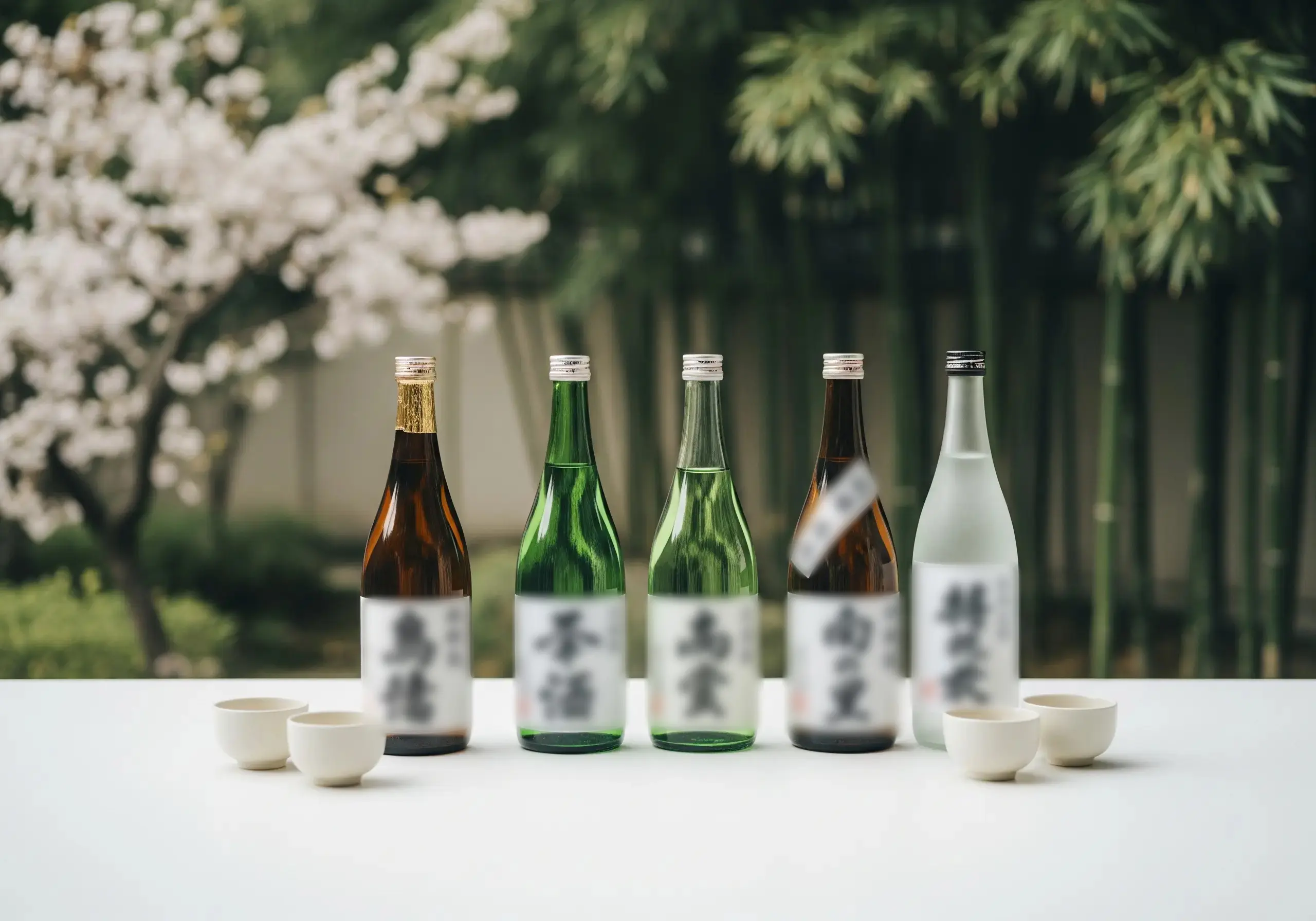
Sake and Beauty: The Science Behind Its Effects on Skin and Body
A scientific guide to sake's beauty-boosting ingredients. Learn about the uses of sake lees and sake baths, plus the effects of excessive drinking on skin.
Sake and Beauty: Scientific Effects and Practical Applications
There’s an old saying that “the hands of the toji are beautiful.”
Toji are the master brewers who craft sake, and legend has it their hands remain youthful and beautiful throughout their careers. The idea is that compounds found in sake and sake lees (kasu) have beneficial effects on the skin. This notion has inspired countless sake-derived cosmetic products.
Let’s examine the relationship between sake and beauty from a scientific perspective.
Beauty Ingredients Found in Sake
Amino Acids
Sake contains over 20 different amino acids.
Amino acids are the main components of the skin’s Natural Moisturizing Factor (NMF). Applying them externally can help enhance the skin’s moisture retention.
Particularly noteworthy are serine, glycine, and alanine. These are widely used as moisturizing ingredients in cosmetics.
Kojic Acid
This compound is produced by koji mold.
It inhibits melanin production and is recognized as an active ingredient in skin-brightening cosmetics. It’s believed to help prevent dark spots and dullness.
Ferulic Acid
A type of polyphenol found in rice.
Research has shown it has antioxidant properties and can help protect skin from UV damage.
Alpha-Glucosylglycerol
A compound generated during sake’s fermentation process.
It has moisturizing properties, and some research suggests it may promote collagen production.
Benefits of Sake Baths
Improved Circulation and Warmth
Bathing in water with sake added helps the body warm up more easily.
The alcohol and organic acids cause blood vessels to dilate, promoting circulation. The warming effect lasts longer after bathing.
Effects on Skin
The amino acids and organic acids in sake help soften the skin’s outer layer.
Many people notice their skin feels more moisturized after bathing. However, those with sensitive skin should be cautious, as the alcohol may cause irritation.
How to Take a Sake Bath
Amount Add 1-2 cups (180-360ml) of sake to the bathwater. Adding too much will make the alcohol irritation too strong.
Temperature Lukewarm water around 38-40°C (100-104°F) is best. Water that’s too hot increases skin irritation.
Duration 15-20 minutes is ideal. Avoid prolonged soaking.
Precautions
- Avoid if you’re sensitive to alcohol
- Keep sake water away from wounds or inflamed areas
- Rinse thoroughly with shower water afterward
- Never take a sake bath after drinking alcohol
Beauty Uses for Sake Lees
Sake Lees Face Packs
Sake lees (kasu) is the solid residue left after pressing sake.
It contains concentrated amino acids, B vitamins, and enzymes, offering potential beauty benefits.
Simple Sake Lees Pack Recipe
- Take an appropriate amount of sake lees and soften it with a small amount of water or lukewarm water
- Apply to your face and leave for 10-15 minutes
- Rinse off with lukewarm water
Precautions
- Always do a patch test before use
- Avoid the eye area
- Limit use to 1-2 times per week
- Avoid if you’re sensitive to alcohol
Eating Sake Lees
You can also incorporate sake lees into your diet.
Dishes like kasu-jiru (sake lees soup), kasu-zuke (vegetables pickled in sake lees), and amazake (sweet sake drink) have been part of Japanese food culture for centuries. Some people consume them for their internal beauty benefits.
Nutritional Content
- Protein
- Dietary fiber
- B vitamins
- Folic acid
- Essential amino acids
Note that sake lees contains alcohol, so either cook it thoroughly or avoid it entirely if you cannot consume alcohol.
Choosing Sake-Based Cosmetics
Products with Sake-Derived Ingredients
Various products are available from both sake breweries and cosmetic companies.
Common Ingredient Labels
- Sake (seishu)
- Sake lees extract
- Rice ferment filtrate
- Kojic acid
- Yeast extract
Selection Tips
Check the Ingredients List Even products labeled “contains sake” may only have trace amounts. Check if sake-derived ingredients appear near the top of the list.
Choose According to Your Skin Type Some people’s skin responds well to sake ingredients, while others may not. Always do a patch test before regular use.
Consider Brewery Products Cosmetics made by established sake breweries often leverage their expertise in sake-making. You can sense their commitment to quality ingredients.
Excessive Drinking Is the Enemy of Beauty
Alcohol’s Negative Effects on Skin
While sake does contain beauty-boosting ingredients, drinking too much has the opposite effect.
Dehydration Alcohol has a diuretic effect. This depletes the body’s water content, leading to dry skin.
Blood Vessel Dilation The facial redness during drinking indicates dilated blood vessels. Chronic drinking can cause vascular damage.
Reduced Sleep Quality Skin repairs itself during sleep. Alcohol decreases sleep quality and hinders skin recovery.
Vitamin Depletion B vitamins are used to metabolize alcohol. This can lead to deficiencies in vitamins essential for skin health.
Beauty-Conscious Drinking Habits
Drink in Moderation Aim for about one go (180ml) per day.
Drink Water Alongside To prevent dehydration, drink water equal to the amount of sake consumed.
Eat While Drinking Don’t drink on an empty stomach. Have food containing protein and vitamins with your sake.
Get Enough Sleep Ensure adequate sleep after drinking. Avoid drinking late into the night.
Beware of “Beauty Benefits” Marketing Claims
It’s true that sake and sake lees contain beauty-enhancing ingredients.
However, be wary of exaggerated claims like “drinking it will make your skin beautiful” or “it will erase dark spots.”
To achieve beauty benefits, you need to use the right methods in appropriate amounts. Moreover, no ingredient can work effectively if you neglect the basics of skincare: moisturizing, sun protection, and adequate sleep.
Summary
Here’s what we’ve learned about sake and beauty:
Beauty Ingredients in Sake
- Amino acids (moisturizing)
- Kojic acid (brightening)
- Ferulic acid (antioxidant)
Recommended Applications
- Sake baths
- Sake lees face packs
- Sake-infused cosmetics
Important Notes
- Excessive drinking is harmful to beauty
- Those with sensitive skin should do patch tests
- Don’t be misled by exaggerated claims
If you want to use sake for beauty purposes, applying it or bathing in it is more effective than drinking it. And above all, moderate alcohol consumption combined with basic skincare practices is the true path to beauty.
For more on health benefits, see Health Benefits of Sake.
For tips on preventing hangovers, check out How to Avoid Hangovers.