Yeast and Fermentation in Sake Making
Discover the fascinating world of sake fermentation. Learn about yeast, parallel multiple fermentation, and the three-stage brewing process that makes sake unique among alcoholic beverages.
The Tiny Craftsman Called Yeast
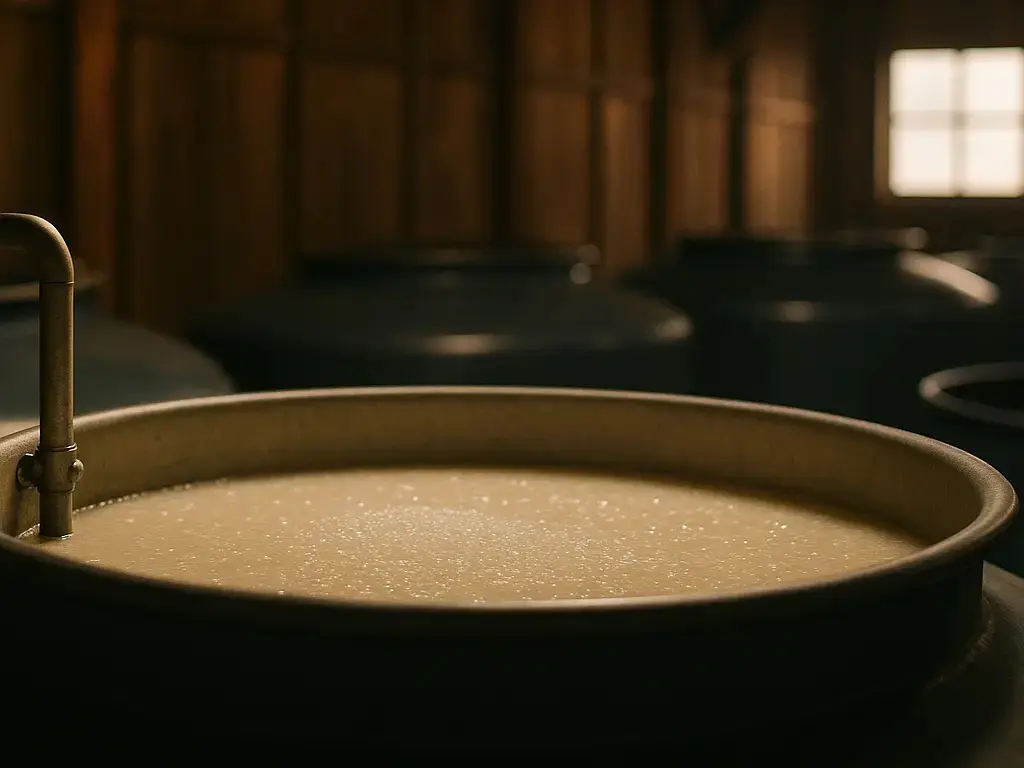
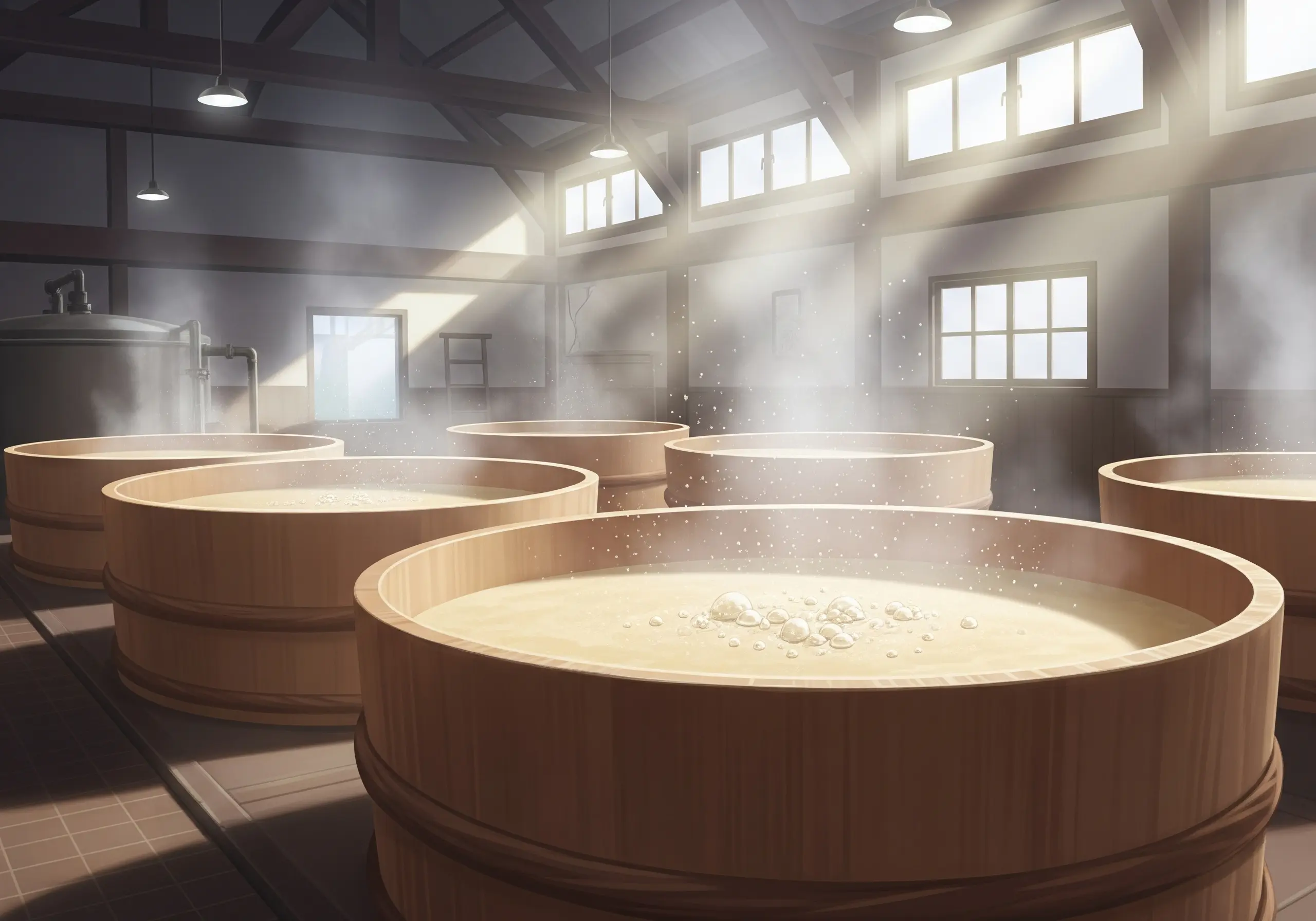
Peer into a fermenting tank and bubbles gurgle up to the surface—proof the yeast is working hard.
Something is happening in that tank. But yeast is invisible. Microscopic creatures, too small to see without a microscope, transforming rice into sake.
Sake making is the art of fermentation. Two tiny craftsmen—koji and yeast—with human assistance, convert clear liquid into alcohol. This article follows that process.
What Yeast Does
Yeast eats sugar and produces alcohol and carbon dioxide.
Sounds simple, but this is the heart of sake making. No sugar, no alcohol. No yeast, no fermentation.
“Seishu yeast” used for sake is different from wine or beer yeast. It has high alcohol tolerance (up to 18-20%), works well at low temperatures, and produces gorgeous aromatic compounds. That fruity character unique to sake? Yeast makes it.
The Magic of Parallel Multiple Fermentation
Sake fermentation has a characteristic rare in the world.
Saccharification and fermentation happen simultaneously.
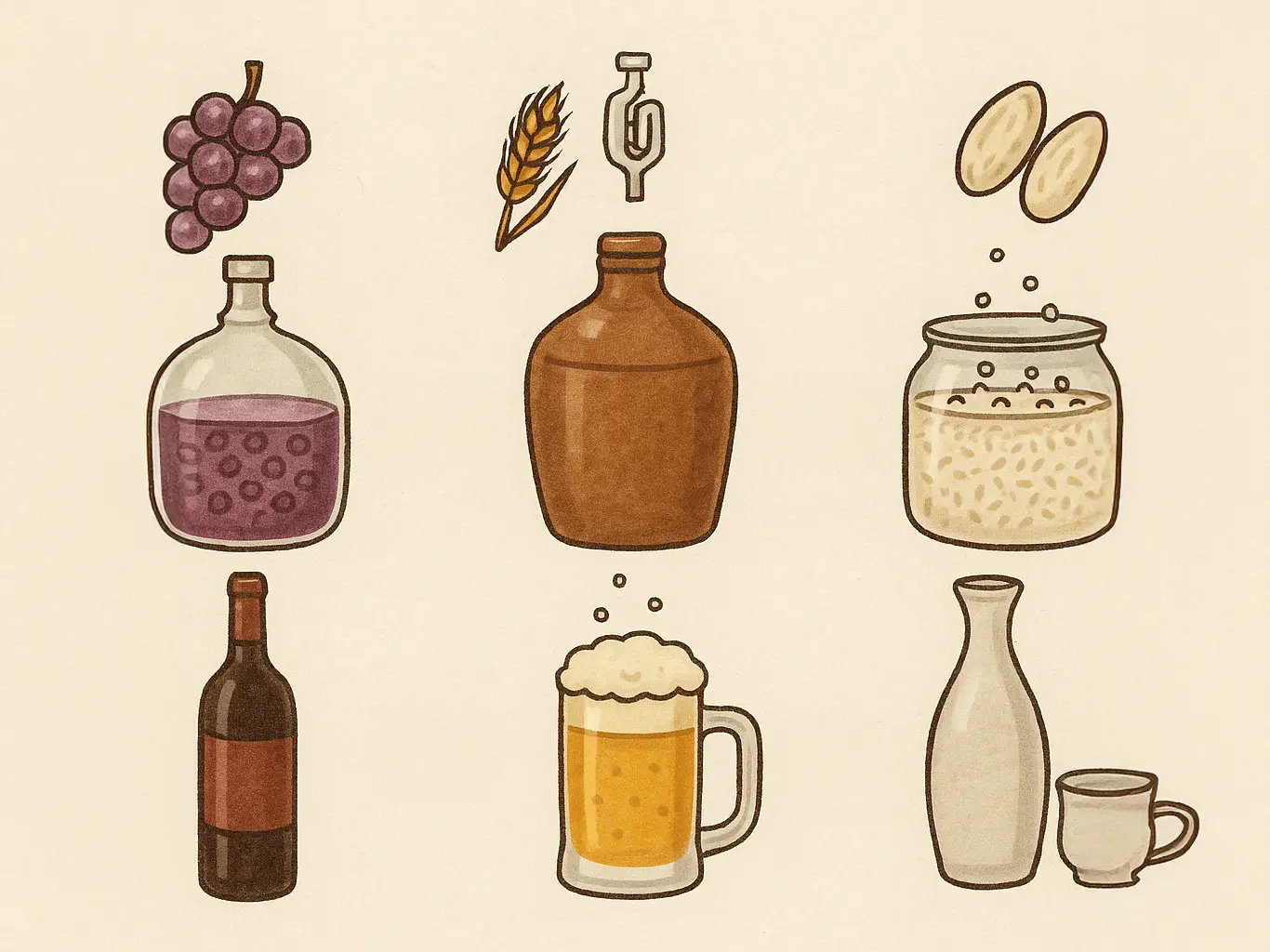
Wine is simple. Grapes already contain sugar. Add yeast and fermentation begins immediately.
Beer is more complex. Malt starch converts to sugar, then fermentation happens separately in another tank. Saccharification and fermentation occur in separate stages.
Sake is different. Koji converts rice starch to sugar, and yeast converts that sugar to alcohol. These two processes happen in the same tank, at the same time.
That’s why it’s called “parallel multiple fermentation.”
Thanks to this method, sake achieves the highest alcohol content among brewed beverages (nearly 20% for genshu). Because new sugar keeps forming before the old sugar runs out, fermentation continues longer.
Why Three-Stage Brewing
The shubo (yeast starter) receives additions of koji, steamed rice, and water to ferment. If you add everything at once, it fails.
Why? The yeast gets too diluted and loses to contaminating bacteria.
So additions happen in three stages. Called “sandan shikomi” (three-stage brewing).
Hatsuzoe (first addition)—The initial brewing. Sets up the yeast’s environment.
Odori (rest)—A full day of rest. Recovery time for yeast to multiply. If yeast doesn’t multiply enough here, the next stage fails.
Nakazoe (second addition)—Second brewing. Fermentation kicks into gear.
Tomezoe (final addition)—Last brewing. Defines the sake’s structure.
This process takes four days. No rushing. Match the yeast’s pace.
Time and Temperature
Fermentation days vary by sake type.
Regular sake takes 18-25 days. Ginjo takes 25-35 days. Daiginjo can take over 40 days.
Lower temperatures mean slower fermentation. Slower fermentation produces more delicate aromas. That’s why daiginjo ferments at low temperatures for extended periods.
Sake made in a hurry tends to taste rough, while sake made slowly has rounded, smoother edges.
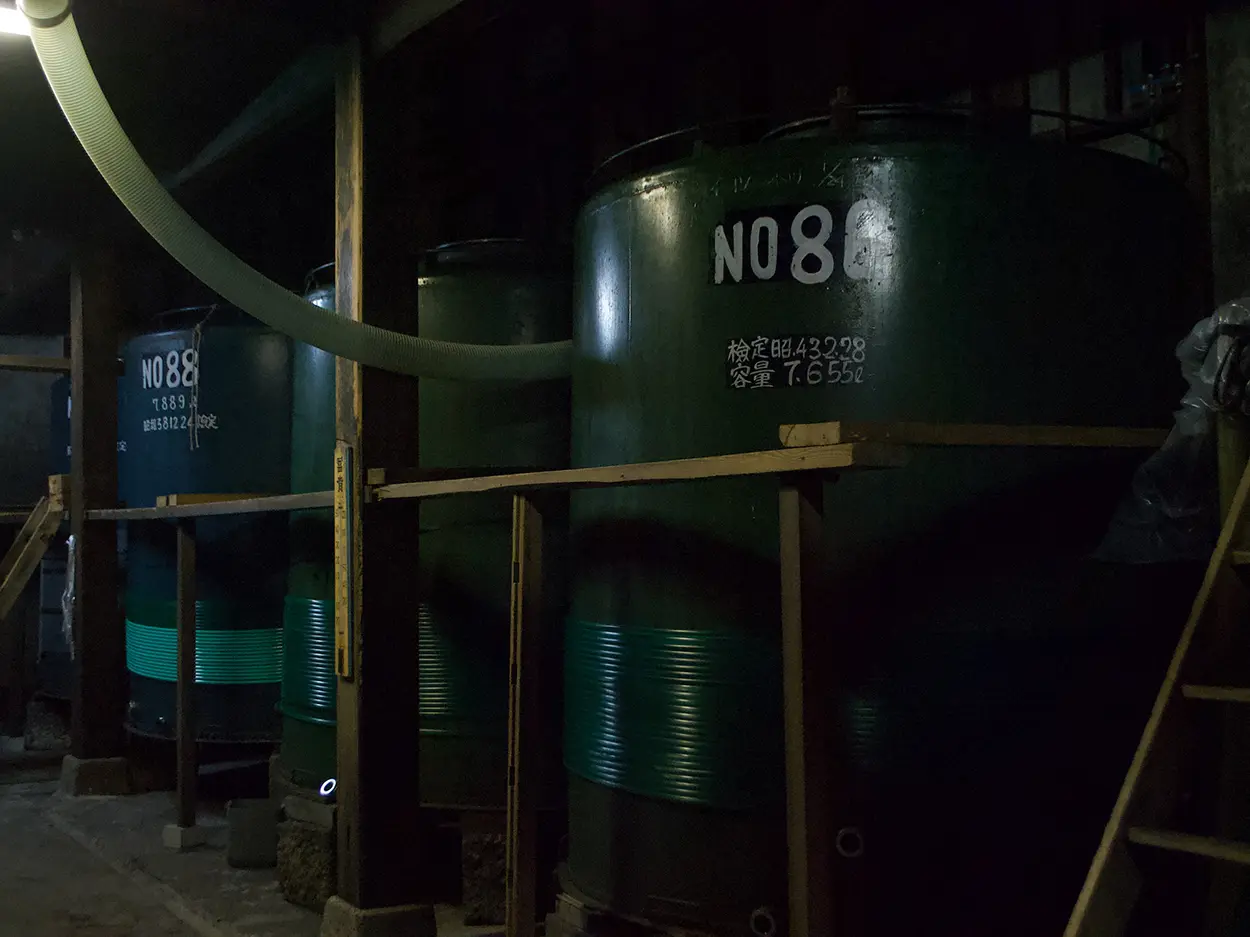
Fermentation temperatures run around 15-18°C for regular sake, 10-13°C for ginjo. Winter kura are cold as refrigerators to maintain these temperatures.
How Yeast Types Change Flavor
The Brewing Society of Japan distributes “kyokai yeast”—identified by numbers.
No. 6 yeast has mild aromas. Isolated from Aramasa brewery in Akita. Suits classic junmai.
No. 7 yeast was isolated from Masumi in Nagano. Good balance of aroma and flavor. The yeast that built the ginjo boom.
No. 9 yeast comes from Kumamoto. Produces banana and melon aromas. Standard for ginjo.
No. 1801 yeast produces apple-like aromas. Made for daiginjo.
Same rice, same water, same toji—different yeast makes different sake. Yeast selection is crucial for defining sake’s character.
The Choice of House Yeast
Some breweries use wild yeast native to their kura instead of kyokai yeast. Called “kurazuki yeast.”
Aramasa revived their original No. 6 strain. Some breweries collect yeast living on their ceilings and pillars to cultivate.
Using house yeast creates flavors only that kura can produce. Like “terroir” in wine.
But wild yeast is tricky to handle. Fermentation can become unstable. Kyokai yeast gives more consistent quality.
Watching Over Fermentation
Toji and kurabito visit the tanks daily. Temperature, bubble conditions, aroma, sugar content, pH. They gather data while monitoring fermentation progress.
Numbers don’t tell everything. How bubbles rise, moromi color, wafting scents. Experienced toji read fermentation status through all five senses.
If the bubbles look tired, the temperature is raised a little; when the aroma begins to open up, it may be almost time to press.
Both science and experience are needed. Data guides, but humans decide.
Joso: Pressing the Sake
When fermentation ends, sake is pressed from the moromi. Called “joso.”
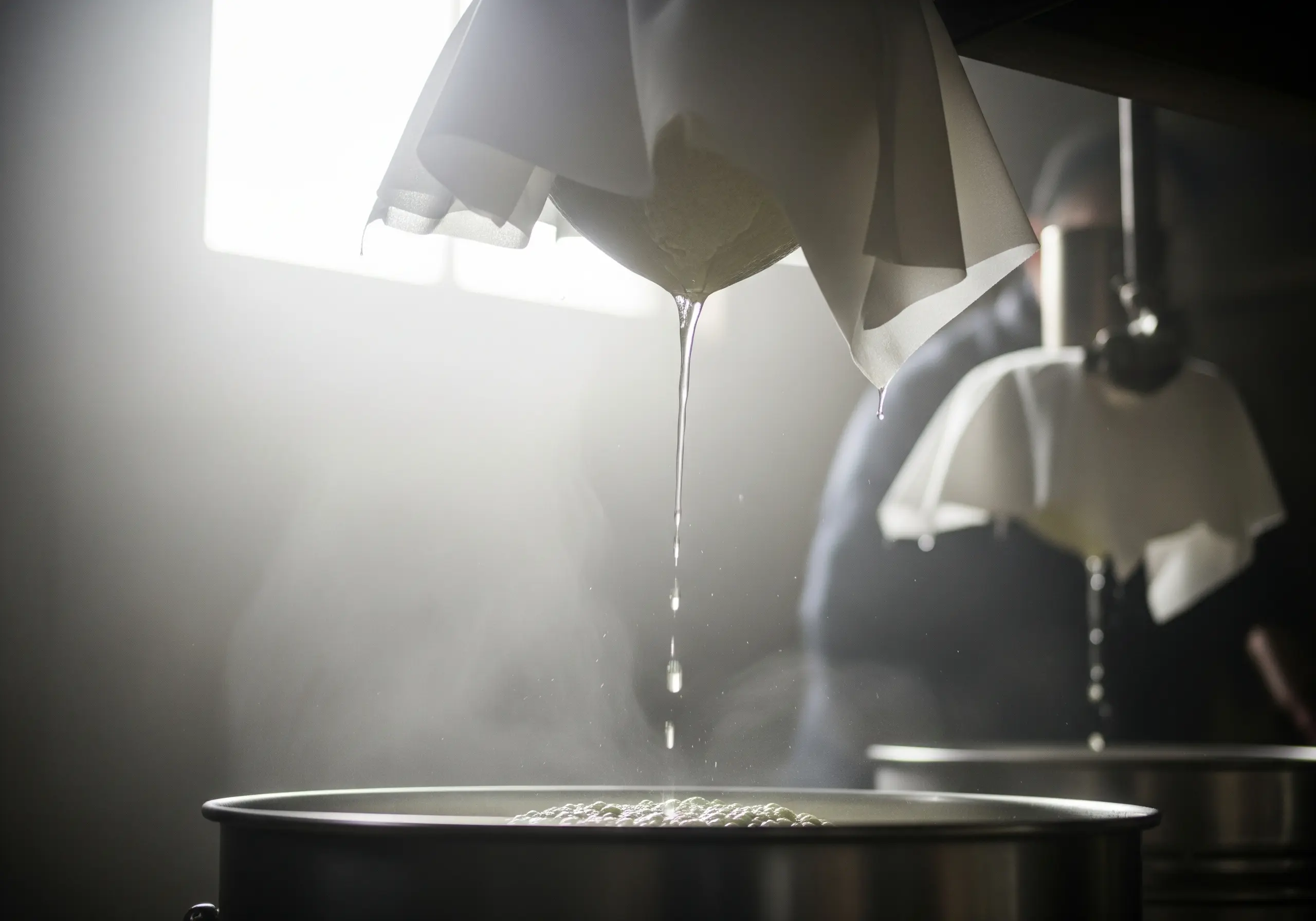
Fukuro-shibori puts moromi in cloth bags and hangs them, collecting sake that naturally drips down. Time-consuming but creates delicate flavors. Used for daiginjo and premium sake.
Yabuta pressing is mechanical. Efficient with consistent quality. Most breweries use this.
Centrifuges are the latest technology. Spinning separates sake from lees. No pressure means fewer off-flavors.
Respect for the Invisible Craftsman
When you drink sake, remember the yeast.
Invisible tiny creatures transform rice into sake. Humans just assist their work. Managing temperature, protecting from contamination, creating conditions where yeast can thrive.
Fermentation can’t be completely controlled. So each year’s sake differs slightly. Same brewery, same brand—flavor varies by year.
That’s what makes sake interesting. Collaboration between nature and humans. The result ends up in your glass.
For more details, see How Sake Is Made.
For more about yeast, check out Yeast Genealogy.