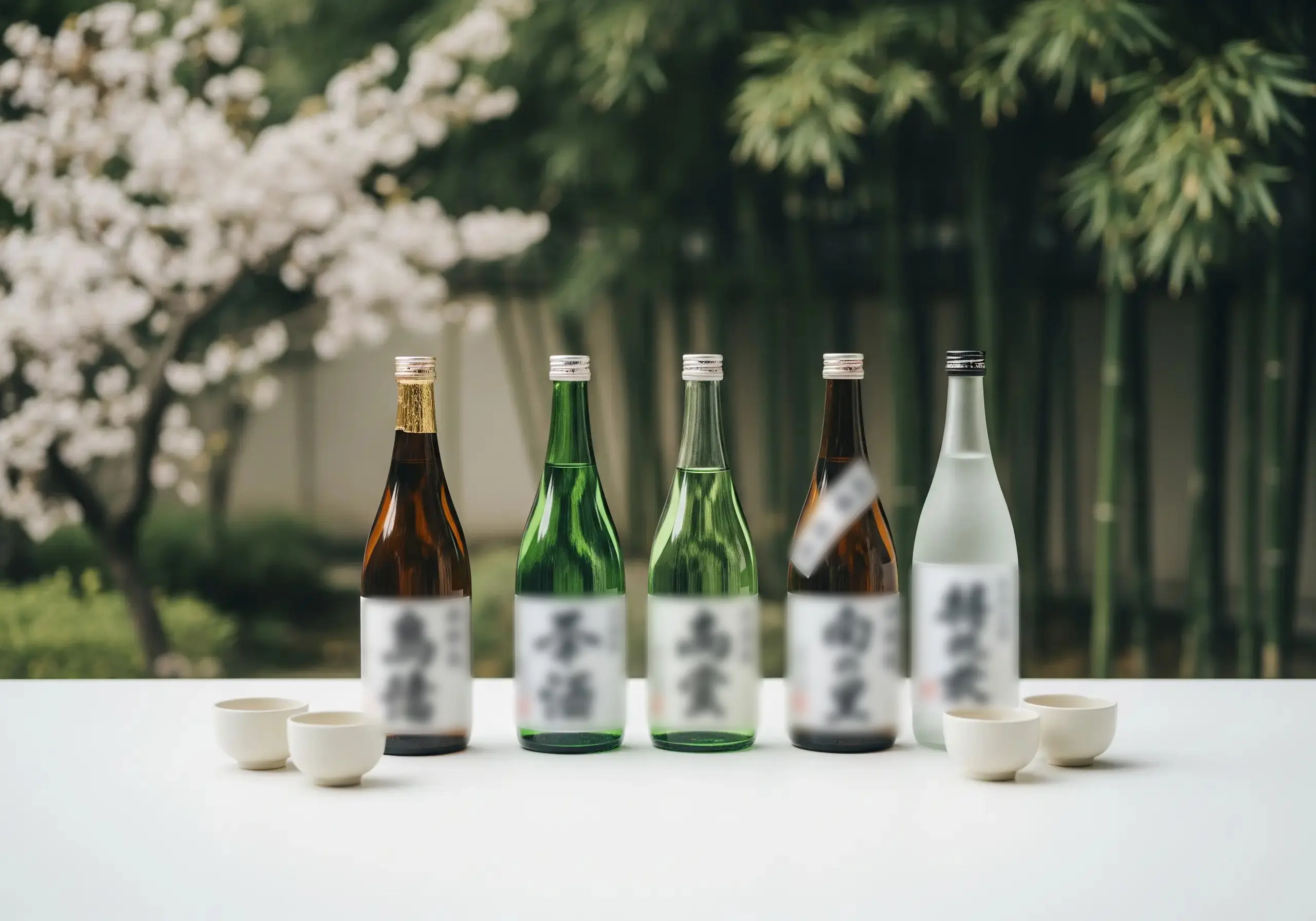
Health Benefits of Sake: Advantages of Moderate Drinking and Important Considerations
A scientific explanation of the components in sake and their effects on health. Learn about the benefits and risks of moderate drinking, and how to enjoy sake healthily.
Sake and Health: A Scientific Look at Benefits and Considerations
There is a saying, “Sake is the best of all medicines.”
But is sake really good for your health? How much should you drink? What happens if you drink too much? Let’s examine sake and health from a scientific perspective.
Note: This article is intended to provide general information. If you have health concerns, please consult your doctor.
Components Found in Sake
Amino Acids
Sake contains more than 20 types of amino acids.
Compared to other alcoholic beverages, sake has a high amino acid content. Junmai-shu and kimoto-style sake are particularly rich in amino acids.
Amino acids are building blocks of the body and also the source of umami. Much of sake’s complex flavor profile derives from these amino acids.
Organic Acids
Sake contains organic acids such as lactic acid, succinic acid, and malic acid.
These give depth to sake’s flavor and are said to aid digestion.
Peptides
Peptides, formed when proteins are broken down, are also present in sake.
Some research suggests that certain peptides may help regulate blood pressure.
Vitamins and Minerals
Sake contains trace amounts of B vitamins and minerals.
However, these are not present in quantities sufficient to expect health benefits.
Benefits of Moderate Drinking
Improved Blood Circulation
Alcohol has the effect of dilating blood vessels.
Moderate drinking promotes blood circulation and warms the body. This effect is particularly noticeable with warmed sake (kanzake).
Relaxation Effect
Moderate amounts of alcohol have a tension-relieving effect.
A drink after work can help relax both body and mind. However, this is a general effect of alcohol, not unique to sake.
Appetite Stimulation
Moderate drinking stimulates the appetite.
Sake is an excellent accompaniment to meals, enhancing the flavors of dishes while making dining more enjoyable.
Social Connection
While slightly different from health effects, moderate drinking can deepen social bonds.
Sharing drinks while conversing may reduce loneliness and contribute to mental well-being.
What Is “Moderate” Drinking?
Ministry of Health Guidelines
Japan’s Ministry of Health, Labour and Welfare recommends about 20g of pure alcohol per day as “moderate and sensible drinking” in their “Health Japan 21” guidelines.
In terms of sake, this is approximately one go (180ml). This is a guideline for sake at 15% alcohol content.
Individual Differences
The appropriate amount varies greatly from person to person.
- People with lower body weight are more easily affected by smaller amounts
- Women tend to metabolize alcohol more slowly than men
- Alcohol metabolism capacity decreases with age
- How intoxicated you become varies with your physical condition
It’s important to listen to your body and find an amount that works for you.
Misconceptions About “Moderate” Drinking
Be cautious about claims that “moderate drinking is good for health.”
Recent research suggests that even small amounts of alcohol pose health risks. The common belief that “moderate drinking is healthy” is not necessarily scientifically established.
Risks of Excessive Drinking
Liver Burden
Alcohol is metabolized in the liver.
Continued excessive drinking increases the risk of fatty liver, alcoholic hepatitis, and cirrhosis.
Dependency
Alcohol is addictive.
If you find yourself feeling restless without drinking, or if your consumption has been increasing, take note. Consult a specialist early.
Lifestyle Diseases
Excessive drinking increases the risk of high blood pressure, diabetes, and heart disease.
Calories should not be ignored either. One go of sake is about 200 kcal. Drinking daily can cause weight gain.
Decreased Sleep Quality
“Nightcaps” actually reduce sleep quality.
While alcohol helps you fall asleep, it makes you more likely to wake up in the latter half of sleep, preventing deep rest.
Tips for Healthy Enjoyment
Drink with Food
Drinking on an empty stomach speeds up alcohol absorption.
Always eat something while drinking. Protein-rich meals help metabolize alcohol.
Drink Water
Drink an equal amount of water alongside your sake (called “yawaragi-mizu” in Japanese).
This alone helps prevent excessive drinking and improves how you feel the next day.
Drink Slowly
Don’t drink quickly; savor it slowly.
You can feel satisfied with smaller amounts, ultimately reducing your total consumption.
Have Alcohol-Free Days
Have at least two days per week without drinking.
Giving your liver a rest can reduce health risks.
Enjoy at Different Temperatures
Warmed sake warms the body and promotes blood circulation.
If you’ve only been drinking cold sake, try warmed sake - you may find satisfaction with smaller amounts.
When You Should Not Drink
People Who Absolutely Should Not Drink
- Pregnant or breastfeeding women
- Minors
- Anyone who will be driving
- Anyone instructed by a doctor to abstain
- Anyone recovering from alcohol dependency
People Who Should Consult a Doctor
- Those with liver conditions
- Those with diabetes
- Those with high blood pressure
- Those taking medications (possible drug interactions)
- Those with digestive system problems
If you have any concerns, please consult your doctor before drinking.
Beware of “Health Food” Marketing for Sake
You may encounter claims that “the XX component in sake is good for health.”
While sake does contain various components, scientific evidence for health benefits is limited. Moreover, consuming alcohol to obtain these components may carry more risks than benefits.
Sake should be enjoyed as a pleasure, not drunk with expectations of health benefits.
Summary
The key points for enjoying sake healthily are simple:
- Observe moderation (aim for about one go per day)
- Drink slowly with meals
- Drink water alongside
- Have alcohol-free days
- Be prepared to choose not to drink based on your condition or circumstances
“Sake may be the best of all medicines,” but “too much of anything is bad.”
Listen to your body and enjoy without overdoing it. That is the secret to a long and happy relationship with sake.
For information on beauty effects, see Sake and Beauty.
Tips for preventing hangovers are explained in detail in How to Drink Without Getting a Hangover.