Sake Rice Varieties: Yamada Nishiki, Gohyakumangoku, Omachi
Explore the world of sake brewing rice (sakamai). Learn about Yamada Nishiki, Gohyakumangoku, Omachi and other premium varieties, and how each shapes sake's flavor.
The World of Sake Rice: How Variety Shapes Flavor
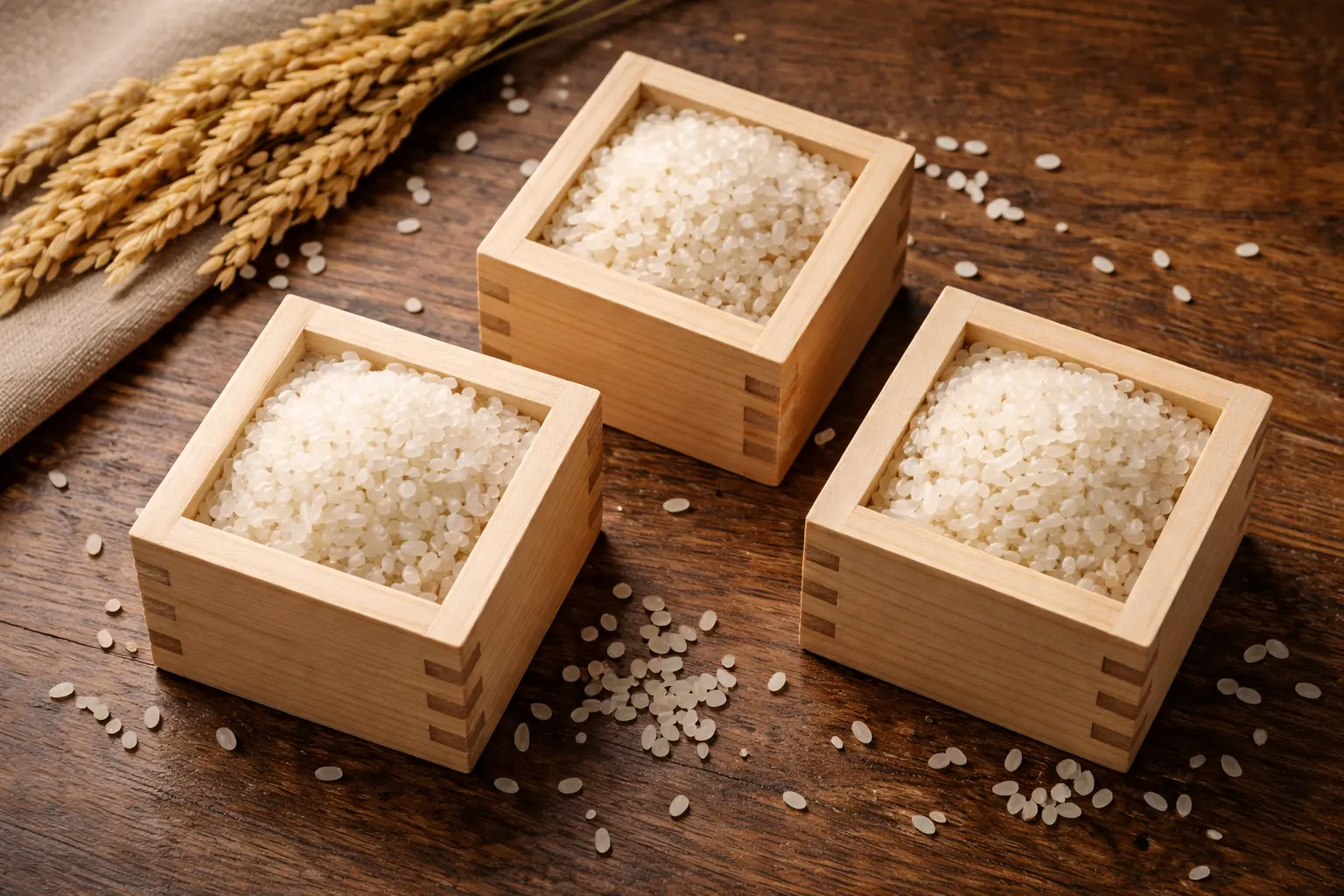
Sake is made from rice—everyone knows that. But few realize this rice isn’t Koshihikari or other table rice. It’s a completely different category called “sakamai” (sake-brewing rice), specially bred for the job.
Same brewery, same technique, different rice—different sake. Understanding sake rice adds a new dimension to choosing your next bottle.
Sake Rice vs. Table Rice
Eating Rice, Brewing Rice
The rice we eat daily and rice used for sake brewing have completely different requirements.
Table rice should be sticky and chewy when cooked. Moderate protein content with balanced sweetness and umami makes a good eating rice.
Sake rice needs almost opposite qualities.
What Makes Good Sake Rice
Large Grains Sake rice has bigger grains than table rice. Larger grains polish more easily, leaving more of the starchy core intact.
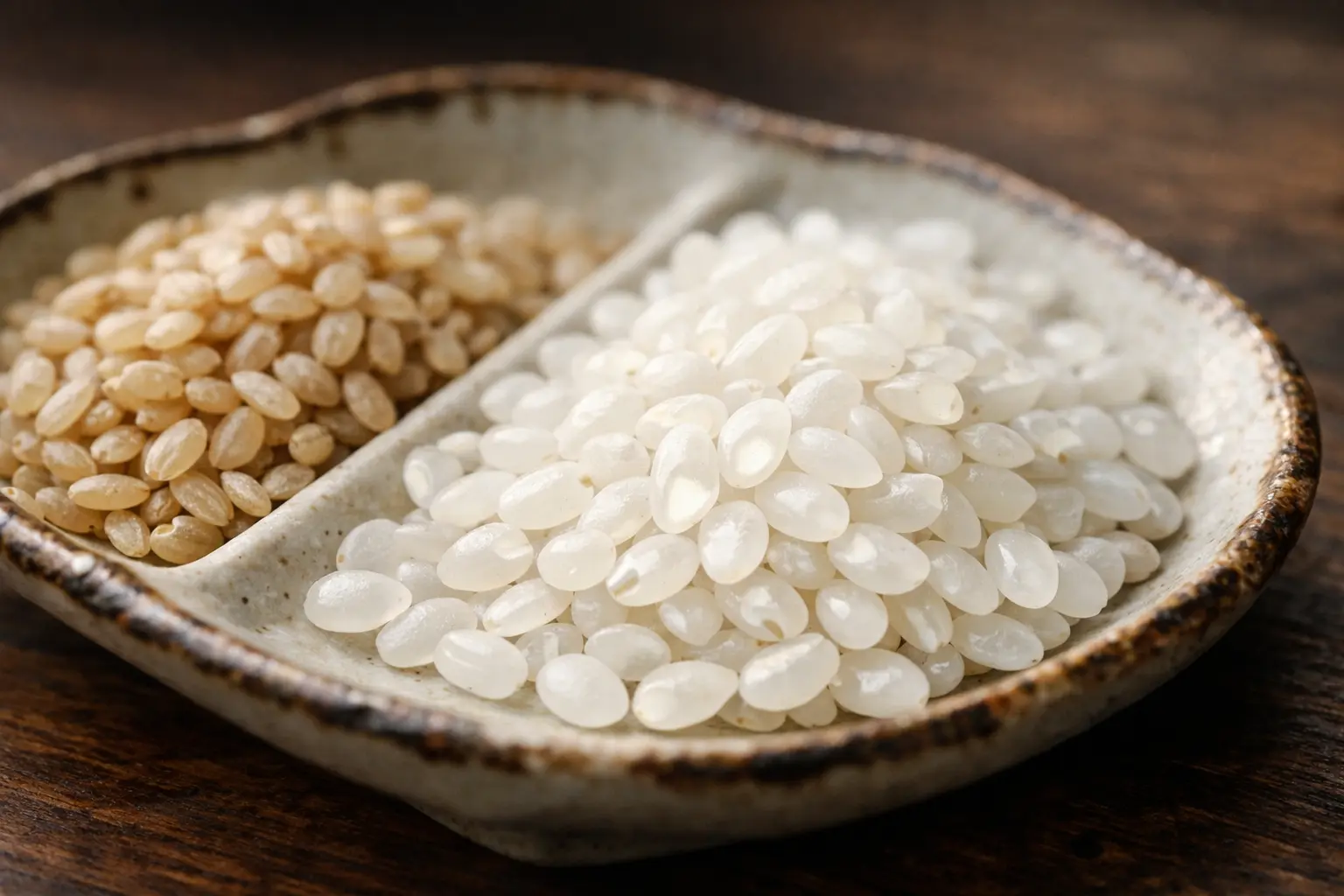
Shinpaku (White Core) Sake rice has a distinctive opaque white center called “shinpaku.” This is where starch concentrates, creating a structure that koji mold can easily penetrate.
Low Protein Protein causes off-flavors, so less is better for sake rice.
Good Water Absorption Uniform water absorption during steaming leads to better koji development.
To meet these requirements, sake rice has been bred separately from table rice for generations.
Major Sake Rice Varieties
Yamada Nishiki | The King of Sake Rice
Grown primarily in Hyogo Prefecture, Yamada Nishiki is called the “King of Sake Rice”—the most prestigious variety.
Characteristics
- Large shinpaku that doesn’t crack during polishing
- Excellent water absorption, ideal for koji making
- Large grains that withstand high polishing
Flavor Profile Sake from Yamada Nishiki typically shows elegant aromatics and rich umami. That most gold medal winners at competitions use Yamada Nishiki speaks to its quality.
Common Uses Daiginjo, Junmai Daiginjo, and other premium sake.
However, it’s difficult to cultivate and expensive. The plants grow tall and topple easily, with vulnerability to disease. Still, breweries chasing excellence can’t do without it.
Gohyakumangoku | Champion of Light and Dry
Cultivated mainly in Niigata and the Hokuriku region, Gohyakumangoku is actually Japan’s most-planted sake rice, surpassing Yamada Nishiki in volume.
Characteristics
- Develops shinpaku readily
- Earlier harvest than Yamada Nishiki
- Can grow in cold climates
- Polishing limit around 50% (cracks beyond that)
Flavor Profile Produces light, crisp sake—the classic “tanrei karakuchi” (light and dry) style. Niigata’s reputation for this style owes much to Gohyakumangoku.
Common Uses Honjozo, Junmai, Ginjo—versatile and food-friendly.
Omachi | Wild Character
Born in Okayama Prefecture, Omachi is one of the oldest surviving sake rice varieties—an ancestor of both Yamada Nishiki and Gohyakumangoku.
Characteristics
- Very large shinpaku
- Big grains with distinctive power
- Extremely difficult to cultivate (tall, prone to lodging)
- Limited production, rare
Flavor Profile Full-bodied with wild, complex umami. “Omachi character” has dedicated fans—enthusiasts called “Omachists” seek it out specifically.
Common Uses Junmai, Yamahai, Kimoto—sake with substantial structure.
Miyama Nishiki | Cold Climate Star
Developed in Nagano Prefecture, Miyama Nishiki spread nationwide as sake rice that thrives in cold regions.
Characteristics
- High cold tolerance
- Relatively easy to grow
- Good polishing durability
Flavor Profile Clean taste with delicate acidity. Similar to Gohyakumangoku’s lightness but softer overall.
Common Uses Ginjo, Junmai Ginjo. Common in Tohoku and Shin’etsu region breweries.
Aiyama | Sweetness Treasure
Born in Hyogo, Aiyama was long used only by specific breweries. Recently, its unique character has gained attention.
Characteristics
- Lineage from both Yamada Nishiki and Omachi
- Large shinpaku, dissolves easily
- Very difficult to cultivate
Flavor Profile Rich sweetness with juicy umami. Fruity yet structured.
Common Uses Junmai, Junmai Ginjo. Often irresistible for those who love sweeter sake.
Choosing and Enjoying Sake by Rice
Check the Label
Sake labels often list the rice variety used.
“100% Yamada Nishiki” or “Hyogo Prefecture Yamada Nishiki” tells you what character to expect.
Same Brewery Comparison
To truly experience rice differences, compare sake from the same brewery using different varieties.
Same method, Yamada Nishiki versus Gohyakumangoku—the aroma and flavor differences become clear. Understanding this expands sake enjoyment dramatically.
Regional Connections
Sake rice has ideal growing regions:
- Yamada Nishiki → Hyogo (especially the Special-A districts around Miki and Kato cities)
- Gohyakumangoku → Niigata, Toyama, Fukui (Hokuriku)
- Omachi → Okayama
- Miyama Nishiki → Nagano, Akita (Tohoku/Shin’etsu)
Same variety, different origin—subtle quality differences emerge. “Hyogo Yamada Nishiki” versus other regions’ Yamada Nishiki can taste noticeably different.
Modern Sake Rice Developments
New Varieties Emerging
Recently, prefectures have developed new sake rice varieties:
- Dewa Sansan (Yamagata): Bred for local climate
- Koshi Tanrei (Niigata): Cross between Gohyakumangoku and Yamada Nishiki
- Ginpu (Hokkaido): Hokkaido’s first dedicated sake rice
The desire to make local sake from local rice drives diversity across Japan.
Table Rice Sake
Some breweries deliberately use table rice like Koshihikari or Akitakomachi. The resulting sake differs from sakamai-based sake—often with more forward rice sweetness.
“Not sake rice, so inferior” misses the point. Each offers its own character—that’s sake’s depth.
Summary
Sake rice is a crucial factor in determining sake’s flavor.
Yamada Nishiki’s elegance, Gohyakumangoku’s crispness, Omachi’s power—different varieties make the same brewery’s sake show completely different faces.
Next time you choose sake, notice the rice variety on the label. Understanding “this tastes like Yamada Nishiki” or “so this is Omachi character” makes the sake world even more fascinating.
Want to learn more about sake production? See How Sake is Made or What is Koji.