Types of Shubo: A Complete Guide to Kimoto, Yamahai, and Sokujo
The mother of sake: shubo (yeast starter). Learn the differences between sokujo, kimoto, and yamahai methods, and how they influence sake's flavor.
Types of Shubo: Understanding Yeast Starters
“Kimoto brewing.” “Yamahai preparation.”
These terms appear frequently on sake labels. Do you know what they mean?
These terms indicate different methods of making “shubo” (yeast starter). The shubo method significantly influences sake’s flavor. Let’s explore this world in depth.
What Is Shubo?
The Role of Shubo
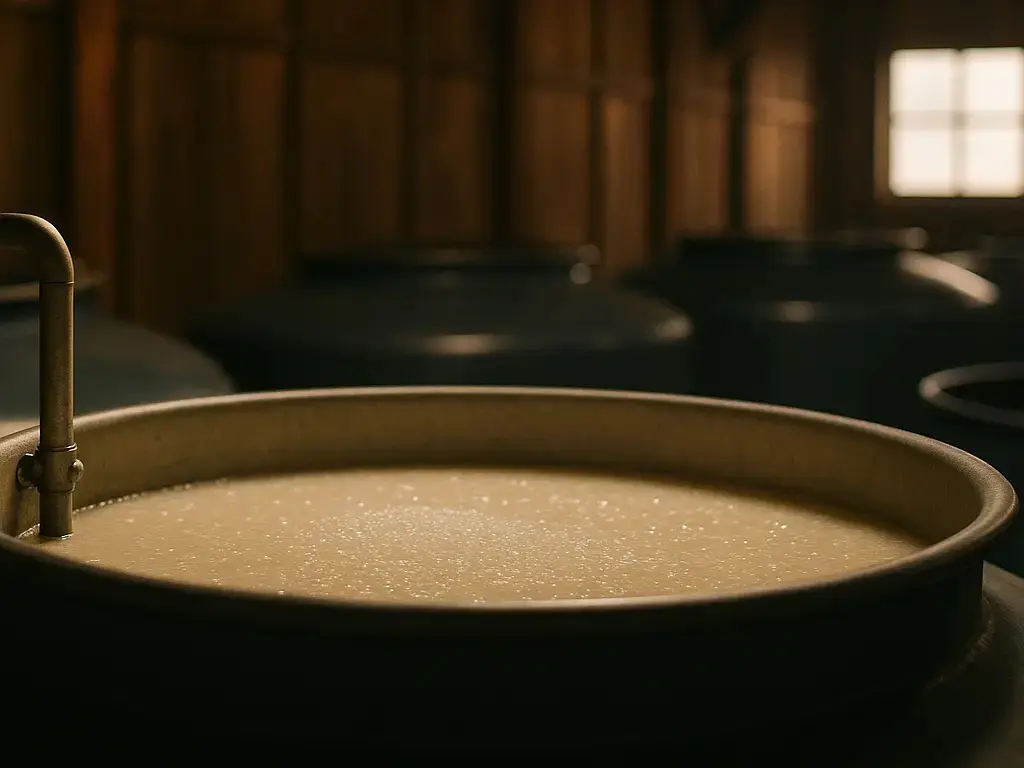
Shubo literally means “mother of sake.” It’s a fermentation starter containing large quantities of cultivated yeast.
Purpose of Shubo
- Cultivate healthy yeast in large numbers
- Prevent contamination by unwanted microorganisms
- Prepare for the main fermentation
Components
- Steamed rice
- Koji
- Water
- Yeast
Why Is Shubo Necessary?
Sake fermentation is a delicate process. If contaminating bacteria enter, the sake spoils (fuzo).
The Shubo Strategy
- First multiply yeast in a small tank
- Create an environment where yeast dominates
- Then proceed to main fermentation in larger tanks
With sufficient yeast, contaminating bacteria can’t compete. This is the fundamental principle behind shubo.
Types of Shubo
Sokujo-Moto (Quick-Start Method)
Over 90% of modern sake uses the sokujo method.
History
- Developed in 1910 (Meiji 43)
- Created by Kamejiro Eda at the National Brewing Research Institute
- As “sokujo” (quick-start) suggests, completes rapidly
Process
- Mix steamed rice, koji, and water
- Add lactic acid
- Add yeast
- Complete in about 2 weeks
Characteristics
- Added lactic acid quickly creates an acidic environment
- Rapidly suppresses unwanted bacteria
- Consistent quality
- Short completion time (about 2 weeks)
Flavor Tendencies
- Clean and crisp
- Minimal off-flavors
- Modern sake profile
Kimoto (Traditional Method)
A traditional yeast starter method dating back to the Edo period.
History
- Established in mid-Edo period
- Once the mainstream method
- Now less than 1% of production
Process
- Mix steamed rice, koji, and water
- Yama-oroshi: Grind with poles
- Natural lactic acid bacteria produce lactic acid
- Acidic environment forms naturally
- Add yeast (or let it occur naturally)
- Complete in about 1 month
What Is Yama-oroshi?
- The labor of grinding steamed rice and koji
- Makes rice easier to dissolve
- Promotes lactic acid bacteria activity
- Hard labor, sometimes performed through the night
Characteristics
- Utilizes natural lactic acid bacteria
- Time-intensive (about 4 weeks)
- Requires skill and effort
- Harnesses natural forces
Flavor Tendencies
- Complex, profound flavors
- Mellow acidity from lactic acid
- Rich umami and body
- Excellent for warm sake
Yamahai-Moto (Mountain-Abolition Method)
Short for “yama-oroshi haishi moto” (yeast starter with yama-oroshi abolished). An evolution of kimoto.
History
- Developed in 1909 (Meiji 42)
- Researched at the National Brewing Research Institute
- Discovered that yama-oroshi wasn’t necessary
Process
- Mix steamed rice, koji, and water
- Skip yama-oroshi
- Natural lactic acid bacteria produce lactic acid
- Add yeast (or let it occur naturally)
- Complete in about 3-4 weeks
Why Isn’t Yama-oroshi Needed?
- Koji enzymes dissolve the rice
- Proper temperature management allows lactic acid bacteria to work
- Achieves the same effect as yama-oroshi
Characteristics
- Less labor than kimoto
- Utilizes natural lactic acid bacteria
- Time-consuming but reduced effort
Flavor Tendencies
- Similar complexity to kimoto
- Rich umami and body
- Somewhat wild character
- Pairs well with warm sake
Comparing the Three Methods
Production Time
| Shubo Type | Duration |
|---|---|
| Sokujo | About 2 weeks |
| Yamahai | About 3-4 weeks |
| Kimoto | About 4 weeks |
Source of Lactic Acid
| Shubo Type | Lactic Acid Source |
|---|---|
| Sokujo | Added (brewing lactic acid) |
| Yamahai | Natural (produced by lactic acid bacteria) |
| Kimoto | Natural (produced by lactic acid bacteria) |
Flavor Characteristics
| Shubo Type | Flavor Profile |
|---|---|
| Sokujo | Clean, crisp, light |
| Yamahai | Rich, complex, robust |
| Kimoto | Deep, mellow, full-bodied |
How Shubo Affects Flavor
Why Does Flavor Change?
In Sokujo
- Only pure-cultured yeast is active
- Simple fermentation process
- Results in clean flavors
In Kimoto and Yamahai
- Various microorganisms participate
- Lactic acid bacteria, wild yeasts also active
- Complex flavors emerge
Amino Acids and Umami
Kimoto and yamahai tend to have higher amino acid content.
Reason
- Lactic acid bacteria break down proteins
- Amino acids are generated
- Contributes to umami and body
Differences in Acidity
Sokujo
- Lactic acid is added, but acidity is mild
- Creates a crisp impression
Kimoto and Yamahai
- Lactic acid from natural bacteria
- Mellow, complex acidity
- Sometimes yogurt-like nuances
Modern Kimoto and Yamahai
The Revival Movement
Kimoto brewing, once nearly extinct, has been experiencing a revival in recent years.
Background
- Demand for distinctive sake
- Return to traditional methods
- Rising interest in natural approaches
Modern Approaches
Building on tradition with contemporary techniques.
Hybrid Approaches
- Optimizing temperature control with data
- Thorough hygiene management
- Using pure-cultured yeast
- Natural lactic acid fermentation
Representative Kimoto and Yamahai Sake
Kimoto
- Daishichi (Fukushima): Dedicated to kimoto
- Aramasa (Akita): Modern kimoto
- Taketsuzu (Hiroshima): Master of junmai kimoto
Yamahai
- Tengumai (Ishikawa): Synonymous with yamahai
- Kikuhime (Ishikawa): Rich yamahai
- Shinkame (Saitama): A warm sake classic
Choosing Based on Shubo Type
Recommendations by Occasion
For Clean, Refreshing Drinking -> Sokujo
- Served chilled
- With delicate dishes
- In hot weather
For Contemplative Sipping -> Kimoto/Yamahai
- Served warm
- With rich dishes
- In cold weather
Food Pairing
Sokujo Sake
- Sashimi, sushi
- Light white fish
- Delicate Japanese cuisine
Kimoto/Yamahai Sake
- Simmered dishes, grilled items
- Rich, oily fish
- Meat dishes
- Cheese
Temperature Pairing
Sokujo
- Chilled to room temperature recommended
- Can be warmed, but characteristics may not shine
Kimoto/Yamahai
- Room temperature to warm recommended
- Especially shines at lukewarm to hot
- Can taste tight when chilled
Choosing Sake with Shubo in Mind
Reading the Label
Shubo type is often indicated on labels.
Examples
- “Kimoto-zukuri” “Kimoto-jikomi”
- “Yamahai-jikomi” “Yamahai Junmai”
- If not indicated, usually sokujo
Comparative Tasting
Comparing different shubo types from the same brewery reveals clear differences.
Recommended Comparisons
- Daishichi: Junmai Kimoto vs. Junmai Ginjo (sokujo)
- Tengumai: Yamahai Junmai vs. Junmai Ginjo
Progressive Exploration
Beginners
- Start with easy-drinking sokujo
- When interested in kimoto/yamahai, try them warm
Intermediate
- Compare different shubo types from the same brewery
- Distinguish between kimoto and yamahai
Advanced
- Explore kimoto using indigenous yeasts
- Enjoy aged kimoto and yamahai
Conclusion
Shubo is a crucial step that establishes the foundation of sake’s flavor.
- Sokujo: Modern, clean taste
- Kimoto: Traditional, complex depth
- Yamahai: Similar richness and umami to kimoto
None is inherently better or worse. Each has its own character and appeal.
When you see “Kimoto” or “Yamahai” on a label, try it warmed. You’ll discover another face of sake—complex and profound.
For more on yeast, see The Genealogy of Sake Yeast.
For the sake brewing process, see How Sake Is Made.