What is Craft Sake: Where Tradition Meets Innovation
Understanding craft sake—its definition, how it differs from traditional sake, and the background behind this movement. Explore the new wave of sake that honors tradition while pursuing innovation.
What is Craft Sake?
Have you heard the term “craft sake”?
Just like craft beer, a new wave is sweeping through the sake world.
Respecting tradition while embracing free-thinking innovation.
Here we explore what craft sake is and how to enjoy it.
Defining Craft Sake
No Official Definition
Actually, there’s no official definition of “craft sake.”
The same is true for craft beer—what makes something “craft” remains ambiguous.
However, several common characteristics emerge.
Craft Sake Characteristics
Small-Scale Production Not mass production, but small batches made with care.
Brewer’s Personality Independent vision, not following manuals.
Experimental Approach Trying things that break from traditional methods.
Regional Focus Utilizing local rice, water, and terroir.
Transparency Openly sharing production processes and ingredients.
Difference from Traditional Sake
Craft sake fits within the larger category of “sake.”
Traditional Sake
- Established methods
- Consistent quality
- Classic flavors
Craft Sake
- Free-thinking approach
- May change year to year
- Distinctive character
Neither is superior to the other.
Think of it as more options for enjoyment.
Why Craft Sake Emerged
Declining Sake Consumption
Domestic sake consumption in Japan has fallen to less than one-third of its peak.
Younger generations moving away from sake and changing drinking habits are behind this.
Reaching New Audiences
New approaches were needed to reach people unfamiliar with traditional sake:
- Sake enjoyable like wine
- Casual, approachable sake
- Sake with compelling stories
Rise of Young Brewers
More young people are inheriting family breweries or entering from other industries.
They respect tradition but aren’t bound by conventional thinking.
International Market Influence
Overseas, sake is recognized as “SAKE.”
Being compared with wine and other beverages created the need to differentiate.
Diverse Approaches in Craft Sake
Ingredient Innovation
Non-Sake Rice Brewing with table rice. Pursuing different flavors than sake rice.
Ancient and Heritage Varieties Reviving red rice, black rice, and old regional varieties.
Organic and Natural Farming Sake from rice grown without pesticides.
In-House Rice Cultivation Controlling everything from planting to brewing.
Production Innovation
Wooden Barrel Brewing Reviving once-standard wooden barrels. Pursuing unique flavors.
Wild Yeast Capturing airborne yeasts. Unpredictable results.
Low-Temperature Long Fermentation Taking more time at lower temperatures than usual.
Unfiltered and Undiluted Delivering sake as it comes from the press.
Style Diversification
Doburoku Style Coarsely filtered or unfiltered cloudy sake.
Kijoshu Using sake instead of water in brewing. Rich and sweet.
Aged Sake Experiments Long-term aging like wine.
Low Alcohol Easy-drinking sake around 8-10%.
New Expression
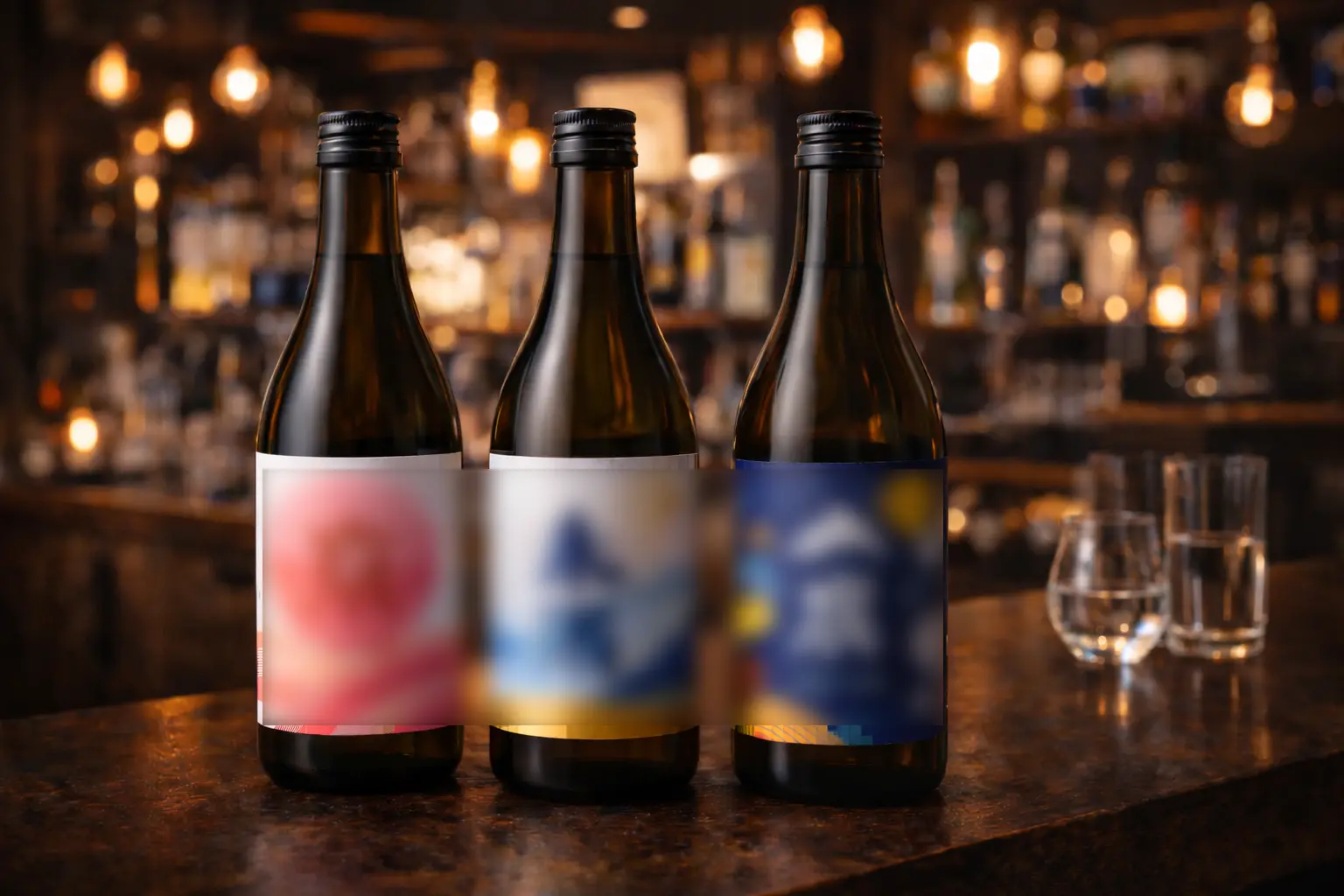
Label Design Modern designs breaking from traditional Japanese aesthetics.
Naming Playful, memorable names.
Storytelling Actively sharing the brewer’s vision and background.
Craft Sake Outside Japan
Brewing Beyond Japan
Sake is now made in America, Australia, France, and elsewhere.
Characteristics
- Using local water and rice
- Flavors suited to local cuisine
- Freedom from Japan’s legal definition of “sake”
International Craft Sake Features
Local Food Pairing Creating flavors that match regional cuisines.
New Drinking Styles Wine glass service, cocktail applications.
Expanding the Sake Concept Creating a new “SAKE” category.
How to Enjoy Craft Sake
Selection Tips
Learn the Brewer’s Story Why did they make this sake? Understanding the background deepens appreciation.
Focus on Small Breweries Find unique sake large producers can’t make.
Seek Limited and Seasonal Releases Enjoy once-in-a-lifetime encounters.
Consult Specialists Find shops with knowledgeable staff about craft sake.
Drinking Suggestions
Use Wine Glasses Aromatic craft sake benefits from wine glasses.
Try Different Temperatures The same sake changes expression with temperature.
Experiment with Pairings Try Western food, ethnic cuisines, even desserts.
Consider the Brewer’s Intent Think about what vision went into making it.
Where to Find It
Specialty Shops Sake shops specializing in craft offerings. Often with tastings.
Sake Bars Try multiple varieties in small amounts.
Brewery Direct Sales Buy while hearing stories from the makers.
Events and Tastings Meet many craft sakes at once.
Online Shops Access sake from small regional breweries.
Challenges Facing Craft Sake
Price
Small-scale production inevitably raises costs.
Some are priced beyond everyday drinking.
Availability
Limited production means quick sellouts.
Popular labels can become competitive to acquire.
Quality Variation
Experimental methods sometimes fail.
The same label can taste dramatically different year to year.
Definition Ambiguity
No clear standard for what counts as craft sake.
Criticism exists of the term being used as marketing.
Balancing Tradition and Innovation
Not a Rejection of Tradition
Craft sake doesn’t reject traditional sake.
Rather, development is possible because tradition exists.
Learning from Tradition
- Wisdom and techniques of predecessors
- Methods refined over generations
- The essence of sake
What Innovation Adds
- Fresh perspectives
- Modern technology
- Diverse values
Enjoy Both
Neither “traditional sake” nor “craft sake” is right or wrong.
Choose based on mood, occasion, and food.
More options enrich the sake world.
How to Identify Craft Sake
Without official definitions, here are hints for finding craft-style sake:
Read the Label
- Small brewery name
- Brewer’s name or philosophy
- Unique production method descriptions
- Distinctive design
Check the Specs
- Unusual rice varieties
- In-house grown rice
- Wooden barrel brewing
- Wild yeast
- Unfiltered/undiluted
Price Range Often somewhat higher (around $20+ for 720ml) due to the effort involved.
Distribution More likely found at specialty shops or online than major retailers.
Summary
Craft sake represents new possibilities for sake.
What is Craft Sake
- Small-scale, handcrafted
- Brewer’s personality
- Experimental approach
- Fusion of tradition and innovation
How to Enjoy It
- Learn the stories
- Explore specialty shops
- Drink with an open mind
Remember There’s no right answer. Find what you love.
The sake world holds both tradition and innovation together.
Enjoy both as you discover your own sake journey.
Interested in sake cocktails? Check out Sake Cocktails.