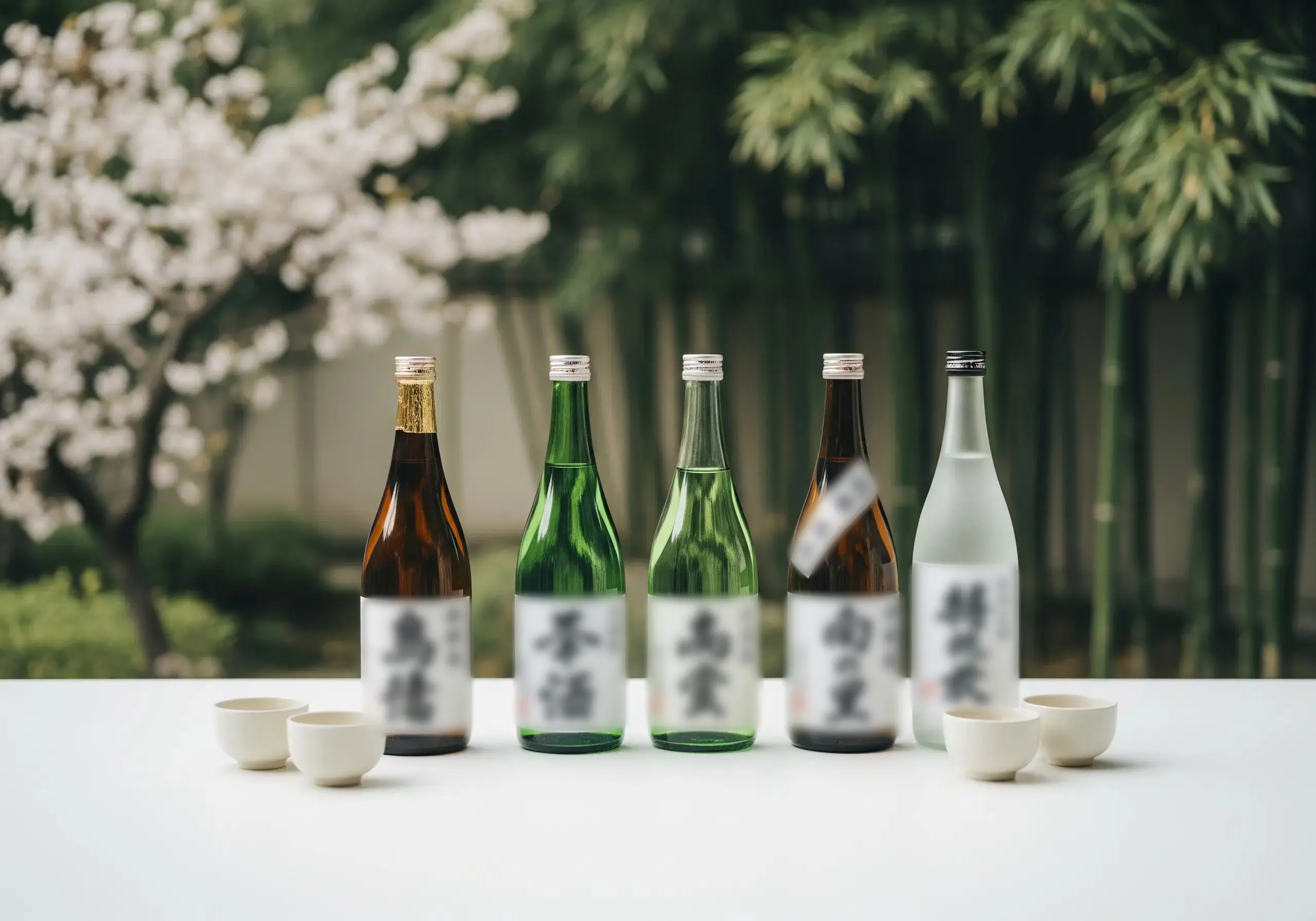
Global Popularity of Sake: Export Trends and Market Insights
Explore the current state and trends of sake exports worldwide. Discover popular regions, preferred styles, the background of export growth, and future outlook.
Global Popularity of Sake
Sake exports continue to grow.
Once consumed primarily within Japan, sake has now become a beverage enjoyed around the world. Let’s explore the current state of sake’s popularity overseas and the factors behind it.
Current State of Exports
Export Value Trends
Sake export values have been steadily increasing.
Growth in the 2010s From 2010 to 2020, export values roughly tripled. The Japanese cuisine boom and increasing inbound tourism provided tailwinds.
Surge in the 2020s After a temporary dip during the COVID-19 pandemic, exports resumed expansion. 2022 marked a record high.
Major Export Destinations
Sake exports are centered on Asia and North America.
Top Export Countries/Regions
- China (including Hong Kong)
- United States
- South Korea
- Taiwan
- Singapore
These countries and regions account for the majority of total exports.
Regional Characteristics
Asia
- Lower shipping costs due to geographic proximity
- High compatibility with food cultures
- Pairs well with Chinese and Korean cuisines
North America
- Increasing Japanese restaurants
- High demand for premium sake
- Interest from wine enthusiasts
Europe
- Growing presence centered on France
- Fusion with gourmet food culture
- Influence of competitions (Kura Master, etc.)
Background of Popularity
UNESCO Intangible Cultural Heritage Registration of Washoku
In 2013, “Washoku” was registered as a UNESCO Intangible Cultural Heritage.
This sparked worldwide interest in Japanese cuisine. Sushi, ramen, tempura—as Japanese restaurants increased, sake awareness also grew.
Health Consciousness
In Western countries, sake is gaining attention due to health-conscious trends.
Points of Interest
- Gluten-free
- Minimal additives
- Moderate alcohol content
- Interest in fermented foods
More people are choosing sake as an alternative to wine and beer.
Interest in Japanese Culture
Japanese pop culture—anime, manga, games—is popular worldwide.
This has extended to interest in traditional Japanese culture. Sake is being embraced by younger generations as part of “Cool Japan.”
Inbound Tourism Experience
Tourists visiting Japan experience sake firsthand.
Brewery visits, sake tasting, drinks at izakaya—more people seek sake after returning home. Inbound tourism has stimulated overseas demand.
Styles Preferred Overseas
Popular Types
The following types are popular overseas:
Daiginjo/Ginjo
- Fruity aromas appeal to wine lovers
- Elegant and accessible deliciousness
- High-quality image
Junmai
- “Authentic” appeal of being made from rice only
- Easy to pair with food
- Matches health-conscious preferences
Sparkling Sake
- Alternative to champagne
- Popular for toasts
- Easy drinking for sake beginners
Differences in Drinking Style
How sake is consumed overseas often differs from Japan.
Primarily Chilled Warm sake culture hasn’t fully spread; chilled serving is more common.
Using Wine Glasses Wine glasses are often used to enjoy the aroma.
As a Food Pairing Beverage Enjoying sake with meals rather than alone is mainstream.
Differences from Japan
Overseas markets show different trends from domestic Japan.
Demand for Premium Price Points Overseas, high-quality, high-priced sake tends to sell well. Consumers seek special occasion sake over everyday options.
Importance of Packaging Label design and bottle appearance influence purchasing. Gift demand is also high.
Need for Information For consumers unfamiliar with sake, explanations of flavor profiles and serving suggestions are crucial.
Trends by Country/Region
United States
One of the largest markets for sake exports.
Characteristics
- Centered on New York and Los Angeles
- Served not only at Japanese restaurants but also general restaurants
- Recognized as “craft sake” like craft beer
Popular Trends
- Daiginjo, Junmai Daiginjo
- Local sake, small brewery products
- Brands with compelling stories
China/Hong Kong
A rapidly growing market.
Characteristics
- Consumption centered on affluent classes
- High demand for premium sake
- Use as gifts
Popular Trends
- Famous brands, brand-conscious
- High-recognition brands like Dassai, Kubota
- Daiginjo with high rice polishing ratios
France
Sake is gaining ground even in this wine powerhouse.
Characteristics
- High interest from sommeliers
- Pairing with French cuisine
- Host country of Kura Master
Popular Trends
- Food-pairing sake
- Junmai, Junmai Ginjo
- Sake with a sense of terroir
Singapore
Important as a Southeast Asian hub.
Characteristics
- Multinational food culture
- Consumption by high-income earners
- Export hub to surrounding countries
Popular Trends
- Wide range of styles
- Pairings beyond Japanese cuisine
- Sparkling sake
Challenges in Exports
Price Competitiveness
Shipping costs and tariffs increase local prices.
Prices can be 2-3 times higher than in Japan. Premium sake can succeed, but spreading everyday sake is difficult.
Quality Control
Long-distance shipping and local storage are challenges.
Temperature Management Nama-zake is particularly challenging. Refrigerated shipping and storage costs are high.
UV Protection Exports in clear bottles risk light damage.
Improving Awareness
The appeal of sake must be communicated to unfamiliar consumers.
While people may know the word “SAKE,” many don’t know the types or how to drink it. Education and outreach are essential.
Regulations and Labeling
Alcohol regulations and labeling requirements differ by country.
Creating labels that comply with local regulations and obtaining import permits require country-specific responses.
Efforts to Expand Exports
Government Support
The Japanese government is also backing sake exports.
Cool Japan Strategy Promoting sake as part of Japanese culture. Hosting overseas events and providing promotional support.
GI (Geographical Indication) System Registering “Nihonshu” as a GI to protect Japanese-produced sake. Quality assurance and differentiation.
Export Targets Sake is included in targets for expanding agricultural and food exports.
Brewery Initiatives
Individual breweries are also focusing on overseas expansion.
Product Development for Overseas Markets Products tailored to local preferences. Low-alcohol, sparkling, etc.
Partnerships with Local Partners Building relationships with importers and restaurants.
Establishing Overseas Bases More breweries are setting up local subsidiaries in the US and Europe.
Industry Association Activities
Organizations like the Japan Sake and Shochu Makers Association conduct overseas PR activities.
International Event Participation Exhibiting at wine trade shows and food exhibitions.
Educational Programs Seminars for overseas sommeliers and bartenders.
International Competitions Enhancement of international competitions like IWC SAKE Division and Kura Master.
Rise of Overseas-Produced Sake
Current State of World Sake
The movement to produce sake overseas is also expanding.
Major Producing Countries
- United States
- Australia
- France
- Spain
- United Kingdom
Using locally grown rice and brewing locally. No shipping costs and fresh delivery possible.
Differences from Japanese-Produced Sake
Overseas-produced sake has different characteristics from Japanese sake.
Ingredients Often uses locally grown rice. When sake rice isn’t available, table rice may be used.
Water Local water quality affects sake character. Hard water regions may produce drier styles.
Flavor Some styles differ from traditional Japanese sake. Brewing adapted to local food cultures.
Competition or Complement?
Does the increase in overseas-produced sake threaten Japanese sake?
Complementary View
- Raises awareness of the sake category overall
- Expands the base of sake fans
- Overseas sake as entry point → step up to Japanese sake
Competitive View
- May lose on price competitiveness
- Need for quality differentiation
- “Authentic sake” definition issues
Future Outlook
Growth Markets
Markets expected to grow further:
Southeast Asia Expanding middle-class consumption with economic growth.
Latin America Potential to spread from Japanese diaspora communities.
India Huge population, economic growth. Expanding alcohol consumption.
Changing Trends
Sustainability Interest in environmentally conscious brewing and packaging.
Low Alcohol Demand for lower-alcohol sake.
RTD (Ready to Drink) Canned cocktails, sake-based RTDs.
The Future of Sake
Overseas success leads to overall sake revitalization.
With domestic consumption declining, overseas markets are the growth frontier. By becoming a globally beloved beverage, sake’s traditions and culture will be passed on to future generations.
Summary
Key points about sake’s global popularity:
Current Export State
- Export values steadily rising
- USA, China, Hong Kong are major markets
- Focus on high-quality, premium price points
Background of Popularity
- Japanese cuisine boom
- Health consciousness
- Interest in Japanese culture
Future Outlook
- Developing emerging markets
- Coexisting with overseas-produced sake
- Addressing sustainability
Sake being loved worldwide is Japan’s pride. Through global expansion, new possibilities for sake are opening up.
For ways to enjoy sake overseas, see Enjoying Sake Around the World.
For international competitions, see Choosing by Award-Winning Sake.