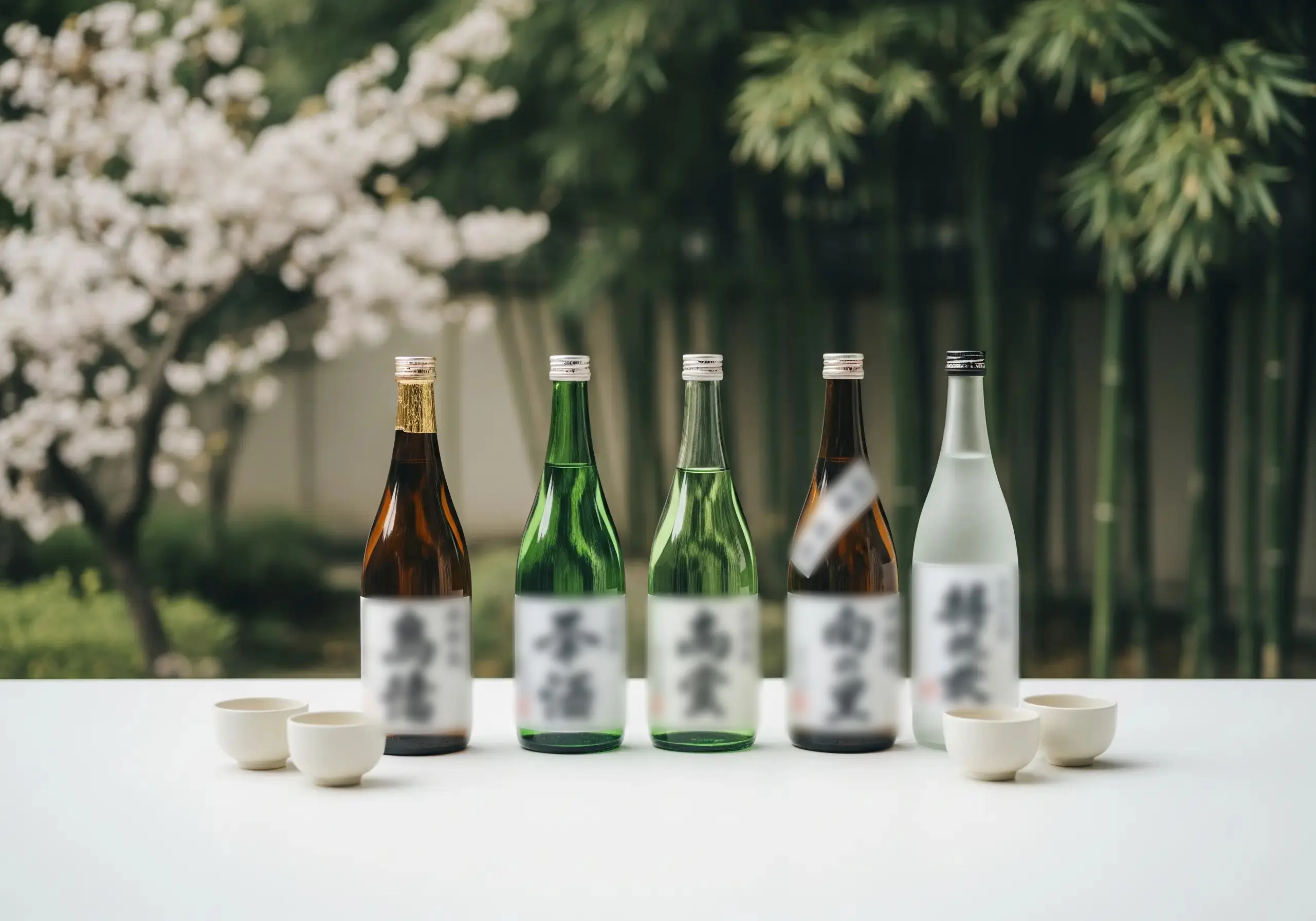
How to Serve Sake at Home Parties
Tips for serving sake at home parties. From selection and temperature management to glassware and food pairing, discover key points for hosting with sake.
Serving Sake at Home Parties
When hosting a home party with friends, why not try serving sake instead of the usual wine or beer?
Sake offers tremendous versatility—you can serve it at different temperatures and pair it with various dishes. With a few thoughtful touches, you can create a special experience that your guests will truly appreciate.
Tips for Selecting Sake
Research Your Guests’ Preferences
If possible, ask your guests about their preferences beforehand.
For guests unfamiliar with sake
- Easy-to-drink low-alcohol types
- Fruity ginjo sake
- Sparkling sake
For sake enthusiasts
- Distinctive regional sake (jizake)
- Rare limited editions
- Trending brands
Variety of Types
Having multiple types allows guests to choose according to their preferences.
The Essential Three
- Fruity type (Ginjo/Junmai Ginjo): Aromatic and crowd-pleasing
- Crisp type (Honjozo/Dry Junmai): Easy to pair with food
- Distinctive type (Nigori/Sparkling/Aged sake): Great conversation starters
Quantity Guidelines
Plan for about 1-2 go (180-360ml) per person.
For a party of four, prepare 2-3 yongobin bottles (720ml each). It’s better to have extra than to run short.
Budget Considerations
Expensive sake isn’t necessarily what pleases everyone.
A junmai ginjo at $20-30 per bottle offers good quality and conversation value. You don’t need to go premium on everything—consider splurging on just one main bottle.
Temperature Management
Advance Preparation
Sake’s flavor changes dramatically with temperature.
Sake to chill Place in the refrigerator 2-3 hours before the party. Over-chilling mutes the aroma, so aim for 10-15°C (50-59°F).
Sake to serve at room temperature Remove from the refrigerator an hour before serving.
Sake to warm Prepare on the day. A pot and hot water are all you need.
During the Party
Ice-filled bowl Keeps chilled sake cold. Creates a refreshing visual too.
Thermal carafe Keeps warmed sake at temperature. Dedicated tokkuri warmers are also available.
Don’t add ice directly Adding ice directly to sake dilutes it. If you want to chill it, place the bottle in ice.
Choosing Glasses and Sake Vessels
Wine Glasses
Wine glasses are ideal for enjoying the aroma of ginjo sake.
Benefits
- Concentrates the aroma
- Looks elegant
- Easy to control portions
Your everyday glasses work fine. While specialized sake glasses exist, white wine glasses work perfectly.
Ochoko and Guinomi
For a traditional atmosphere.
Benefits
- Authentic sake presentation
- Small size prevents overdrinking
- Encourages interactive pouring
Even without matching sets, having various shapes can spark conversation.
Tumblers and Glasses
For casual parties.
Benefits
- Relaxed atmosphere
- Easy cleanup
- Can be used for sake on the rocks
Having Enough for Everyone
Prepare the same type of glass for each guest.
Matching glassware creates visual harmony on the table. If you’re short, mix in similar designs.
Pairing with Food
Beyond Japanese Cuisine
Sake isn’t limited to Japanese food.
Great pairings
- Cheese: Blue cheese or Camembert with junmai sake
- Prosciutto: The saltiness and umami complement sake
- Olives: Excellent match with dry sake
- Roast beef: Pairs well with junmai’s umami
- Carpaccio: Ginjo’s elegance enhances the dish
Create a Course Structure
Changing sake with each course adds a special touch.
Example flow
- Toast: Sparkling sake
- Appetizer: Chilled ginjo
- Main course: Room-temperature junmai
- Finale: Warmed sake or aged sake
Simple Snacks
You don’t need elaborate dishes.
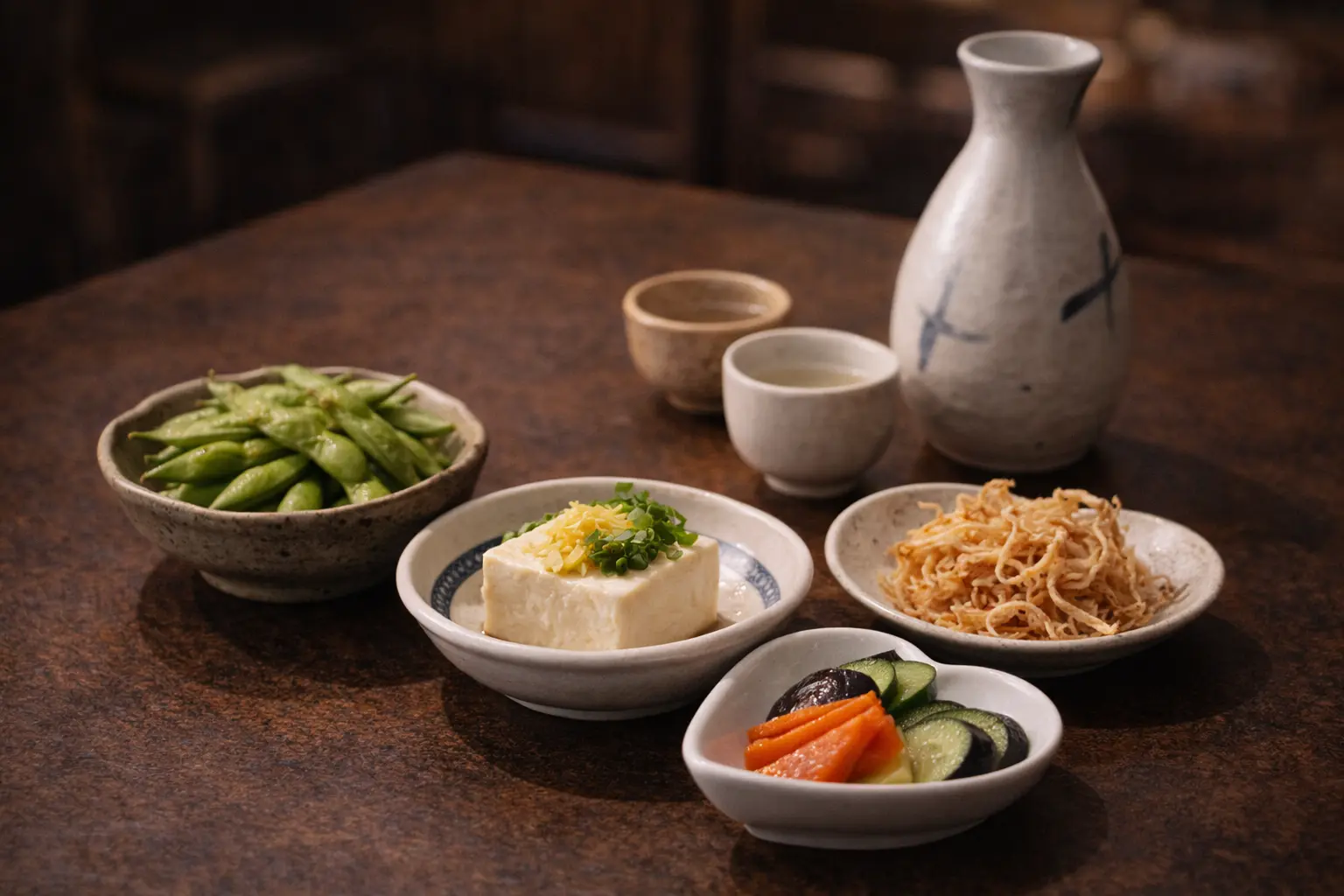
Easy options
- Sashimi platter (from the supermarket)
- Edamame, chilled tofu
- Pickles, salted squid
- Cheese and crackers
- Assorted nuts
You can always say “simple food lets you appreciate the sake better.”
Creating the Right Atmosphere
Introduce the Sake
Don’t just serve it—say a few words about it.
Things guests appreciate hearing
- Which brewery made it
- What the flavor profile is
- Why you chose it
- How to best enjoy it
“This is from Niigata, a crisp dry sake. Try it with the sashimi”—just that much sparks interest.
Show the Label
The bottle’s label is its face.
Leaving bottles on the table invites guests to pick them up and look. It’s a natural conversation starter.
Tasting Corner
Line up small amounts of different sake for comparison tasting.
What you’ll need
- Small glasses (ochoko size)
- Cards with sake names
- Water (yawaragi-mizu)
A self-serve style generates party conversation.
Warming Sake Live
Heating sake on the spot creates a performance element.
Simple warming method
- Boil water in a pot
- Turn off the heat
- Place the tokkuri in for 5-10 minutes
- Pour in front of guests
You can announce “It’s reached the perfect temperature now.”
Preventing Overindulgence
Provide Palate-Cleansing Water
Always have water available.
Keep it in pitchers or carafes where guests can help themselves.
Non-Alcoholic Options
For those who don’t or can’t drink alcohol.
What to have ready
- Mineral water
- Tea (green tea, roasted tea)
- Non-alcoholic sake (if available)
- Juices
Monitor the Pace
As host, watch your guests’ condition.
If someone seems to have had too much, casually offer water or change the subject.
Handling Problems
Running Out of Sake
Head to a nearby convenience store or liquor shop.
Check store locations in advance for peace of mind. If needed, wine or beer can fill the gap.
Spilled Sake
Stay calm.
Blot immediately with a towel and dilute with water. Laugh it off: “No worries—it’s good sake even when spilled.”
Guest Who’s Had Too Much
Offer water and let them rest.
Call a taxi or offer to let them stay over. Don’t force anyone to leave.
Cleanup Tips
Storing Leftover Sake
Refrigerate opened bottles.
They’ll stay good for 1-2 weeks. Can also be used for cooking.
Washing Glasses
Sake doesn’t leave much odor, so regular washing is fine.
However, avoid strongly scented detergents. The smell might transfer next time you use them.
Summary
Key points for serving sake at home parties:
Preparation
- Select sake considering guests’ preferences
- Have about 3 varieties
- Prepare for temperature management
- Have enough glasses for everyone
On the day
- Share a word about each sake
- Be mindful of food pairings
- Have water available
- Monitor guests’ pace
Don’t overthink it—the most important thing is the spirit of “let’s enjoy good sake together.” May your time gathered around sake become a wonderful memory.
For more on sake and food pairings, see Sake Snacks and Pairings.
Learn detailed tasting methods in How to Taste Sake.