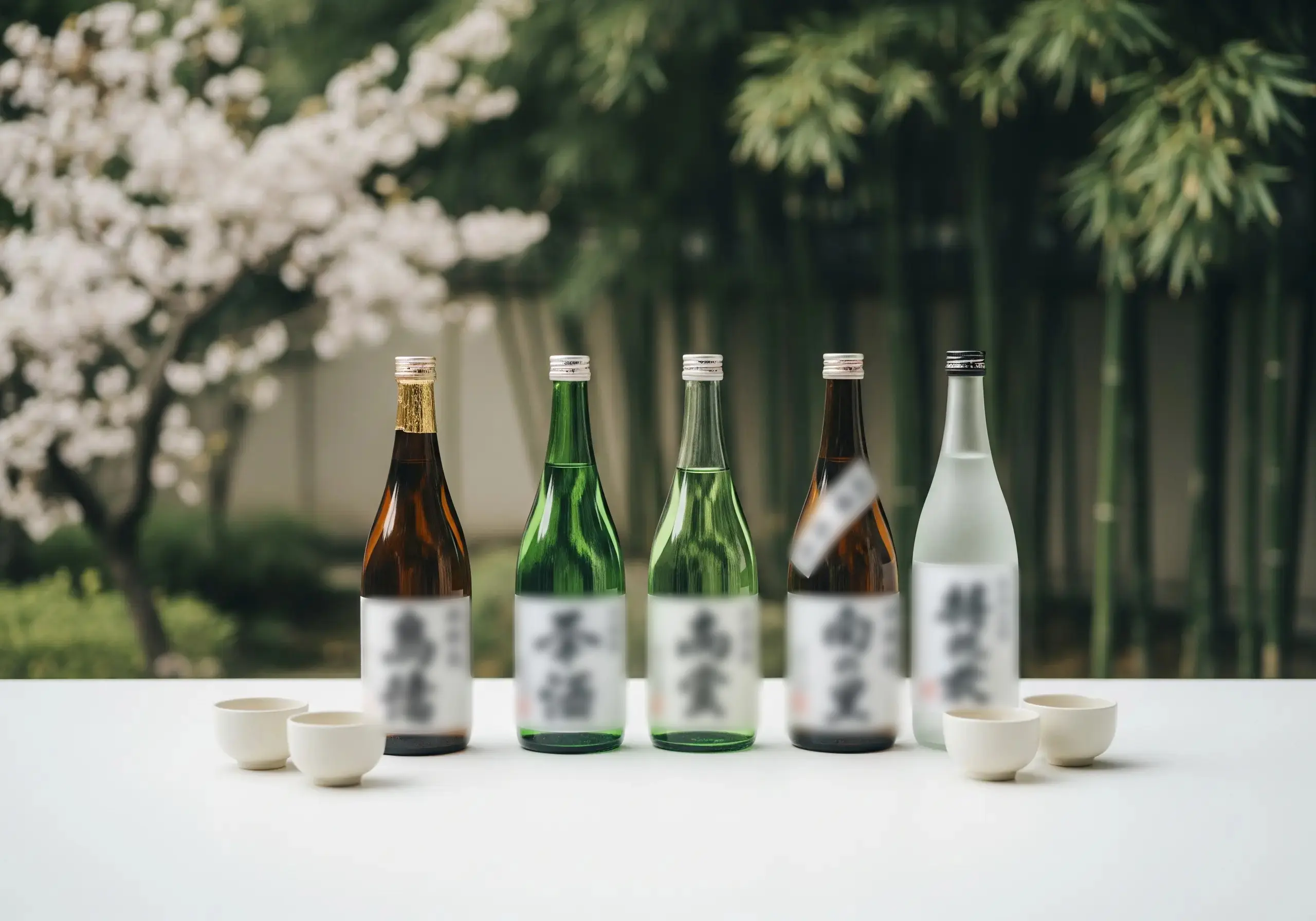
Find Your Perfect Sake: A Guide to Discovering Your Ideal Bottle
Not sure which sake to choose? Based on your taste preferences, drinking occasions, and food pairings, discover the type of sake that's perfect for you.
Knowing Your Own Taste
“I want to try sake, but there are so many types—I don’t know where to start.”
More people struggle with this than you might imagine. Junmai, ginjo, honjozo… the technical terms on labels don’t conjure any image of taste. Asking the shop staff feels intimidating. In the end, you grab something at random, it doesn’t suit you, and you think “Maybe sake just isn’t for me.”
But wait.
The world of sake is vast. Judging it by one bottle is like tasting only salmon sushi and concluding “I don’t like fish.” Your perfect sake exists somewhere. Let’s set out to find it.
Clues from Your Current Preferences
Hints for choosing sake are closer than you think. What do you normally drink? What foods do you enjoy? Your ideal sake lies along that same thread of taste.
For Beer Lovers
That refreshing first sip after work, the crisp satisfaction. If you love beer, you’ll likely enjoy dry, sharp sakes.
Niigata’s light, dry style. Honjozo. Clean finishes that don’t interfere with food. Like beer, you can drink it freely alongside your meal. Chilled, the refreshing quality intensifies.
For Wine Lovers
Savoring aromas, taking your time with each glass. For wine enthusiasts, fruity ginjo sakes are the answer.
Junmai daiginjo and junmai ginjo carry notes of apple, pear, and banana. The elegance of white wine with a delicate mouthfeel. Served in a wine glass, these qualities shine even brighter.
For Shochu Lovers
If you enjoy the rice or sweet potato flavors in shochu, you’ll appreciate junmai sakes with substantial umami.
Yamahai and kimoto-style sakes offer complex flavors and deep richness. Warm them, and the umami opens up further. Like shochu, these are sakes meant for contemplative drinking.
For Cocktail and Sweet Drink Lovers
If you prefer fruity, easy-drinking beverages, start with sweet types or sparkling sake.
Nigori (cloudy sake) is creamy, almost like a dessert. Low-alcohol sparkling sake has champagne-like elegance. You might find yourself saying, “This is sake?”
The Four Faces of Sake
There’s a simple map for understanding sake. Based on aroma intensity and flavor richness, sake broadly falls into four types.
Kunshu — Like Walking Through a Flower Garden
Bring the glass close, and fragrant aromas rise up. Apple, melon, banana, sometimes floral notes. That’s kunshu.
Daiginjo and junmai daiginjo represent this type. Slow, low-temperature fermentation creates these fruity aromatics. Light on the palate, silky smooth. When beginners exclaim “Sake can be this easy to drink?”—it’s usually this type.
Serve well-chilled in a wine glass to concentrate the aromas. Pairs beautifully with delicate dishes like sashimi and white fish.
Soshu — Clear as a Mountain Stream
Subtle aromatics, light flavor profile. A clean, refreshing finish. That’s soshu.
Honjozo, futsushu, and nama (fresh) sakes often fall into this category. Versatile and food-friendly. Transparent as water, never tiring to drink.
On a hot summer night, an ice-cold soshu is pure bliss. Pairs perfectly with simple fare—edamame, chilled tofu. Perhaps the most versatile type for drinking with meals.
Junshu — Tasting the Earth’s Bounty
Rich rice umami you can really feel. Full-bodied, deep. Long, lingering finish. That’s junshu.
Junmai sakes, especially yamahai and kimoto styles, exemplify this type. Made only with rice, water, and koji—this is sake at its most fundamental. Pairs magnificently with robust dishes: simmered foods, grilled fish, cheese.
This type transforms with temperature. Try it from room temperature through to warm and hot. Heating unlocks the umami, revealing new dimensions.
Jukushu — Depth Layered by Time
Amber or golden in color. Complex aromas of honey, nuts, dried fruit. Rich, velvety mouthfeel. That’s jukushu.
Aged sakes fall into this category. Years of maturation create depth that young sakes cannot possess. If you love whiskey or brandy, this world might captivate you.
Sip from a small glass after dinner. Pairs intriguingly with chocolate or cheesecake. A type that shows sake’s “other face.”
When, Where, and With What
Even the same sake serves different purposes in different situations.
As an Aperitif
A glass that builds anticipation for the meal ahead. Something light that stimulates the appetite.
Sparkling sake fits this role perfectly. Use it for toasts instead of champagne. Nama sake and lighter ginjos also excel here. Serve a small amount very cold, drink it quickly.
With Meals
Neither overwhelming the food nor disappearing behind it. Balance is key.
Junmai is the classic food sake. It works with all Japanese cuisine. Honjozo pairs especially well with fried and grilled dishes. Dry ginjo with sashimi is a timeless combination.
The secret for mealtime drinking: avoid overly aromatic sakes. An intensely fragrant daiginjo might upstage rather than complement the food.
As a Digestif
A relaxed glass to conclude the meal. Something you can enjoy like dessert.
Kijoshu—sake brewed with sake instead of water—is sweet and rich, like dessert wine. Aged sakes also suit after-dinner contemplation. Some people even pair sweet nigori with ice cream.
Seasons as Your Guide
Sake has its seasons. Enjoying different sakes as the year turns is one of sake’s great pleasures.
Spring brings freshly pressed new sake. Brewed through winter, finally ready to drink. Fresh, with raw vitality.
Summer calls for sakes meant to be chilled. Nama sake, low-alcohol “summer sakes,” sparkling types. Refreshment that makes you forget the heat.
Autumn introduces hiyaoroshi—sake pasteurized in spring and matured through summer. Mellowed, with smooth edges. Rich-flavored sake for the season of hearty appetites.
Winter is the season for warming sake. Hot sake that warms you from within. Drink it slowly with hot pot dishes. The first “arabashiri” pressing is another winter treasure.
Communicating at the Sake Shop
When choosing sake, a few keywords help convey your preferences to the staff.
“Clean” or “crisp” gets you something dry. “Mellow” or “full-bodied” points toward rich junmai. “Fruity” or “aromatic” means ginjo styles. “Sweet” or “gentle” indicates sweeter types.
Describing how you’ll drink it also works. “I want to drink it chilled” suggests nama or ginjo. “I want to warm it” means junmai or honjozo. For food pairing, just say “I’m having fish tonight” or “something that goes with meat.”
Don’t be embarrassed. “I don’t know much about sake” is the best thing you can say. Good shop staff are especially attentive to beginners.
Three Bottles When You’re Stuck
If you’re truly lost, try these three.
Dassai Junmai Daiginjo 45—Fruity and approachable, the quintessential starter sake. It might change your image of what sake can be.
Kubota Senju—The quintessence of light, clean sake. Food-friendly, universally appealing.
Shimeharitsuru Jun—A junmai where you really taste the rice. If you want to know what “sake-like sake” means, start here.
Compare these three, and you’ll see which type suits you. Prefer Dassai? You’re a kunshu person. Kubota? Soshu. Shimeharitsuru? Junshu.
The Journey of Finding Your Taste
Choosing sake isn’t a game with right answers. It’s a journey of discovering your preferences.
Few people find their perfect bottle on the first try. You taste many, noting “I like this” and “this isn’t for me,” building understanding over time. That process itself is the joy.
When in doubt, consult a specialty shop. “I want something fruity” or “I want to warm it”—simple keywords are enough. They’ll introduce you to a bottle that’s perfect for you.
Why not open a new bottle tonight?
For sake basics, see What is Sake?.
For more on types, see Understanding Junmai, Ginjo, and Daiginjo.