Sake Yeast: From Kyokai Strains to House Cultures
Discover the world of sake yeast that determines aroma and flavor. Learn about Kyokai yeast strains, brewery-specific cultures, and the secrets behind fruity ginjo aromas.
Sake Yeast: The Invisible Star
“This sake smells like apples.”
At a tasting event, when I made this observation, the brewer smiled and said, “We use Number 9 yeast.”
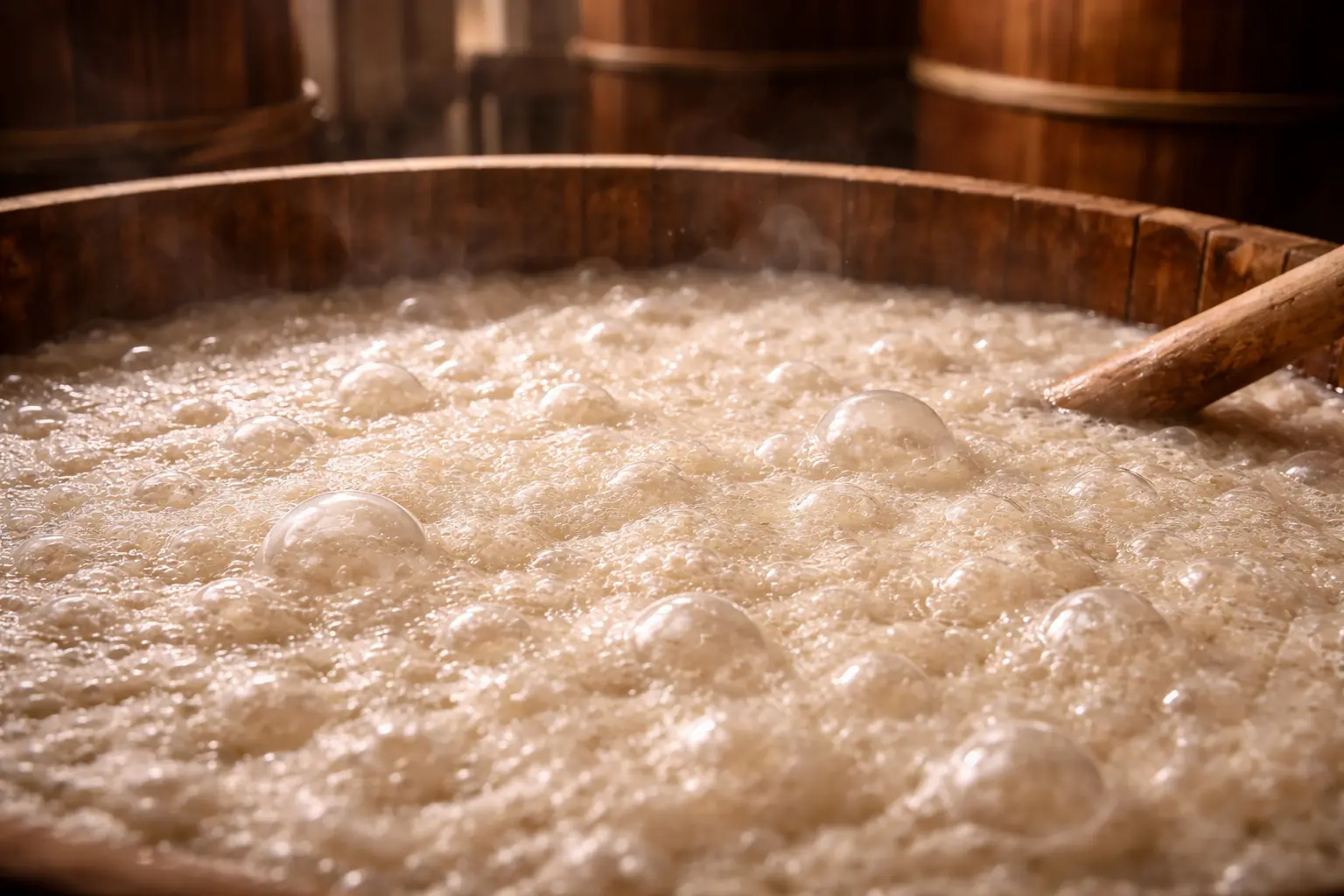
Yeast. This invisible microorganism dramatically influences sake’s aroma and flavor. Same rice, same water, same master brewer—but different yeast means different sake.
What Is Yeast?
The Microbe Behind Fermentation
Yeast is a single-celled organism that converts sugar into alcohol and carbon dioxide. It makes bread rise and turns grape juice into wine.
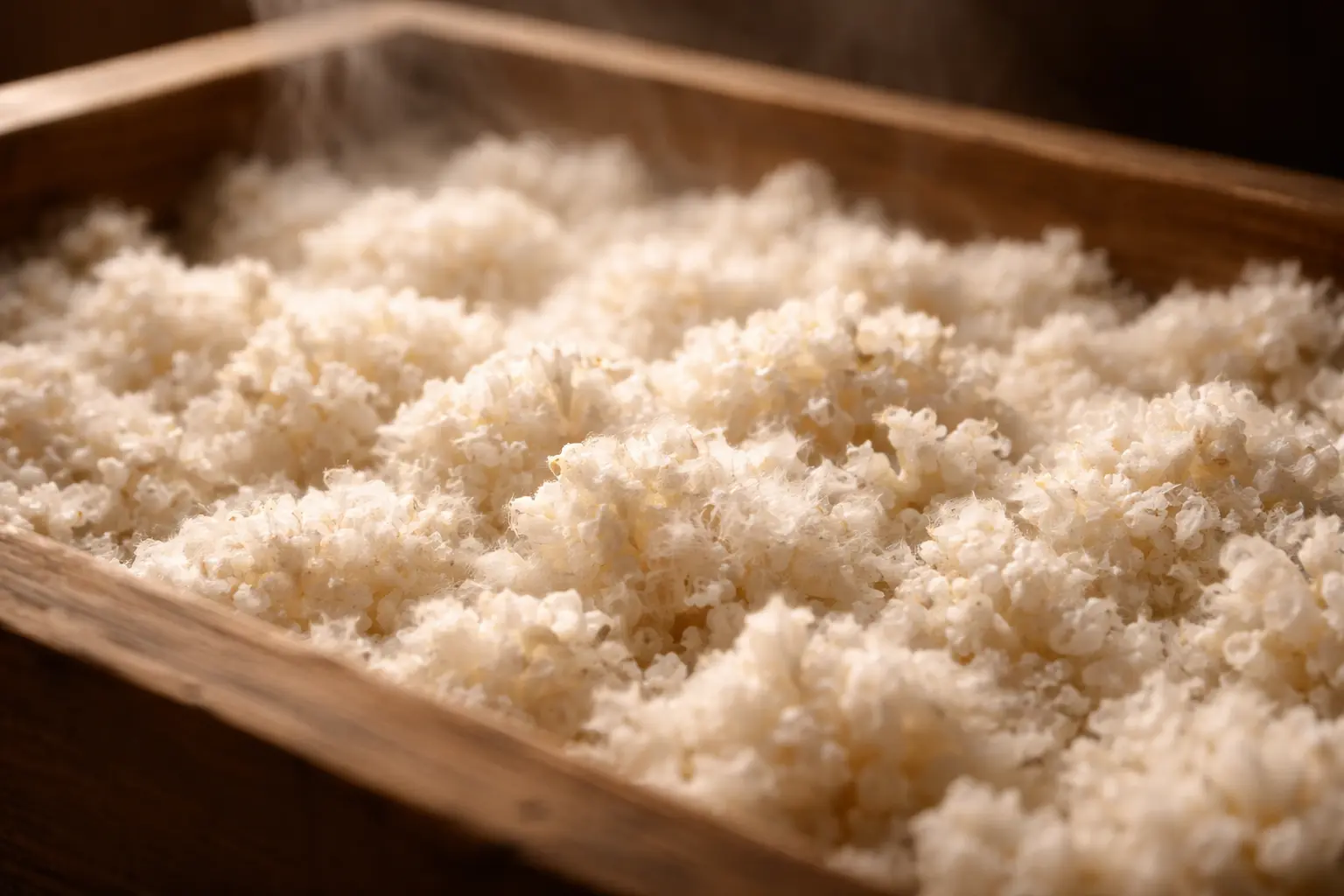
In sake brewing, koji mold breaks down rice starch into sugar, and yeast converts that sugar into alcohol. This “parallel multiple fermentation” is unique to sake, and yeast is its crucial performer.
Creating Aroma
Yeast does more than produce alcohol.
During fermentation, yeast generates various aromatic compounds. Those fruity notes reminiscent of apple, banana, and melon—these are “esters” created by yeast.
Which yeast you use changes the quality and intensity of aromas. That’s why breweries choose yeast to match their target flavor profile.
The World of Kyokai Yeast
What Is Kyokai Yeast?
Yeast distributed by the Brewing Society of Japan is called “Kyokai yeast.”
Since the Meiji era, superior yeast strains have been isolated from excellent sake breweries and distributed nationwide. This raised overall sake quality across Japan.
Kyokai yeasts have numbers. These numbers sometimes appear on sake labels and descriptions.
Major Kyokai Strains
Kyokai No. 6 (Aramasa Yeast) Isolated from Aramasa Brewery in Akita Prefecture. Produces mild aromas and balanced flavors.
The oldest surviving Kyokai yeast, used since the 1930s. Not flashy, but excellent for food-pairing sake.
Kyokai No. 7 (Masumi Yeast) Isolated from Miyasaka Brewing (Masumi) in Nagano. Known for elegant aromatics and light body.
Introduced in 1946, this yeast supported postwar sake brewing. Still a standard choice at many breweries.
Kyokai No. 9 (Kumamoto Yeast) Isolated from Kumamoto Prefectural Sake Research Institute. Designed for ginjo brewing.
Produces strong apple-like aromas (isoamyl acetate). The hero behind the ginjo boom, synonymous with “ginjo yeast.” Performs well in cold fermentation, creating aromatic sake easily.
Kyokai No. 14 (Kanazawa Yeast) Developed at Ishikawa Prefectural Industrial Research Institute.
Creates more refined, subtle aromas than No. 9. Low acidity results in clean-tasting sake. Growing in popularity recently.
Kyokai No. 18 (Kochi Yeast) Developed at Kochi Prefectural Industrial Technology Center.
Produces higher acidity and crisp finish. Developed to match Kochi’s “light and dry” style.
Kyokai No. 1801 A non-foaming mutant of No. 18. Non-foaming yeasts don’t produce foam during fermentation, allowing better use of tank capacity.
Foaming vs. Non-Foaming Yeast
Traditional yeasts produced vigorous foam during fermentation. Workers sometimes watched tanks through the night to prevent overflow.
Today, non-foaming yeasts dominate. Numbers ending in “01” (like 1401, 1801) indicate non-foaming variants.
The sake tastes similar either way, though some master brewers insist foaming yeasts produce better aromas.
Brewery-Specific Yeasts
House Yeast
Some breweries have yeast that lives only in their facility. This is called “house yeast” or “kura-tsuki kobo.”
Attached to beams, walls, and equipment, these yeasts have adapted to that brewery’s environment over many years. They create flavors no other brewery can replicate.
Sake made with house yeast shows strong “brewery character.” However, management is difficult, requiring high skill to maintain consistent quality.
Proprietary Development
Larger breweries sometimes develop their own yeast.
Working with prefectural research institutes or universities, they seek yeast optimal for their sake. Another approach to creating unique flavors.
Yeast and Aroma
The Secret of Ginjo Aroma
That gorgeous ginjo fragrance comes from two main compounds.
Isoamyl Acetate Apple and banana-like aromas. Kyokai No. 9 produces this abundantly.
Ethyl Caproate Apple, melon, and pear-like aromas. Kyokai No. 18 and others produce this readily.
These aromatic compounds are called “esters.” Yeast type and fermentation conditions determine ester amounts and ratios.
Cold Fermentation and Aroma
Many ginjo yeasts perform best at low temperatures.
Slow fermentation below 10°C stresses the yeast. This stress promotes ester production.
Higher temperatures produce alcohol faster but generate fewer delicate aromas.
Tasting for Yeast Character
Check the Label
Labels or product descriptions sometimes note “Kyokai No. 9 used” or “proprietary yeast.”
Some breweries release the same grade sake with different yeasts as separate products. Comparative tasting reveals yeast differences clearly.
Focus on Aroma
When sake is poured, smell it first.
Apple-like? Banana-like? Melon-like? Or mild, with rice aromas dominant?
Remember that impression, then research the yeast information later. Realizing “that aroma came from No. 9 yeast” makes sake more interesting.
Temperature and Aroma Changes
Some yeasts show aromas better cold; others open up when warmed.
Ginjo-yeast sake is typically served chilled to enjoy the aromatics. Meanwhile, sake from mild yeasts like No. 6 reveals more umami when warmed.
Summary
Yeast is the invisible star determining sake’s aroma and flavor.
Knowing Kyokai yeast numbers helps with selection. No. 9 means aromatic fragrance, No. 6 means mild character—such guidelines emerge.
Next time you choose sake, pay attention to yeast information. Same rice, different yeast—different sake. That depth is sake’s fascination.
Learn more about sake production in How Sake is Made or What is Koji.