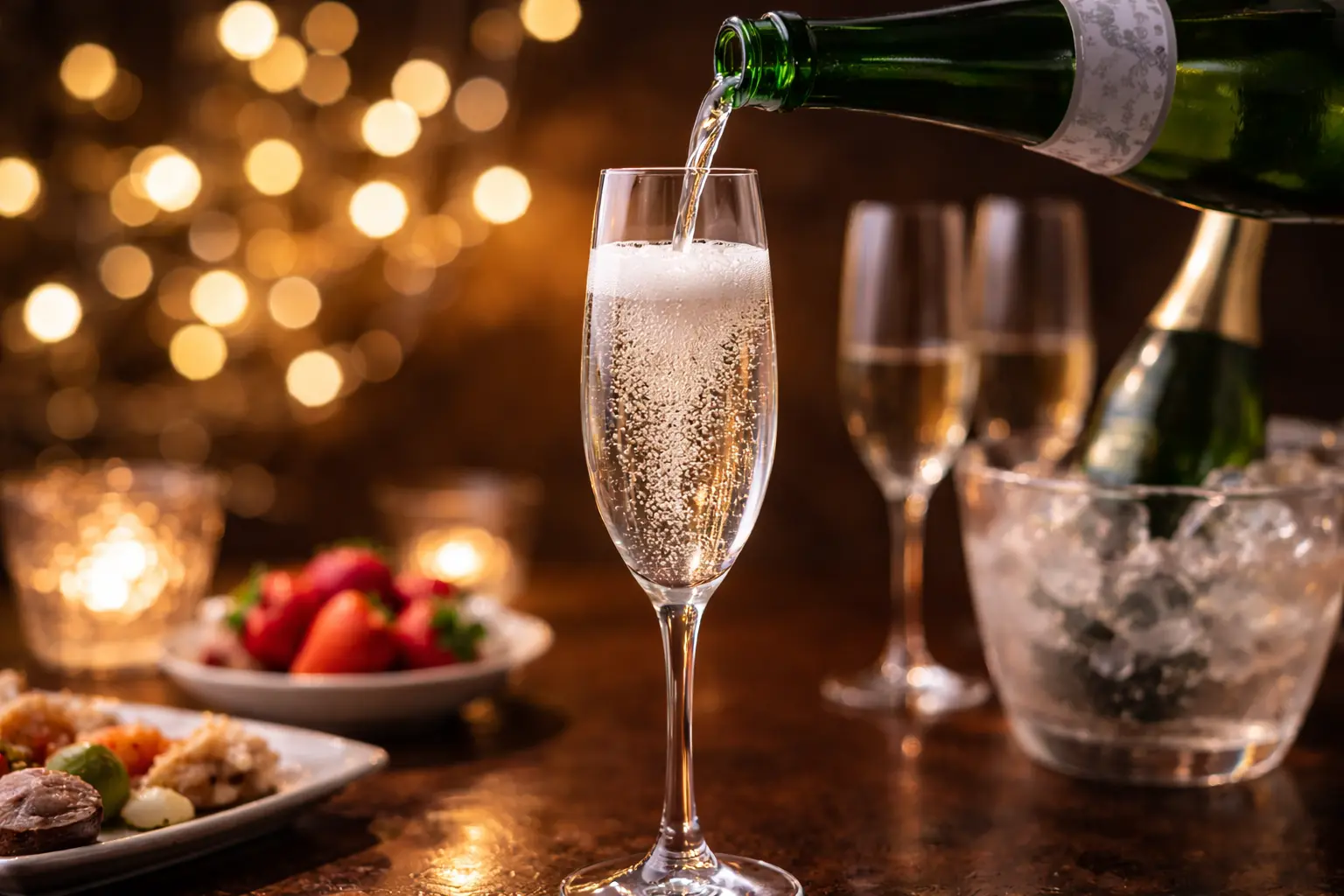
Sparkling Sake: A New Style with Bubbles
A complete guide to sparkling sake covering types, production methods, selection tips, and serving suggestions. Discover the appeal of effervescent Japanese sake and the best ways to enjoy it.
The World of Effervescent Sake
There’s a sake that sparkles like champagne.
Sparkling sake, sparkling nihonshu, awa-sake. The names vary, but all describe sake containing carbon dioxide.
Light and festive, it’s gaining popularity as a new way to enjoy sake.
What Is Sparkling Sake?
Characteristics
Sake containing carbon dioxide.
Fine bubbles dance on the palate when sipped. Refreshing effervescence merges with sake’s umami. Alcohol content ranges widely from 5-15%.
History
It seems new but has ancient roots.
“Sparkling sake” has existed since the Edo period, known as “kassei-shu” or “nama-zake.” Modern sparkling sake development began in earnest in the 1990s.
From the 2000s onward, breweries entered the category seriously. Technological innovation dramatically improved quality. Now it’s a popular category even overseas.
Types by Production Method
In-Bottle Secondary Fermentation
The same method as champagne.
Yeast in the bottle breaks down sugar, creating carbon dioxide. Characterized by fine, delicate bubbles. Labor-intensive, so often higher-priced.
Representative brands include Ichinokura’s “Suzune” and Nanbu Bijin’s “Awa Sake Sparkling.”
Active Nigori
Bottled while fermentation continues in the moromi (mash).
Fermentation continues in the bottle, naturally producing carbonation. Often cloudy. May fizz when opened—handle with care.
Carbon Dioxide Injection
Finished sake with carbon dioxide added afterward.
Relatively inexpensive to produce. Bubbles tend to be larger and dissipate faster. Many casual styles available.
Tank Secondary Fermentation
Secondary fermentation in tanks, then bottled.
Also called the Charmat method. More efficient than in-bottle secondary fermentation. Common in mid-price range.
Varieties of Sparkling Sake
Sweet Types
Fermentation stopped while sugar remains.
Alcohol content around 5-8%, quite low. Fruity and easy to drink. Approachable for sake beginners and casual occasions.
Examples: Suzune, Mio, Puchi Puchi
Dry Types
Fully fermented for a dry character.
Alcohol content around 12-15%. Easy to pair with food. Satisfying even for sake enthusiasts.
Examples: Nanbu Bijin Awa Sake, Shichiken Sparkling
Nigori Sparkling
Cloudy sake with sparkling elements.
Creaminess and refreshing bubbles combined. Unique character. Can be enjoyed like dessert.
Rosé Sparkling
Pink sparkling sake using red yeast.
Visual appeal is the attraction. Perfect for celebrations. Mostly sweet to medium-dry.
Selection Tips
Choosing by Occasion
Toasts & Parties
Prioritize attractive appearance and drinkability. Sweet to medium-dry in-bottle secondary fermentation types recommended.
With Meals
Choose dry types. Clean flavors that don’t compete with food.
With Dessert
Sweet types or nigori sparkling. Great affinity with fruits and cakes.
For Sake Beginners
Low-alcohol sweet types. Approachable, lowering the barrier to sake.
Reading the Label
Alcohol Content
Around 5%: Very light, juice-like 8-10%: Light, easy-drinking 12-15%: Standard, food-friendly
Production Method
“In-bottle secondary fermentation”: Quality indicator “Active”: Opening caution required “Contains carbon dioxide”: Post-carbonated type
Sake Meter Value (SMV)
Larger negative numbers mean sweeter. Sparkling is often -20 to -70 (sweet). Dry types are 0 to +5.
How to Enjoy Sparkling Sake
Temperature
Well Chilled (5-8°C / 41-46°F)
The standard for sparkling sake. Bubbles last longer and refreshing character shines. Chill thoroughly in the refrigerator.
Glasses
Flute Glass
Tall, narrow champagne glass shape. Bubbles rise beautifully. Perfect for party settings.
Wine Glass
When you want to enjoy aromas. Slightly larger bowl opens the scent.
Sake Glass
For Japanese settings. Also for casual enjoyment.
Pouring Technique
- Tilt the glass while pouring
- Pour slowly to avoid excessive foam
- Fill to 70-80% capacity
- Straighten the glass to settle bubbles
Opening Precautions
Active types require special care.
- Chill thoroughly (reduces fizzing)
- Don’t shake the bottle
- Open the cap slowly
- If it starts to overflow, replace the cap
- Try again once settled
Opening over a sink or outdoors provides peace of mind.
Food Pairing with Sparkling Sake
Complementary Dishes
Appetizers
Carpaccio, prosciutto, canapés. Effervescence stimulates appetite.
Seafood
Sashimi, sushi, oysters, shrimp. Especially good with white fish and shellfish. Dry types recommended.
Fried Foods
Tempura, karaage, fried dishes. Bubbles refresh the palate from oil.
Cheese
Fresh cheese, white mold cheese. Sweet sparkling pairs beautifully.
Fruits
Strawberries, peaches, melon. Combine with sweet types for dessert-like enjoyment.
Japanese Sweets
Daifuku, yokan, warabi mochi. Unexpected pairing—sweet flavors harmonize.
As a Cocktail Base
Sparkling sake works in cocktails.
Sake Mojito Style
Add mint and sugar to a glass, pour sparkling sake. Refreshing summer drink.
Fruit Sparkling
Add fresh fruit for sangria style. Strawberries, oranges, kiwi.
Umeshu Sparkling
Add a splash of plum wine for sweet-tart character. Perfect aperitif.
About Awa Sake
What Is Awa Sake?
A brand establishing quality standards for sparkling sake.
Founded in 2016, modeled after wine association standards. Only sake meeting strict criteria can bear the “awa sake” name.
Certification Criteria
- In-bottle secondary fermentation or primary fermentation CO2 only
- Minimum 3.5 atmospheres of gas pressure
- Must be nihonshu (rice, koji, and water only)
- Must be clear (nigori not permitted)
Awa Sake Certified Brands
As a quality mark, recommended for gifts and celebrations. Certified breweries continue to grow.
Storage Methods
Unopened
Refrigeration Essential
Sparkling sake is temperature-sensitive. Room temperature storage prohibited. Deep in the refrigerator (stable temperature area) is best.
Store Upright
Lying flat increases overflow risk when opening. Always store upright.
Drink Promptly
Target 6 months to 1 year from production. Bubbles gradually weaken. Enjoy soon after purchase.
After Opening
Finish Quickly
Carbonation escapes after opening. Same day if possible. Within 2-3 days at most.
Sparkling Wine Stopper
Special stoppers slow bubble loss. When you want it to last until tomorrow.
Especially Recommended for Sake Beginners
Lowering the Barrier
Perfect for those who “don’t like sake.”
Low alcohol, refreshing bubbles, fruity flavors. Drinking ease that defies sake preconceptions. Approachable for wine and champagne lovers.
Recommended Starter Brands
Ichinokura Suzune
Pioneer of sparkling sake. Gentle sweetness and fine bubbles. Easy drinking at 5% alcohol.
Takara Shuzo Mio
Accessible at supermarkets. Muscat-like aroma. Affordable price.
Nanbu Bijin Awa Sake Sparkling
For those seeking authenticity. Delicate in-bottle secondary fermentation bubbles. Dry style that pairs with food.
Summary
Sparkling sake is a new door to the sake world.
Refreshing effervescence meets sake umami. Two appeals united in one drink. Toasts, meal accompaniment, dessert time. Versatile for many occasions.
Whether you’ve avoided sake or love it, try this new experience.
Within those dancing bubbles lies sake’s new potential.
To learn more about sake varieties, see The World of Nigori and Doburoku.