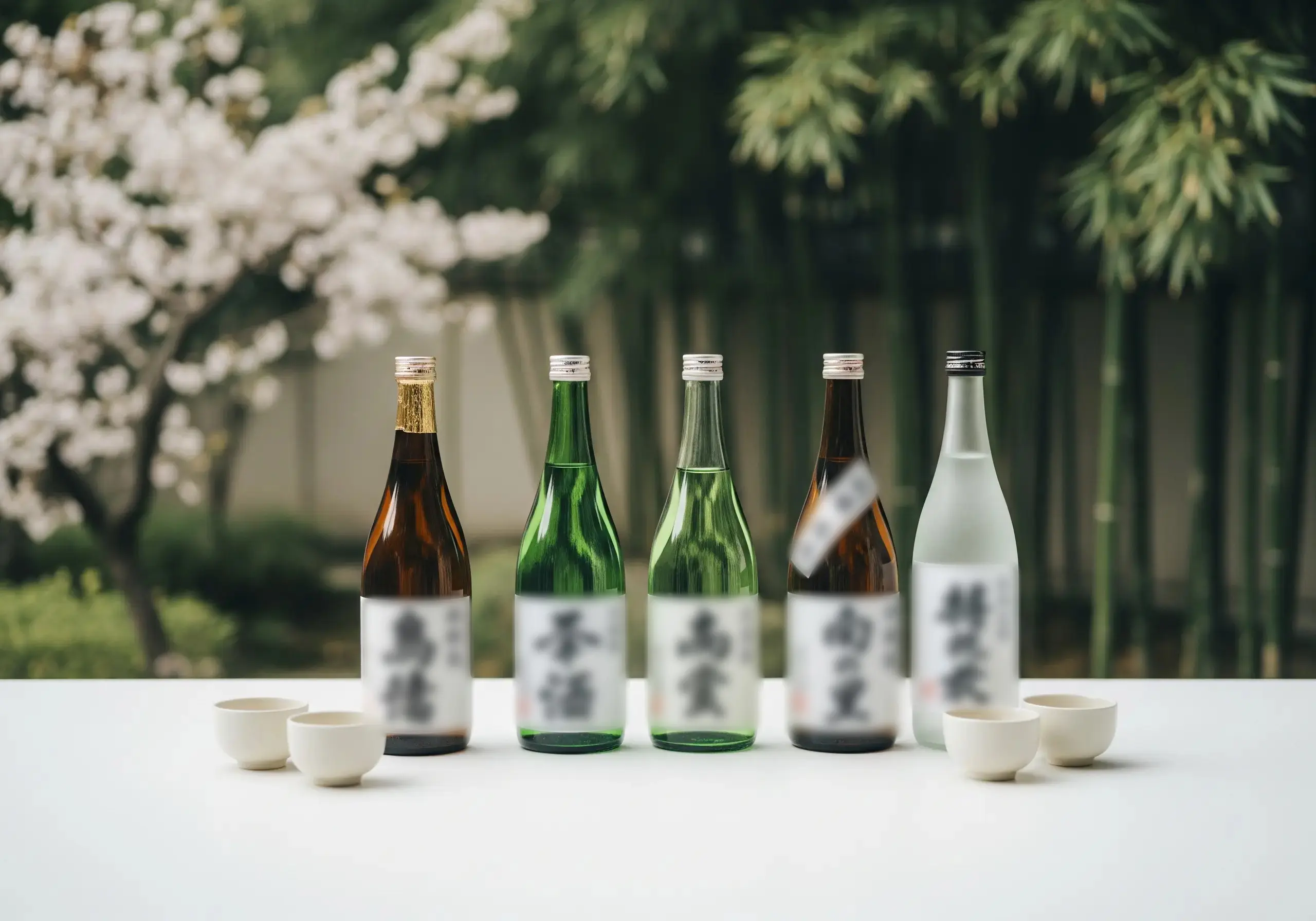
World Sake: Current Status and Evaluation
Learn about 'World Sake' - Japanese-style sake brewed overseas. Discover breweries in the USA, Australia, France, and more, their characteristics, and how they compare to Japanese sake.
World Sake
Sake is no longer brewed only in Japan.
It is now being produced in the United States, Australia, France, and many other countries around the world. What exactly is “World Sake,” and what role does it play?
What is World Sake?
Definition
A general term for sake brewed outside of Japan.
Characteristics
- Brewed outside Japan
- Uses rice, koji, and water
- Follows Japanese sake brewing methods
Some breweries are established by Japanese sake makers overseas, while others are started by local brewers.
History
Sake brewing overseas has surprisingly deep roots.
1970s onward Brewing began in the United States for Japanese-American communities. Major manufacturers also established local factories.
2000s onward The craft sake movement emerged, with an increase in small-scale breweries.
2010s onward New breweries appeared around the world, with significant quality improvements.
Why Brew Overseas?
Reduced Transportation Costs Importing from Japan adds shipping costs that raise prices. Local production allows for more affordable pricing.
Freshness Assurance Fresh sake like nama-zake can be delivered in optimal condition.
Integration with Local Food Culture Brewing sake that pairs with local ingredients and cuisine.
Spreading Sake Culture Local production deepens understanding of sake.
Major Producing Countries
United States
The largest producer of World Sake.
History Major manufacturers entered the market in the 1970s. Recently, the craft sake boom has led to an increase in small breweries.
Main Regions
- California (most prolific)
- Oregon
- Colorado
- New York
Characteristics
- Influenced by craft beer culture
- Experimental styles
- Pairing with local ingredients
Notable Breweries
- Gekkeikan USA (major, California)
- SakeOne (Oregon)
- Brooklyn Kura (New York)
- Den Sake Brewery (California)
Australia
A sake-producing country in the Southern Hemisphere.
History Brewing began in the 1990s, with remarkable quality improvements.
Main Regions
- Victoria
- New South Wales
Characteristics
- High-quality water
- Use of Australian-grown rice
- Focus on pairing with Asian cuisine
Notable Breweries
- Sun Masamune (Victoria)
- Go-Shu (New South Wales)
France
Sake brewing in a wine powerhouse.
History Full-scale brewing began in the 2010s, exploring fusion with wine culture.
Characteristics
- Applying winemaking expertise
- Pairing with French cuisine
- Emphasis on terroir
Notable Breweries
- Wakaze (near Paris)
- Les Larmes du Levant (Alsace region)
Spain
An emerging European producer.
Characteristics
- Fusion with Mediterranean food culture
- Pairing with Spanish cuisine
- Growing market
United Kingdom
Breweries have emerged in recent years.
Characteristics
- Centered in London
- Connection with pub culture
- Experimental approaches
Norway
Sake brewing in the Nordic region.
Characteristics
- Pure Nordic water
- Pairing with seafood
- Unique styles
Characteristics of World Sake
Ingredients
Rice Often uses locally grown rice.
- USA: California-grown Koshihikari, Calrose, etc.
- Australia: Australian-grown rice
- Europe: Italian rice, Spanish rice, etc.
Some breweries import sake rice like Yamada Nishiki from Japan.
Water Local water is used. Water quality significantly affects sake character.
Hard water regions tend toward dry sake, while soft water regions produce smoother sake.
Koji Koji mold is often imported from Japan. Local cultivation is also practiced.
Yeast Many breweries use Japanese Kyokai yeasts. Some develop their own yeast strains.
Production Methods
Traditional Methods Breweries that faithfully replicate Japanese techniques.
Unique Approaches Breweries incorporating local brewing expertise (wine, beer).
Experimental Styles New approaches including barrel aging, fruit additions, and hop infusions.
Flavor Profile
World Sake often tastes different from Japanese sake.
Terroir Differences Differences in water and rice are reflected in the sake’s character.
Food Culture Influence Sometimes designed to pair with local cuisine.
Brewer’s Individuality Unique styles from brewers with wine or beer backgrounds.
Comparison with Japanese Sake
Quality Gap
World Sake was once considered “inferior to Japanese sake.”
Current Situation Technical improvements have led to high-quality World Sake. Some brands compete with Japanese sake at international competitions.
However It remains difficult to completely replicate the Japanese brewing environment—sake rice like Yamada Nishiki, renowned water sources, and toji craftsmanship.
Style Differences
Japanese Sake
- Traditional styles
- Regional character
- Long history and culture
World Sake
- Experimental styles
- Designed for local food culture
- New approaches
It’s not about which is better, but rather different appeals.
Price
Japanese Sake (Imports) Transportation costs and tariffs can make local prices 2-3 times higher than in Japan.
World Sake Without shipping costs, it can be offered at more affordable prices.
For local consumers, World Sake offers excellent value for money.
The “Nihonshu” Definition Issue
GI (Geographical Indication) “Nihonshu”
In 2015, “Nihonshu” was registered as a Geographical Indication (GI).
Meaning The term “Nihonshu” can only be used for sake brewed in Japan using Japanese-grown rice.
World Sake Terminology Overseas-produced sake cannot be called “Nihonshu.” Terms like “SAKE,” “Junmai,” and “Seishu-style” are used instead.
Consumer Confusion
Issue It’s difficult for consumers to distinguish whether “SAKE” is Japanese or overseas-produced.
Response Clearer origin labeling, use of “Made in Japan” and “Japanese Sake” designations.
Industry Perspectives
Japanese Industry Wants to protect the value of Japanese-made sake through GI. Quality differentiation.
Overseas Breweries Some frustration at not being able to use “Nihonshu.” However, there’s also movement to establish World Sake as its own distinct category.
Evaluation of World Sake
International Competition Results
World Sake is also entered in international competitions.
IWC A World Sake category has been established, with judging separate from Japanese sake.
Results More World Sake is receiving high evaluations—proof of quality improvement.
Critics’ Evaluations
Positive Views
- Contributes to overall sake category awareness
- Creates diversity
- Fusion with local food culture
Skeptical Views
- Different from traditional Japanese sake
- Quality variation
- “Not authentic sake”
Consumer Response
Local Consumers
- Can enjoy sake at affordable prices
- Affinity for locally produced products
- Ideal as an introduction to sake
Sake Enthusiasts
- Interesting experimental styles
- Comparison with Japanese sake
- New discoveries
Japanese Breweries Expanding Overseas
Local Production Initiatives
Japanese breweries are also establishing brewing facilities overseas.
Benefits
- Direct access to local markets
- Reduced transportation costs
- Freshness assurance
Examples
- Asahi Shuzo (Dassai) New York expansion plans
- Major manufacturers’ local factories
Technical Guidance and Partnerships
Japanese breweries also provide technical guidance to overseas breweries.
Forms
- Dispatching toji (master brewers)
- Technical partnerships
- Consulting
Japanese expertise is spreading worldwide.
The Future of World Sake
Growth Potential
World Sake is expected to continue growing.
Background
- Rising interest in sake
- Benefits of local production
- Entry of new brewers
Independent Development
World Sake may develop as its own category, not just a copy of Japanese sake.
Wine Parallel Wine produced outside France (New World wine) has established its own position. Sake may follow a similar path.
Coexistence with Japanese Sake
The growth of World Sake is an opportunity, not a threat, for Japanese sake.
Market Expansion World Sake serves as an introduction, increasing interest in Japanese sake.
Diversity Japanese sake and World Sake each bring their own appeal, enriching the market.
Mutual Stimulation Competition and exchange lead to quality improvements.
Enjoying World Sake
How to Purchase
Local Liquor Stores If living overseas, purchase from local liquor stores.
Ordering from Japan Some World Sake is available for purchase in Japan.
Direct from Breweries Purchase from overseas brewery online shops.
Recommended Comparisons
Comparison with Japanese Sake Compare Japanese and World Sake of the same style (junmai ginjo, etc.).
Terroir Differences Compare Japanese and overseas sake made with the same rice variety.
New Discoveries
World Sake offers new possibilities for sake.
Experimental styles and combinations with local ingredients expand the concept of what sake can be.
Summary
Key points about World Sake:
What is World Sake?
- Japanese-style sake brewed overseas
- Produced in the USA, Australia, France, and more
- Remarkable quality improvements
Characteristics
- Uses local ingredients
- Unique styles
- Fusion with local food culture
Relationship with Japanese Sake
- Complementary, not competitive
- Contributes to overall sake category growth
- Coexists with GI “Nihonshu”
World Sake is proof that sake has become a global beverage. It deserves attention as a force spreading sake culture worldwide alongside Japanese sake.
For more on sake’s international popularity, see Sake’s Global Popularity.
Learn about craft sake in What is Craft Sake?.