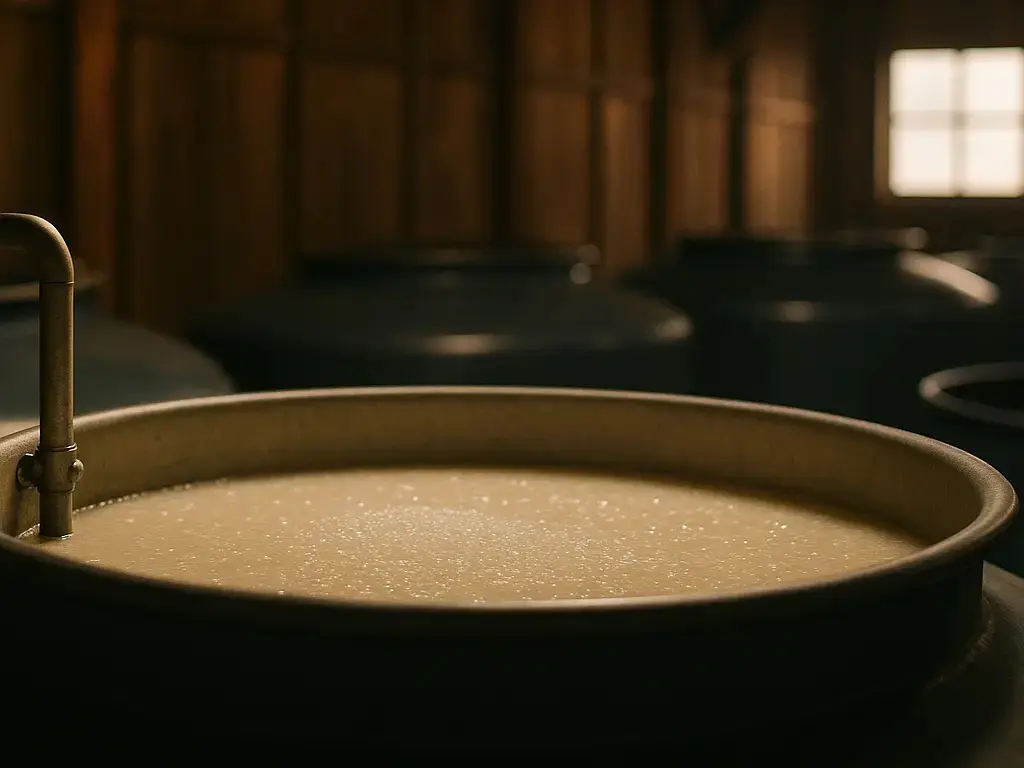
The Genealogy of Sake Yeast: History and Evolution of Kyokai Strains
From the birth of Kyokai yeast to today's diverse strains. Explore the genealogy and characteristics of the yeasts that shape sake's flavor.
The Genealogy of Sake Yeast
The invisible hero that determines sake’s aroma and flavor. That’s yeast.
More than a century has passed since the birth of Kyokai yeast. How have sake yeasts evolved and diversified? Let’s trace their genealogy.
What Is Yeast?
The Role of Yeast
Yeast is a microorganism that converts sugar into alcohol and carbon dioxide. In sake brewing, koji transforms rice starch into sugar, and yeast then converts that sugar into alcohol.
What Yeast Produces
- Alcohol
- Carbon dioxide
- Aromatic compounds (esters, higher alcohols, etc.)
- Organic acids
Yeast and Aroma
Most of sake’s aromas are generated by yeast during fermentation.
Primary Aromatic Compounds
- Isoamyl acetate: Banana and melon-like aromas
- Ethyl caproate: Apple and pear-like aromas
- Ethyl acetate: Fruity aromas
- Higher alcohols: Rich, full-bodied aromas
Different yeast strains produce varying amounts of these compounds, defining each sake’s character.
The Birth of Kyokai Yeast
Establishment of the Brewing Society of Japan
In 1906 (Meiji 39), the Brewing Society of Japan was established. One of its primary activities was isolating and distributing superior yeast strains.
Background
- Sake brewing at the time was unstable
- Failed batches (fuzo) occurred frequently
- Consistent quality was needed
Kyokai No. 1
In 1906, yeast isolated from the Nada brewery “Sakura Masamune” was distributed as Kyokai No. 1.
Characteristics of No. 1
- Strong fermentation power
- Mild aroma
- Representative of Nada’s traditional sake profile
This marked the beginning of Kyokai yeast.
The Kyokai Yeast Genealogy
Early Kyokai Yeasts (No. 1-6)
Kyokai No. 1 (1906)
- Source: Sakura Masamune (Nada)
- Currently discontinued
- Traditional Nada sake profile
Kyokai No. 2 (1911)
- Source: Gekkeikan (Fushimi)
- Currently discontinued
- Soft Fushimi sake profile
Kyokai No. 3 (1914)
- Source: Suishin (Hiroshima)
- Currently discontinued
- Suited for Hiroshima’s soft water brewing
Kyokai No. 4 (1924)
- Source: A Hiroshima brewery
- Currently discontinued
- Suited for low-temperature fermentation
Kyokai No. 5 (1925)
- Source: Kamotsuru (Hiroshima)
- Currently discontinued
- Mild aroma
Kyokai No. 6 (1930)
- Source: Aramasa (Akita)
- Still distributed today
- Excels in low-temperature fermentation, mild aroma
- Also called “Aramasa Yeast”
The Turning Point: Kyokai No. 7
Kyokai No. 7 (1946)
- Source: Masumi (Nagano)
- Known as “Masumi Yeast”
- Pioneer of aromatic sake
- Laid the foundation for the ginjo boom
The emergence of No. 7 was a turning point in sake history. It produced more aromatic profiles than previous yeasts, greatly contributing to ginjo sake development.
The Ginjo Yeast Era (No. 9 and beyond)
Kyokai No. 9 (1953)
- Source: Koro (Kumamoto)
- Known as “Kumamoto Yeast”
- The star of ginjo sake
- Produces abundant isoamyl acetate (banana aroma)
- Still the standard for ginjo today
Kyokai No. 10 (1977)
- Source: Tohoku region
- Suited for long, low-temperature fermentation
- Produces low-acid sake
Kyokai No. 11 (1987)
- A variant of No. 7
- Low acid, mellow flavor
The Advent of Foam-Free Yeast
Kyokai No. 701, 901, etc.
- Mutant strains that don’t produce foam during fermentation
- More efficient tank capacity utilization
- No foam-skimming work needed
- Quality equal to foaming yeasts
Yeasts ending in “01” indicate foam-free variants.
High-Aroma Yeasts
Kyokai No. 1801 (1996)
- Produces abundant ethyl caproate (apple aroma)
- Ideal for daiginjo
- Aromatic and fruity
Kyokai No. 1401
- Low acid, high ester
- Suited for light, crisp sake
Prefecture-Specific Yeast Development
The Rise of Regional Yeasts
From the 1980s onward, industrial technology centers and research stations in various prefectures began developing their own yeasts.
Background
- Desire to express regional character
- Difficult to differentiate with Kyokai yeast alone
- Seeking yeasts suited to local rice and water
Major Prefectural Yeasts
Yamagata Yeast (KA, KM)
- Supports Yamagata’s reputation as the ginjo kingdom
- KA: Highly aromatic, well-balanced
- Used by Dewazakura, Juyondai, and others
Shizuoka Yeast (HD-1, NEW-5)
- Foundation of the Shizuoka ginjo style
- Refined, elegant aroma
- Used by Isojiman, Kaiun, and others
Nagano Yeast (Alps Yeast)
- Adapted to highland low-temperature fermentation
- Used by Masumi, Daishinshu, and others
Akita Yeast (AK-1)
- Descended from No. 6 lineage
- Supports Akita’s sake profile
Hiroshima Yeast
- Inherits the tradition of soft water brewing
- Mild and mellow
Kochi Yeast (AA-41, CEL-24)
- Produces sake with acidity
- Suits Tosa’s dry style
- CEL-24 is suited for low-alcohol sake
Brewery-Specific Yeasts
Some breweries isolate and cultivate their own yeasts.
Examples
- Aramasa: Revived original No. 6 strain
- Jikon: Uses house-cultivated yeast
- Some breweries: Utilize indigenous yeasts (wild yeasts residing in the brewery)
Yeast Selection and Sake Profiles
Characteristics by Yeast Type
Aroma-Focused (No. 9 series, No. 1801, etc.)
- Aromatic, fruity
- Suited for ginjo and daiginjo
- Best enjoyed chilled to appreciate the aroma
Balanced Type (No. 7, prefectural yeasts, etc.)
- Balance between aroma and flavor
- Suited for junmai and junmai ginjo
- Enjoyable across a wide temperature range
Flavor-Focused (No. 6, etc.)
- Mild aroma
- Brings out rice umami
- Also suited for warm sake
Yeast and Polishing Ratio
Yeast characteristics shine when combined with appropriate polishing ratios.
High Polish (35% or below) + Aromatic Yeast
- The royal road of daiginjo
- Prominent aromatic character
Medium Polish (50-60%) + Balanced Yeast
- Standard for junmai ginjo
- Balance of aroma and flavor
Low Polish (70% or above) + Flavor-Focused Yeast
- The true pleasure of junmai
- Rice umami and body
Latest Yeast Research
Genetic Analysis
Advances in genome analysis are revealing relationships between yeast genes and flavor compounds.
Research Findings
- Identification of genes involved in aromatic compound production
- Clarification of yeast lineage relationships
- Application to new yeast development
Exploring New Yeasts
Flower Yeasts
- Yeasts isolated from flowers
- Nadeshiko (dianthus), abelia, etc.
- Produce unique aromas
Fruit Yeasts
- Isolated from fruits
- Apples, grapes, etc.
Reevaluation of Wild Yeasts
- Growing interest in indigenous brewery yeasts
- Expression of terroir
- Distinctive sake profiles
Functional Yeasts
Low-Alcohol Producing Yeasts
- For brewing lower-alcohol sake
- Meeting health-conscious demands
High Organic Acid Producing Yeasts
- Create acidic sake profiles
- New flavor possibilities
Choosing Sake with Yeast in Mind
Reading the Label
Some sake labels indicate the yeast used.
Examples
- “Kyokai No. 9” “K-9”
- “Yamagata Yeast KA”
- “House Yeast”
Recommendations by Yeast
Sake Using Kyokai No. 9 (Kumamoto Yeast)
- Banana and melon aromas
- The ginjo standard
Sake Using Kyokai No. 6 (Aramasa Yeast)
- Refined and elegant
- Aramasa, Ippakusuisei, etc.
Sake Using Kyokai No. 1801
- Vibrant apple-like aroma
- Ideal for daiginjo
Comparative Tasting
Comparing different yeasts from the same brewery clearly reveals yeast’s influence.
Tasting Tips
- Compare same polishing ratio with different yeasts
- Focus on aroma differences
- Notice balance variations in flavor
Conclusion
Yeast is a crucial element that determines sake’s aroma and flavor.
More than a century since Kyokai yeast’s birth. From No. 6 to No. 7 to No. 9, yeasts have evolved with the times. Today, options have expanded to include prefectural yeasts and brewery-specific strains.
Understanding yeast means understanding sake more deeply. Next time you choose a sake, pay attention to the yeast used. The secrets of aroma and flavor are hidden there.
For basics on yeast, see Sake Yeast.
For more on fermentation, see How Fermentation Works.