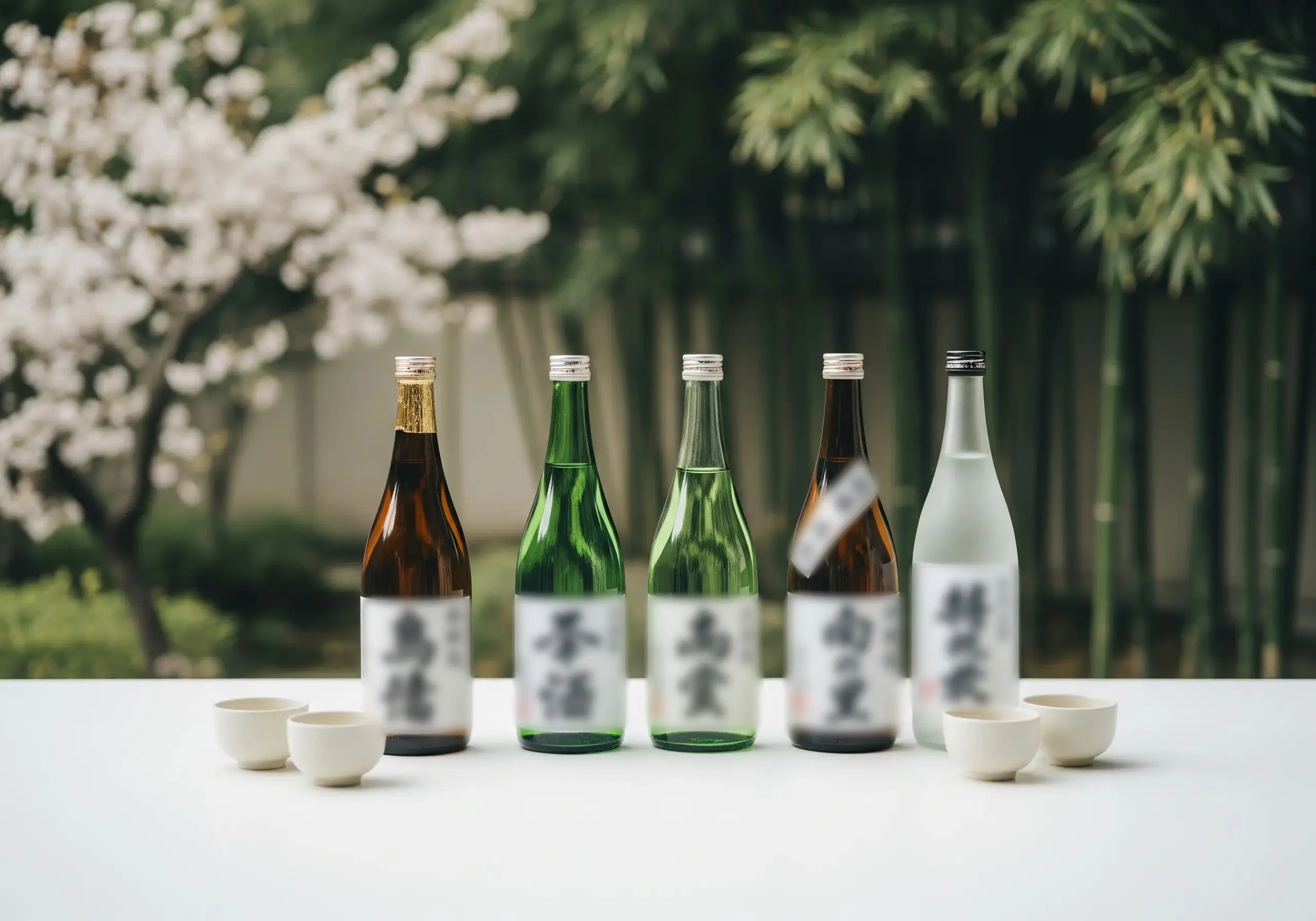
Niigata Sake: Discovering the Holy Land of Light and Dry
Niigata Prefecture boasts the most sake breweries in Japan. Learn about the characteristics of Niigata sake, famous for its light and dry style, its representative brands, and how to enjoy it.
Niigata Sake: The Holy Land of Light and Dry
When people hear “Niigata sake,” most think of a crisp, light, and dry flavor profile.
Rice nurtured in a snow-covered land, pure soft water from melting snow, and techniques refined in harsh winters. There are good reasons why Niigata became a major sake-producing region.
Why Niigata Became a “Sake Country”
An Environment Perfect for Sake Brewing
Niigata Prefecture has approximately 90 sake breweries—the most in Japan. Why did so many breweries emerge here?
Quality Rice Niigata is one of Japan’s leading rice-producing regions. It’s also the largest producer of Gohyakumangoku, a sake-specific rice. Gohyakumangoku has a large shinpaku (starchy core), resulting in a clean, crisp sake profile.
Soft Water for Brewing Niigata’s water, sourced from melting snow, is soft with low mineral content. Brewing with soft water slows fermentation, producing a fine-textured, smooth sake.
Harsh Winter Cold Sake brewing is winter work. Niigata’s severe cold suppresses harmful bacteria and creates the ideal environment for “kanzukuri” (cold-season brewing) at low temperatures.
The Skill of Echigo Toji
Niigata has a guild of master brewers called “Echigo Toji.”
During the agricultural off-season in winter, people from Echigo worked at sake breweries, developing unique brewing techniques over centuries. The techniques that produce the light, dry style were perfected by these Echigo Toji.
What is Tanrei Karakuchi?
Flavor Characteristics
The term “tanrei karakuchi” (light and dry) spread in the 1980s to describe Niigata sake.
Tanrei (Light) Light-bodied with a clean finish. Minimal off-flavors with a transparent taste.
Karakuchi (Dry) Restrained sweetness with a sharp finish. A dry taste profile.
This combination became synonymous with Niigata sake.
Why Light and Dry Emerged in Niigata
Brewing with soft water allows fermentation to proceed slowly. As a result, sugars are thoroughly converted to alcohol, leaving little residual sweetness.
The characteristics of Gohyakumangoku rice also play a role. Its large shinpaku contains fewer compounds that cause off-flavors, naturally producing a clean sake profile.
Niigata brewers leveraged this environment to establish the tanrei karakuchi style.
Representative Brands
Kubota (Asahi-Shuzo)
Born in 1985, this brand sparked the tanrei karakuchi boom.
The lineup ranges from “Senju” to “Manju” by grade. Its crisp taste is approachable even for those new to sake.
Hakkaisan (Hakkai Jozo)
Brewed with underground water from Mt. Hakkai in Minami-Uonuma.
Well-balanced with both lightness and the umami of rice. Quality is consistent from regular sake to daiginjo.
Koshi no Kanbai (Ishimoto Shuzo)
A prestigious Niigata sake with a long history.
It was once called “phantom sake” due to its scarcity. Known for elegant aroma and clean taste.
Shimeharitsuru (Miyao Shuzo)
Made by a small brewery in Murakami City, loved locally.
Light yet comforting. Delicious even when warmed—a versatile sake.
Kikusui (Kikusui Sake Co.)
Known for “Funaguchi Kikusui Ichibanshibori.”
The innovative approach of selling fresh unpasteurized sake in aluminum cans proposed new ways to enjoy sake.
Enjoying Niigata Sake
Food Pairings
Niigata’s light, dry sake pairs excellently with delicate dishes.
Sashimi Crisp sake doesn’t overpower the fish. Especially good with white fish and sweet shrimp.
Wild Mountain Vegetables Niigata’s spring delicacy. The slight bitterness pairs perfectly with light sake.
Hegi Soba Niigata’s specialty noodles made with seaweed. Light sake enhances the soba’s aroma.
Noppe A Niigata home-style dish. Simple flavors of simmered taro and vegetables pair well with local sake.
Serving Temperature
Niigata’s light, dry sake is typically served chilled.
However, junmai and honjozo styles are also delicious warmed. Heating brings out hidden rice umami. Try chilled in summer and warmed in winter.
Tasting Locally
If you visit Niigata, experience it at breweries and local izakayas.
Ponshukan (JR Niigata & Echigo-Yuzawa Stations) Taste sake from Niigata breweries for just a few coins. Perfect for travelers.
Brewery Tours Many breweries offer tours. Visit during brewing season (winter) to see production in action.
Izakayas in Nagaoka and Niigata City Local izakayas offer sake not distributed nationally. Ask staff for recommendations.
Niigata Beyond Light and Dry
Recently, Niigata sake has been evolving beyond just tanrei karakuchi.
Full-Bodied Challenges Some young brewers deliberately create umami-rich sake. They’re pursuing new styles using Niigata techniques.
Kimoto and Yamahai More breweries are reviving traditional methods. Complex, profound flavors different from light sake.
Unique Rice Varieties Sake using rice other than Gohyakumangoku and local table rice is emerging. These showcase the rice’s character.
Niigata sake continues to evolve while maintaining its established light, dry style.
Summary
Niigata sake is an art form born from the harsh nature of snow country and techniques cultivated over centuries.
While often described as tanrei karakuchi, each brewery and brand has its own character. The clean taste is approachable for beginners yet has depth that never bores experienced drinkers.
If Niigata sake interests you, start with representative brands. And if you get the chance, visit the region. Drinking local sake amid snowy landscapes is a special experience.
For other regions like Nada and Fushimi, see Nada and Fushimi Sake.
For enjoying sake while traveling, see Enjoying Local Sake.