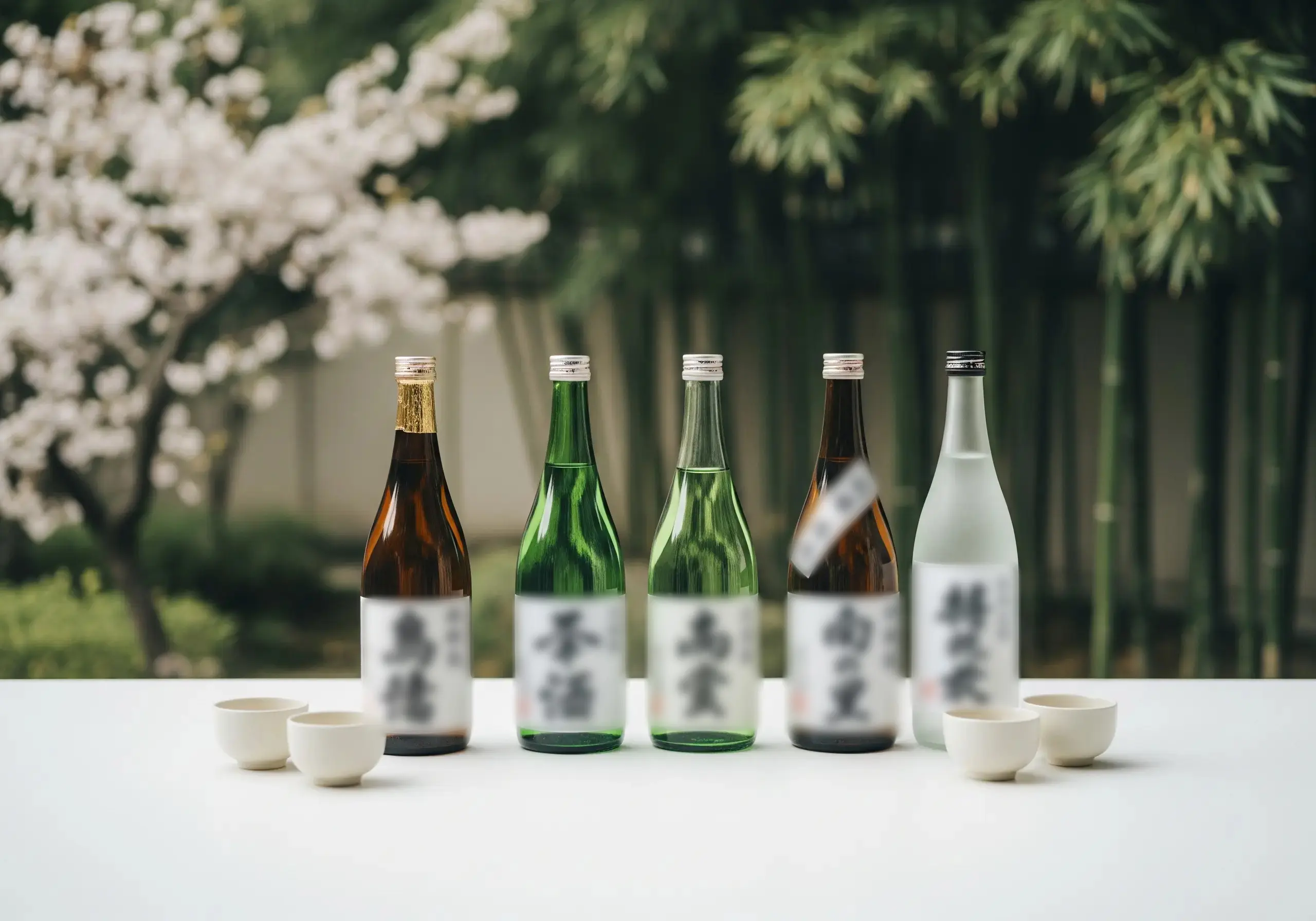
Enjoying Local Sake: Discovering Japanese Sake on Your Travels
A guide to enjoying local sake while traveling. Learn how to visit sake breweries, order at local izakayas, and choose the perfect souvenirs.
Enjoying Local Sake on Your Travels
One of the greatest pleasures of travel is discovering flavors unique to each destination.
With approximately 1,400 sake breweries across Japan, each region’s rice, water, climate, and master brewers’ skills create sake that can only be experienced in that specific place. Knowing how to enjoy local sake will enrich your journey tremendously.
When a Single Glass Becomes a Lifelong Companion
There is one glass I will never forget.
When I traveled to Sendai, I had not decided where to have dinner, so I ducked under the noren curtain of a gyutan (grilled beef tongue) restaurant that happened to catch my eye. I ordered the thick-cut beef tongue and, on a whim, asked, “Do you have any local sake?” What arrived was Hitakami, a local sake from Miyagi.
One sip and my hand froze. It washed away the fat and salt of the beef tongue effortlessly, yet the rich umami of the rice lingered firmly on my tongue. I was stunned by how good it was.
The next evening, I found myself ducking under the same noren again. That is how powerful the impression of that one glass was.
Hitakami is brewed by Hirako Shuzo in Ishinomaki, Miyagi Prefecture. Founded in 1861 (the first year of the Bunkyu era), the brewery flies the banner “If it’s fish, go with Hitakami!” and is known for sake that pairs with the seafood of the Sanriku coast. The name derives from Hitakamigawa, the old name for the Kitakami River. That a sake raised in a land blessed by the sea paired so beautifully with beef tongue was surely no accident.
Sake refined within a region’s food culture truly comes into its own on that region’s table. There is a harmony you can taste only by drinking it where it was born, and that single glass taught me as much. Had I simply opened the bottle at home in Tokyo, it would never have etched itself so deeply into my memory. The air of the place, the exhilaration of travel, the dish in front of you: only when all of these come together does a glass of sake become an unforgettable taste.
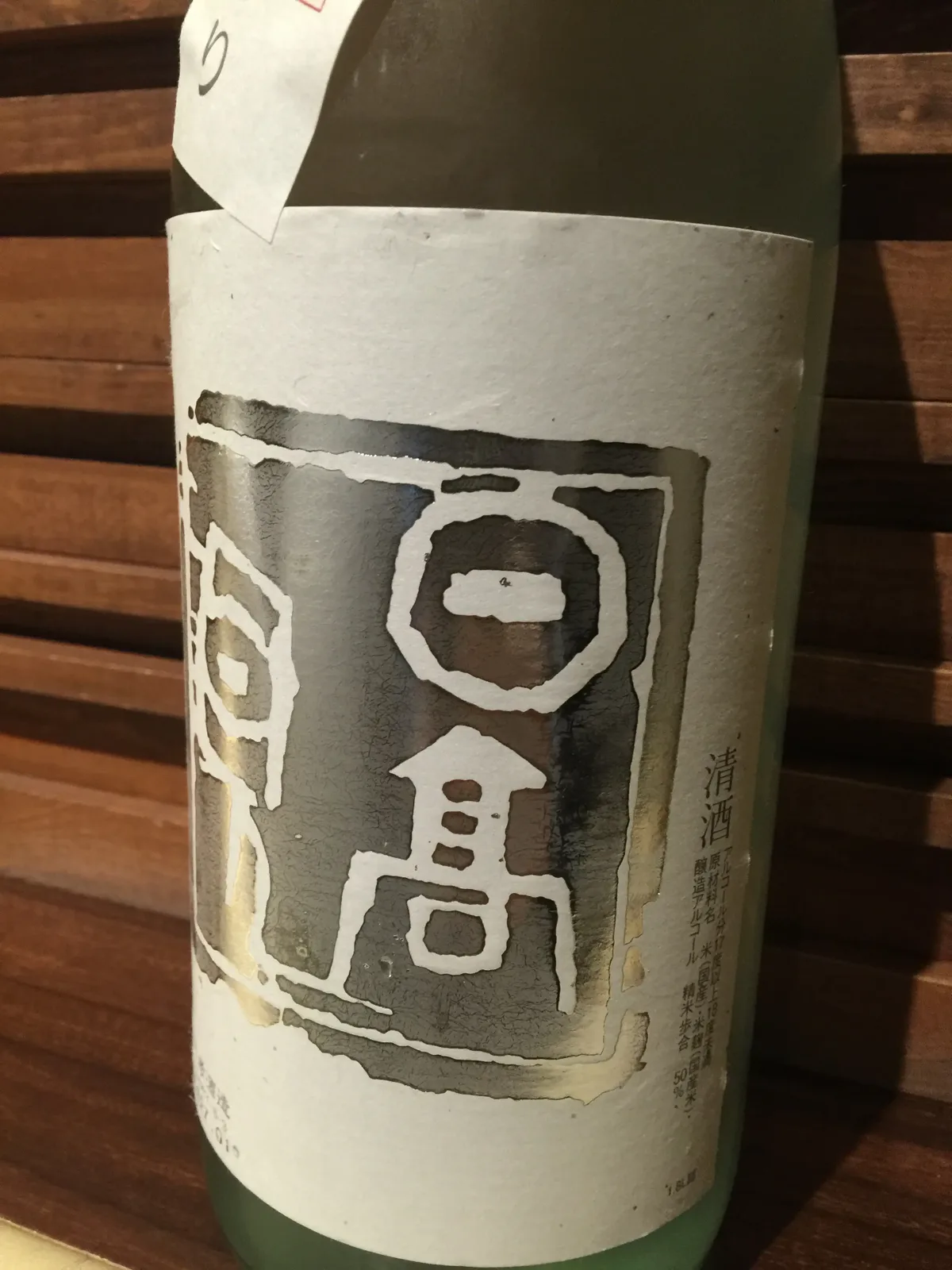
Ever since that night in Sendai, Hitakami has settled firmly into my daily life. I now keep it stocked at home through an Amazon subscription, and whenever I spot it on an izakaya menu, I cannot help but order it. A single glass on a journey can become a lifelong companion like this.
This, I believe, is the true joy of drinking local sake while traveling. Below, I will share tips for drawing such encounters your way.
Why Drink Local Sake While Traveling
Sake You Can Only Find Locally
The brands available nationwide represent only a fraction of what exists.
Many breweries ship most of their production to local markets. Sake you would never find in major cities sits casually on shelves at local izakayas and supermarkets.
Perfect Pairings with Local Cuisine
Local sake has evolved alongside each region’s food culture.
Sake from coastal breweries pairs well with seafood, while sake from mountain breweries complements wild vegetables and preserved foods. This is no coincidence. These pairings have been refined through generations of locals enjoying them together.
Meeting the Makers
When you visit a brewery, you may have the chance to meet the brewers themselves.
Learning about their passion for brewing and the rice they use transforms the sake into something more. The sake tastes different after you have heard their stories.
How to Enjoy Brewery Tours
Advance Reservations Recommended
Many breweries welcome visitors, but reservations are often required.
The brewing season (approximately October through March) offers a rare opportunity to witness the production process firsthand. Popular breweries fill up quickly, so book early.
What to Look For
Rice Polishing Room See how much of the rice grain is polished away. Even at the same brewery, different grades of sake have different polishing ratios.
Koji Room The room where koji is cultivated. Temperature and humidity are strictly controlled here. This is the most delicate step in sake brewing.
Fermentation Room The fermentation floor lined with large tanks. You may see the mash bubbling actively.
Storage Cellar Where sake ages and rests. Some breweries show aged sake that has matured for years.
Enjoying Tastings
Most tours conclude with a tasting session.
If you are driving, let them know in advance. Some breweries will give you small tasting bottles as souvenirs instead. If you can drink, try styles you would not normally choose.
Ask Questions
Brewers take great pride in their sake.
Ask questions like “What foods does this pair well with?” “What temperature do you recommend?” “What makes this sake special?” You will hear stories that never appear on the label.
Drinking at Local Izakayas
Finding Places with Good Local Sake Selection
Local shops frequented by residents often have better selections than famous tourist spots.
Ask hotel staff or local taxi drivers for recommendations on “places with good local sake.” You will discover authentic local flavors beyond the tourist circuit.
Tips for Ordering
Ask “Do you have local sake?” Many places stock sake from local breweries even if it is not on the menu. Ask and they may bring out a hidden gem. This very question is how I discovered Hitakami in Sendai. A single sentence can change the memory of an entire trip.
Ask “What do you recommend?” Staff know the pairings well. Decide on your food first, then ask “What sake goes well with this?” for the perfect match.
Request a tasting flight Many places offer small pours of several local sakes for comparison. It is a great way to try multiple brands.
Pairing with Local Dishes
When drinking local sake, enjoy local cuisine alongside it.
Coastal Towns Fresh seafood landed that day with local dry sake. The crispness of the sake enhances the natural sweetness of sashimi.
Mountain Regions Wild vegetables, river fish, mushrooms, and preserved foods. Full-bodied sake with rich umami pairs perfectly.
Snow Country Pickled vegetables, salt-cured salmon, sake lees-marinated dishes. Warm sake to heat your body on cold nights.
Choosing Souvenirs
Buying at the Brewery
Brewery direct sales offer unique finds.
Brewery Exclusive Sake Limited editions available only at the brewery. Small production runs that never enter general distribution.
Freshly Pressed Sake Newly pressed sake at peak freshness. Valuable precisely because you buy it on the spot.
Sake Lees A byproduct of brewing that adds wonderful flavor to cooking. Local sake lees are difficult to find elsewhere.
Buying at Local Liquor Shops
If there is no brewery nearby, visit a local liquor store.
Local Shops Are Treasure Troves Sake that never reaches national distribution sits casually on shelves. Ask the shopkeeper for recommendations.
Compare Multiple Breweries See sake from several regional breweries side by side. Some shops offer tasting sets.
Tips for Transporting
Temperature Control Unpasteurized sake especially requires refrigeration. Bring insulated bags and ice packs, or use delivery services.
Handle with Care Pack checked airline luggage carefully. Breweries and shops often offer shipping services for peace of mind.
Quantity Limits Airlines have limits on carry-on liquids. International flights have stricter rules. For large purchases, shipping is safest.
Sake Tourism Recommendations
Brewery Tours
Sake brewery tours have become increasingly popular in recent years.
Ponshukan (Niigata) Located at JR Niigata Station and Echigo-Yuzawa Station. Taste sake from Niigata’s breweries for a small fee.
Saijo Sake Brewery Street (Hiroshima) Seven breweries within walking distance of JR Saijo Station. Explore them all on foot.
Fushimi Sake Breweries (Kyoto) Museums from major brewers like Gekkeikan and Kizakura, plus jukokubune boat tours through the brewery district.
Nada Gogo (Hyogo) Japan’s largest sake producing region. Walk the brewery streets and visit multiple breweries.
Seasonal Events
Kura-biraki (Autumn through Spring) Breweries open to the public for new sake tastings and events. Local food vendors often participate.
Sake Festivals Regional events where multiple breweries gather. The Higashi-Hiroshima Sake Festival and Niigata Sake no Jin are famous.
Nihonshu no Hi (October 1st) Sake Day sees events nationwide. Many breweries offer special access.
Understanding Regions Through Local Sake
Drinking local sake reveals much about a place.
What rice grows there, what water flows through it, what cuisine has developed over time. Behind every glass lies the history and culture of that region.
Drinking local sake while traveling is one of the best ways to truly understand a place.
Summary
Consider adding “local sake” to your travel itinerary.
Book a brewery tour in advance, enjoy local sake with regional cuisine at an izakaya, and bring home a brewery exclusive bottle. Such a journey will become an unforgettable memory.
Delicious local sake awaits everywhere in Japan. Just as Hitakami became mine, you too will surely find “the glass you met in that one place.” On your next trip, seek out the sake of that region.
For more on Niigata’s local sake, see Niigata’s Japanese Sake.
For details on the two great brewing regions of Nada and Fushimi, see The Sake of Nada and Fushimi.