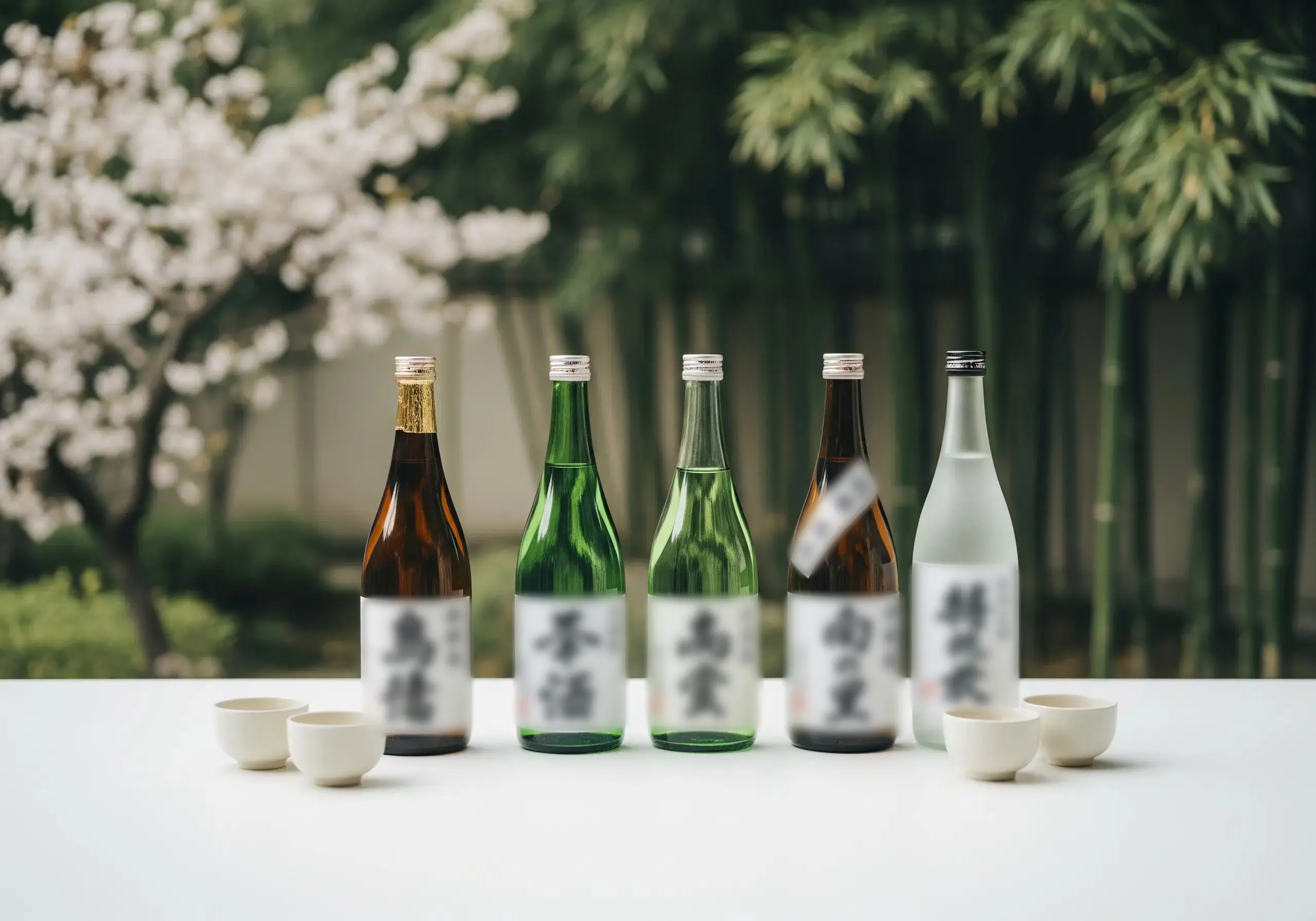
Sake and Sustainability: The Forefront of Environmentally Conscious Brewing
SDG initiatives, reducing environmental impact, and coexisting with local communities. Discover how the sake industry is embracing sustainable brewing practices for today and tomorrow.
Sake and Sustainability
Sake is born from the natural blessings of rice and water.
This is precisely why the sake industry cannot remain disconnected from environmental issues. Climate change affecting rice quality, water resource challenges, and energy consumption are all pressing concerns. The movement toward sustainable brewing practices is accelerating now more than ever.
Environmental Challenges Facing the Sake Industry
Climate Change Impact
Global warming is directly affecting sake rice cultivation.
Quality Decline Due to High Temperatures
- Increase in chalky, immature rice grains called “white immature kernels”
- Changes in starch quality
- Reduced suitability for sake brewing
Northward Migration of Growing Regions
- Cultivation beginning in Hokkaido, previously unsuitable for sake rice
- Difficulty maintaining quality in traditional production areas
- Need for developing new rice varieties
Water Resource Issues
Sake brewing requires enormous amounts of water.
Brewing Water
- Approximately 30 liters of water needed to produce 1.8 liters of sake
- Declining availability of high-quality groundwater
- Risk of water contamination
Cleaning Water
- Large volumes used for tank and equipment cleaning
- Wastewater treatment costs and environmental burden
Energy Consumption
Sake brewing, perhaps surprisingly, consumes significant energy.
- Rice polishing machine operation
- Steaming rice
- Temperature control heating and cooling
- Bottling and shipping processes
Brewery Sustainability Initiatives
Adopting Renewable Energy
Many breweries are transitioning to renewable energy sources.
Solar Power
- Installing solar panels on brewery roofs
- Self-generating power needed for brewing
- Selling surplus electricity
Biomass Energy
- Using sake lees and rice bran as fuel
- Achieving dual benefits of waste reduction
- Utilizing local wood for boiler fuel
Case Study: Environmentally Advanced Breweries Some breweries have achieved 100% renewable energy brewing. Carbon-neutral sake with zero CO2 emissions has emerged.
Water Recycling
Efforts to conserve water resources are expanding.
Rainwater Utilization
- Collecting rainwater for cleaning purposes
- Using it for applications other than brewing water
Wastewater Recycling
- Reusing purified water
- Using it for agricultural irrigation
Water-Saving Technologies
- Introducing high-pressure cleaning equipment
- Streamlining cleaning processes
Effective Use of By-Products
The movement to utilize rather than discard brewing by-products is growing.
Sake Lees (Sake Kasu)
- Sold as food products (kasuzuke pickles, amazake, etc.)
- Used as cosmetic ingredients
- Processed into animal feed and fertilizer
- Used as bioethanol feedstock
Rice Bran (Nuka)
- Produced during rice polishing
- Used in cosmetics and health foods
- Returned to farmland as fertilizer
Spent Yeast
- Used in health food ingredients
- Added to animal feed
Local Production for Local Consumption and Regional Partnerships
More breweries are deepening ties with their local communities.
Collaboration with Contract Farmers
- Contracting with local farmers for sake rice cultivation
- Reducing pesticides and chemical fertilizers
- Revitalizing abandoned farmland
Utilizing Local Resources
- Using local water, rice, and yeast
- Reducing transportation distances (lowering carbon footprint)
- Contributing to the local economy
Environmentally Conscious Sake Labels
Organic Sake
Sake made with organically grown rice is increasing.
JAS Organic Certification
- No pesticides or chemical fertilizers
- Meeting strict standards
- Identifiable by certification mark
Characteristics
- Lower environmental impact
- Image of safety and security
- Slightly higher price range
Natural Farming and Pesticide-Free
Using rice grown under even stricter standards than organic certification.
Naturally Farmed Rice
- No pesticides, chemical fertilizers, or herbicides
- Maximizing the power of the soil
- Limited production volume
Carbon Neutral Sake
Sake with zero CO2 emissions from production to shipping.
Initiatives Include
- 100% renewable energy
- Carbon offset utilization
- Lightweight bottle adoption
- Transportation optimization
Packaging Innovation
Weight Reduction
Lighter bottles directly reduce CO2 emissions during transportation.
Lightweight Bottles
- 20-30% lighter than conventional bottles
- Maintaining strength
- Also reducing transportation costs
Recycled Materials
Recycled Glass
- Bottles made from recycled glass
- More energy-efficient than new glass production
Paper Cartons
- Significantly lighter than glass bottles
- Easier to recycle
- Quality concerns being addressed
Refills and Bulk Sales
New sales formats reducing plastic and glass usage.
Bulk Sales
- Bring your own container
- Purchase only what you need
- Zero packaging waste
Returnable Bottles
- Collecting and reusing bottles
- Revival of traditional large bottle culture
International Trends
Global Interest in Sustainability
Interest in sustainability is even higher in overseas markets.
Europe
- Trust in organic certification
- Carbon footprint awareness
- Strict packaging regulations
United States
- Willingness to pay for sustainable products
- Demand for transparency
- Interest in B Corp certification and similar standards
Competitive Advantage in Exports
Environmentally conscious sake holds competitive strength in overseas markets.
- Ability to sell at premium prices
- Appeal to environmentally conscious consumers
- Increased restaurant adoption
What Consumers Can Do
Choose Environmentally Conscious Sake
Checkpoints
- Organic certification status
- Use of locally sourced ingredients
- Brewery environmental initiatives
- Packaging materials
Practice Local Consumption
Support Local Breweries
- Choose local sake with shorter transportation distances
- Purchase from local sake shops
- Buy directly during brewery tours
Recycle Bottles
Proper Recycling
- Sort bottles as recyclable glass
- Return large bottles to sake shops
- Labels don’t need to be removed
Enjoy in Moderation
Reduce Food Waste
- Purchase amounts you can finish
- Consume promptly after opening
- Use leftover sake in cooking
The Future of the Sake Industry
Integration with Technological Innovation
Sustainability and technology are increasingly merging.
AI Optimization
- Streamlining production processes
- Optimizing energy usage
- Quality prediction and waste reduction
IoT Sensors
- Real-time temperature management
- Water usage monitoring
- Preventive maintenance reducing losses
Entry of Younger Generations
Environmentally conscious young brewers are increasing.
New Values
- Environmental consideration as standard
- Emphasis on coexisting with local communities
- Transparent information sharing
Industry-Wide Initiatives
Movement is active not just at individual breweries but across the entire industry.
Industry Association Guidelines
- Establishing sustainability standards
- Information sharing and cooperation
- Consumer education activities
Conclusion
Sake is a drink born from nature’s blessings.
Protecting that nature and passing it on to the next generation could be called the sake industry’s mission.
Environmentally conscious brewing does have cost implications. However, many breweries are beginning to change now for the sake of the future.
As consumers, there are things we can do too. Choose environmentally conscious sake. Support local breweries. Enjoy in moderation.
For a future where we can continue to enjoy delicious sake forever. Let’s nurture a sustainable sake culture together.
For more about sake culture, see The History of Sake.
If you’re visiting local breweries, check out our Brewery Tour Guide.