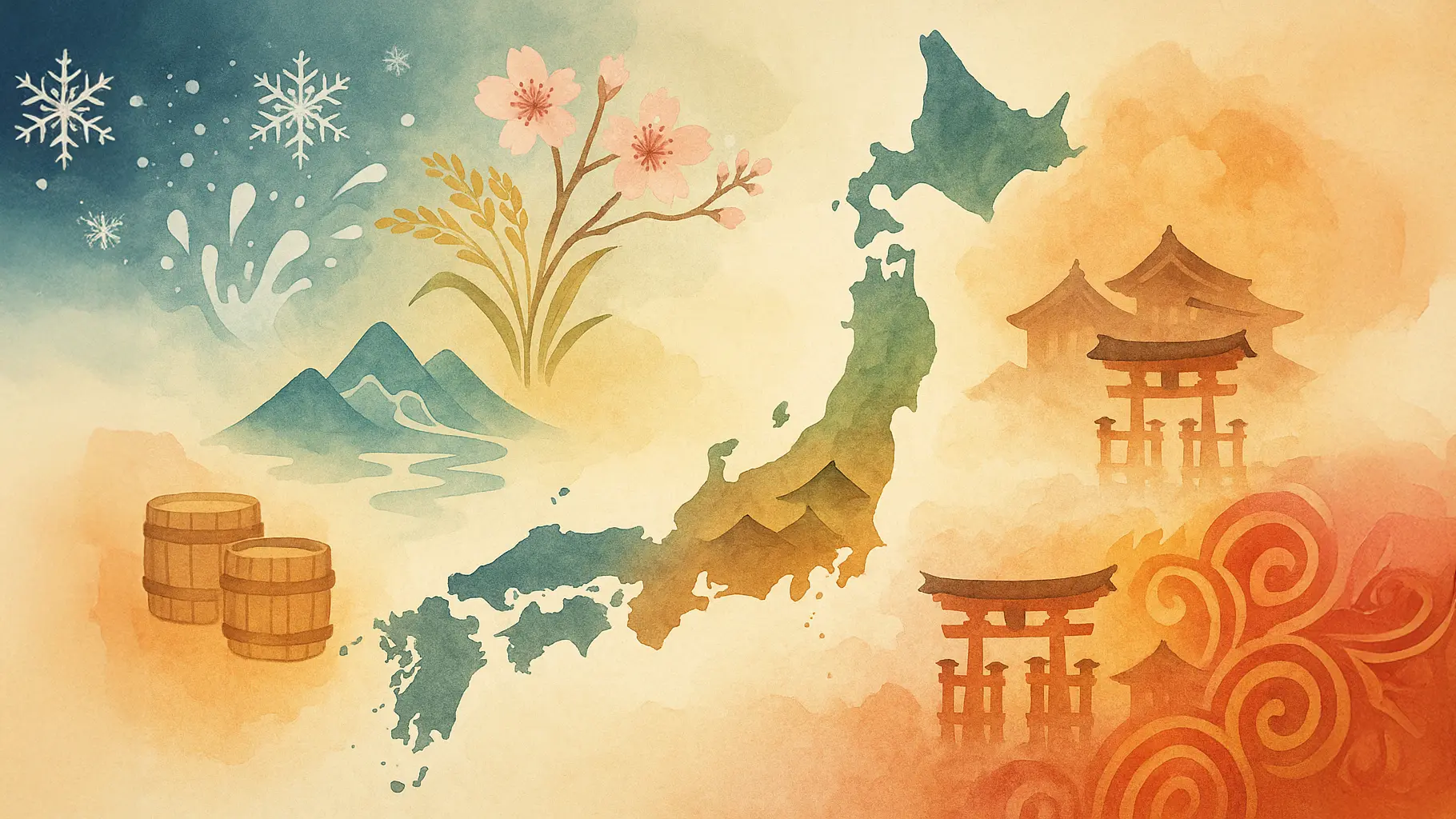
Regional Sake Styles Across Japan
Water hardness, winter cold, sake rice, and the people and institutions behind it all—a guide to how flavor changes from one region to the next, mapping the character of Akita, Yamagata, Fukushima, Niigata, Nagano, Nada, Fushimi, Hiroshima and other major producing areas.
Regional Sake Styles Across Japan
Strip sake down to its essentials and you are left with rice, water, and microbes. And yet the flavor changes unmistakably from one producing region to the next.
Sake from Niigata is light enough to vanish on the palate; sake from Nada is broad-shouldered and clean-finishing. Hiroshima is soft, Yamagata is fragrant and full. The range is wide enough that it seems strange to file it all under a single word.
Where does that difference come from, and how should you drink your way through it? What follows is a map of Japan’s producing regions drawn from the side of flavor.
Four Variables That Decide Flavor
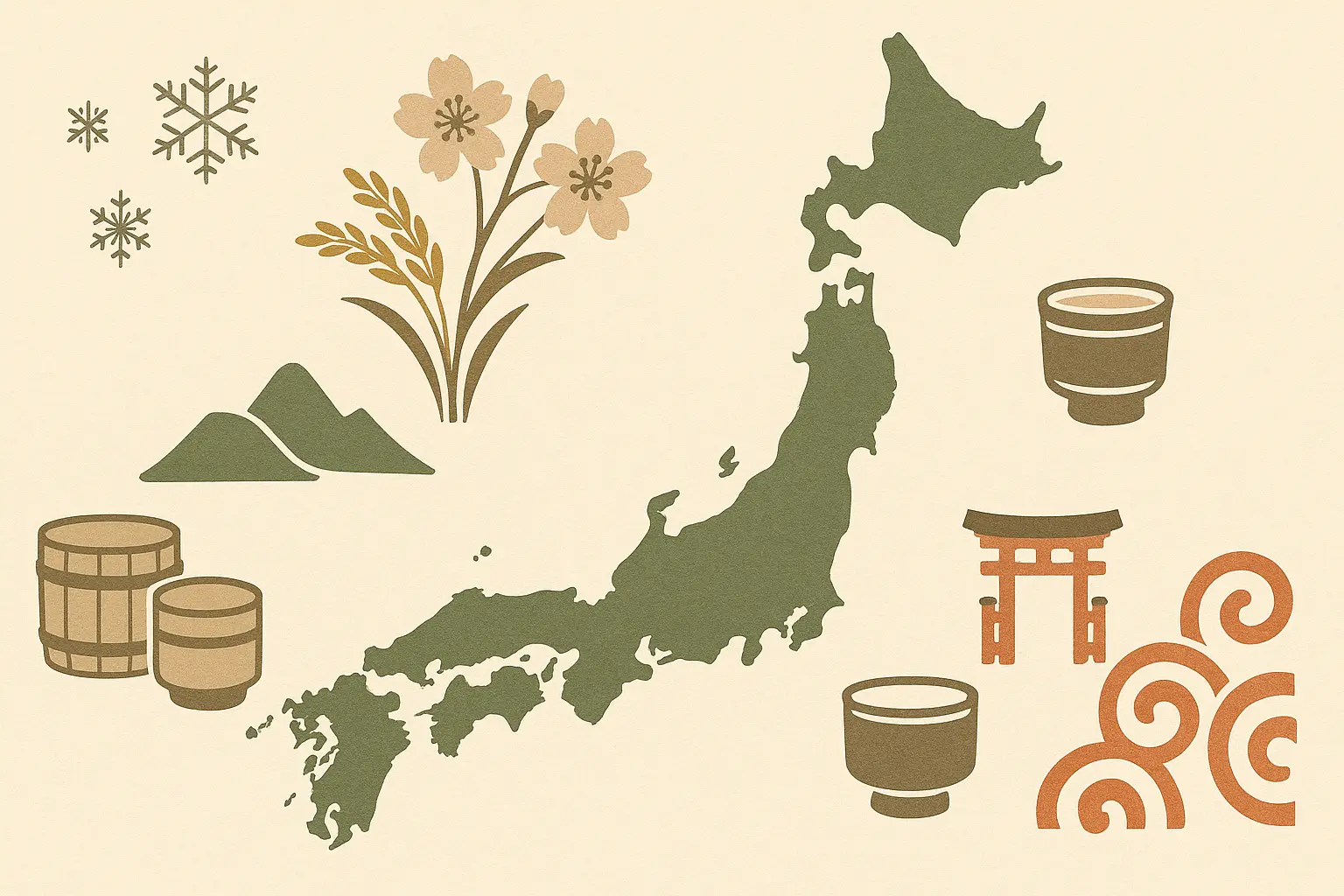
Regional differences can be explained, more or less, by four things.
1. Water—It Sets the Speed of Fermentation
The hardness of the brewing water is the first thing that points sake in a direction.
Hard water is rich in minerals such as potassium and phosphorus, which feed the yeast and the koji mold. With ample nutrition, fermentation runs strong and fast, little sugar is left behind, and the sake tends toward a crisp, dry finish. Nada’s miyamizu—the celebrated hard well water of the district—is the classic case, and it is the reason Nada sake earned the nickname “male sake.”
Soft water is the opposite: low in minerals, so fermentation slows. Left alone, sugar lingers and the sake turns heavy. But by making the koji with great care and fermenting long at low temperatures, brewers turn that same water into sake of fine texture and little coarseness. Hiroshima’s soft-water brewing method is the example of a disadvantage reversed by technique.
Water is covered in more depth in Sake and Water.
2. Climate—Cold Is a Resource
A cold winter is an advantage in brewing, not an obstacle.
At low temperatures, unwanted microbes struggle to multiply, and the moromi—the main fermenting mash of rice, koji, and water—can be fermented slowly. A long, unhurried fermentation produces fewer off-flavors and makes aroma easier to draw out. That is why the producing regions of Tohoku and Hokuriku are strong in ginjo brewing, the premium style made from highly polished rice. Akita’s long, low-temperature fermentation is the model case of cold turned into technique.
In the warmer regions of western Japan, brewers have compensated with temperature-control technology and yeast selection instead.
3. Rice—Every Region Has Its Own
Sake rice, too, does much to set the direction of flavor.
Yamada-nishiki (Hyogo) is the all-rounder, well balanced across sweetness, acidity, and aroma, and it is used for daiginjo across the country. Gohyakumangoku (Niigata) suits clean, light styles. Miyama-nishiki (Nagano) is adapted to cold climates and yields sake of fine, narrow line.
In recent years it has become standard for each prefecture to hold varieties of its own: Yamagata’s Dewasansan, Akita’s Akita Sake-komachi, Fukushima’s Yume no Ka, Hiroshima’s Hattan-nishiki. Owning your rice is also a strategy for protecting a region’s identity. For details, see Sake Rice Varieties.
4. People and Institutions—Flavor Is Made by Organizations
This is easy to overlook, and it may be the largest variable of the four.
The toji guilds—the master brewer collectives who enter the breweries for the winter season, of which Nanbu, Echigo, and Tanba are counted the three great ones—carry technique with them; prefectural research institutes develop yeasts and rice; industry bodies set standards. Sake quality rests not on individual skill alone but on regional machinery. The toji are discussed in The Work of the Toji.
The Regions Built the National Standard
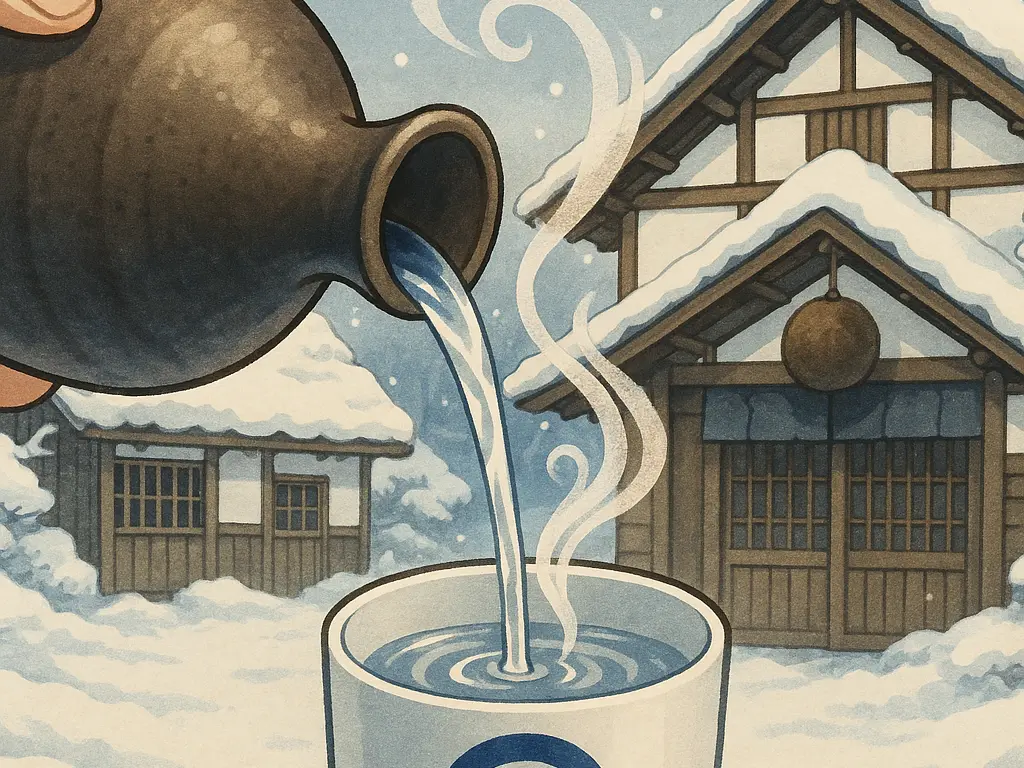
A producing region’s role is not only to brew its own sake. The standards for Japanese sake as a whole came out of particular regions.
The clearest case is kyokai yeast—the association yeasts distributed nationwide by the Brewing Society of Japan, isolated from the moromi of breweries that made outstanding sake and issued by number. Line up the origins of the principal numbers and the regional contribution becomes obvious.
- No. 6—isolated in 1930 from the moromi of Aramasa Shuzo in Akita City. The oldest yeast still distributed today, it ferments stably even at low temperatures
- No. 7—found in 1946 in the moromi of Miyasaka Jozo (Masumi) in Suwa. With fragrant aroma and strong fermentative power, it became the most widely used yeast of the postwar era
- No. 9—derived from the “Kumamoto yeast” isolated at the Kumamoto Prefectural Sake Research Institute, distributed from 1968. Its strength at low temperatures made it the yeast of choice for ginjo brewing
The Kumamoto Prefectural Sake Research Institute was founded in 1909 to raise the quality of the prefecture’s sake, and in 1919 it brought in Nojiro Kinichi as its first chief engineer. The house yeast of that institute later became the foundation of ginjo sake nationwide.
Which means that any ginjo you drink, anywhere in Japan, carries the work of Akita, Nagano, and Kumamoto inside it. Local sake is not sealed within its locality.
A Guide to the Regions
Tohoku—Cold, and Prefecture-Wide Design
Akita holds the technical system of long, low-temperature fermentation, and it is the land that produced No. 6 yeast. Its sake tends to have depth of umami with a soft outline. → Akita Sake
Yamagata assembled rice, yeast, and koji mold all from within the prefecture, and in 2016 became the first prefecture-level GI (geographical indication) designation in Japan—a protected regional origin mark. A “ginjo kingdom” of fragrant, richly flavored sake. → Yamagata Sake
Fukushima went from zero gold-medal breweries in 1990 to a run of nine consecutive years leading the National New Sake Appraising Competition in gold medals, on the strength of the Seishu Academy founded in 1992 to train brewers. The sake is delicate and well balanced. → Fukushima Sake
Hokuriku and Koshin—Snowmelt and High Ground
Niigata is the byword for tanrei karakuchi, the light and dry style. Soft water, Gohyakumangoku, and snow-country cold together produce clean sake free of coarseness. → Niigata Sake
Nagano has roughly 80 breweries, the second-largest count in the country, and in 2002 created Japan’s first appellation of origin control system. Altitude gives its sake a clear character. → Nagano Sake
Ishikawa is the home base of the Noto toji, and much of its sake is firm in umami. → Ishikawa Sake
Kansai—Two Great Regions in Contrast
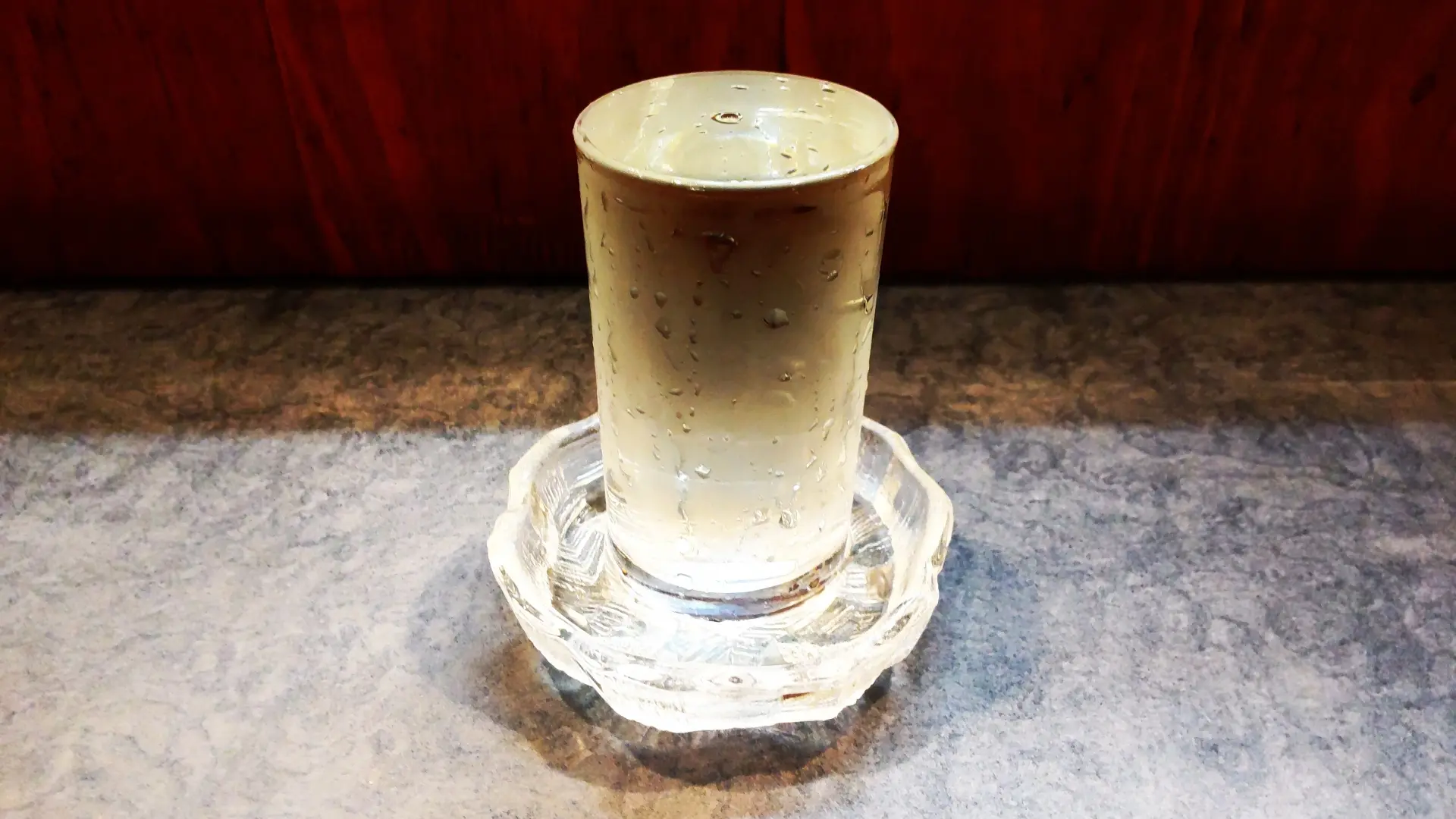
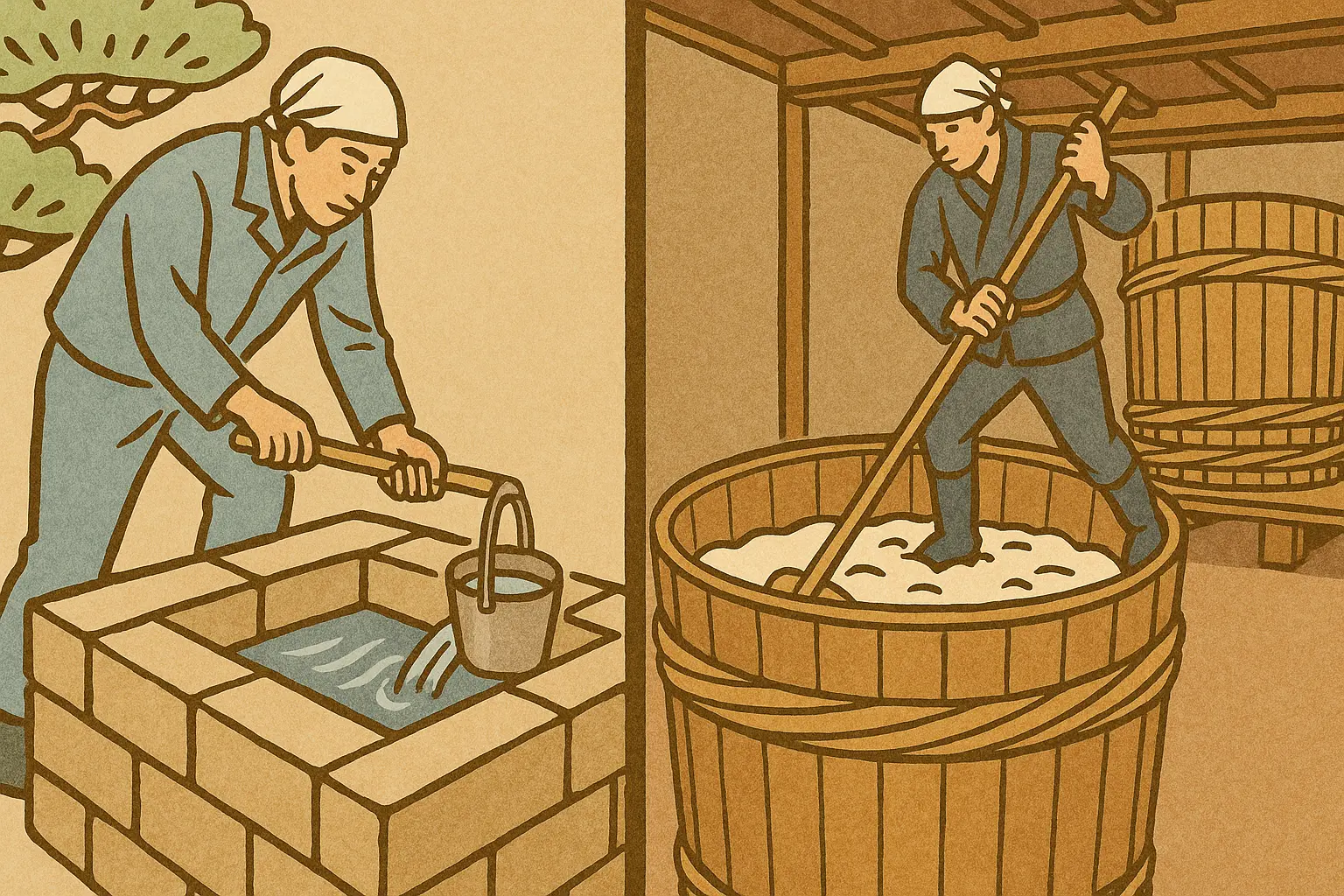
Nada (Hyogo) brews powerful dry sake with hard miyamizu. As the shipping hub that sent sake to Edo, it grew into Japan’s largest producing region. Fushimi (Kyoto) works with medium-hard water for a softer sake built to sit alongside Kyoto cuisine. Taste the two side by side and the mechanism by which water becomes flavor is unmistakable. → Nada and Fushimi
Chugoku and Shikoku—The Soft-Water Lineage
Hiroshima is where Miura Senzaburo’s soft-water brewing method overturned the received wisdom that good sake could not be made with soft water. Soft and fine-textured, its sake became the prototype for ginjo brewing. → Hiroshima Sake
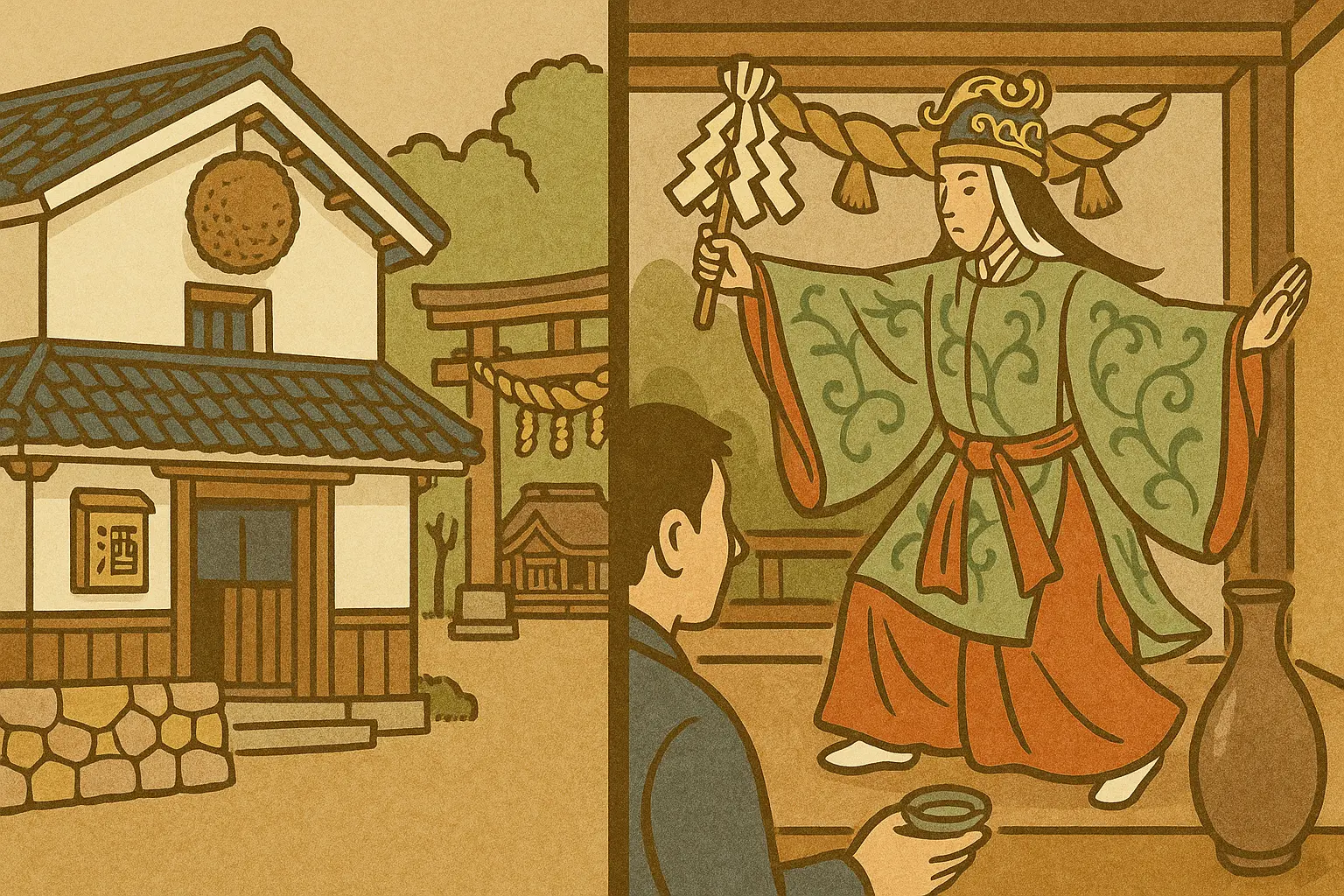
Shimane is a region that moves with the culture of Izumo, and much of its sake is dense and full-bodied. Okayama is known as the main growing area for Omachi, and offers the depth of flavor that only this old sake rice gives.
Kyushu—The Southern Region That Gave Us a Yeast
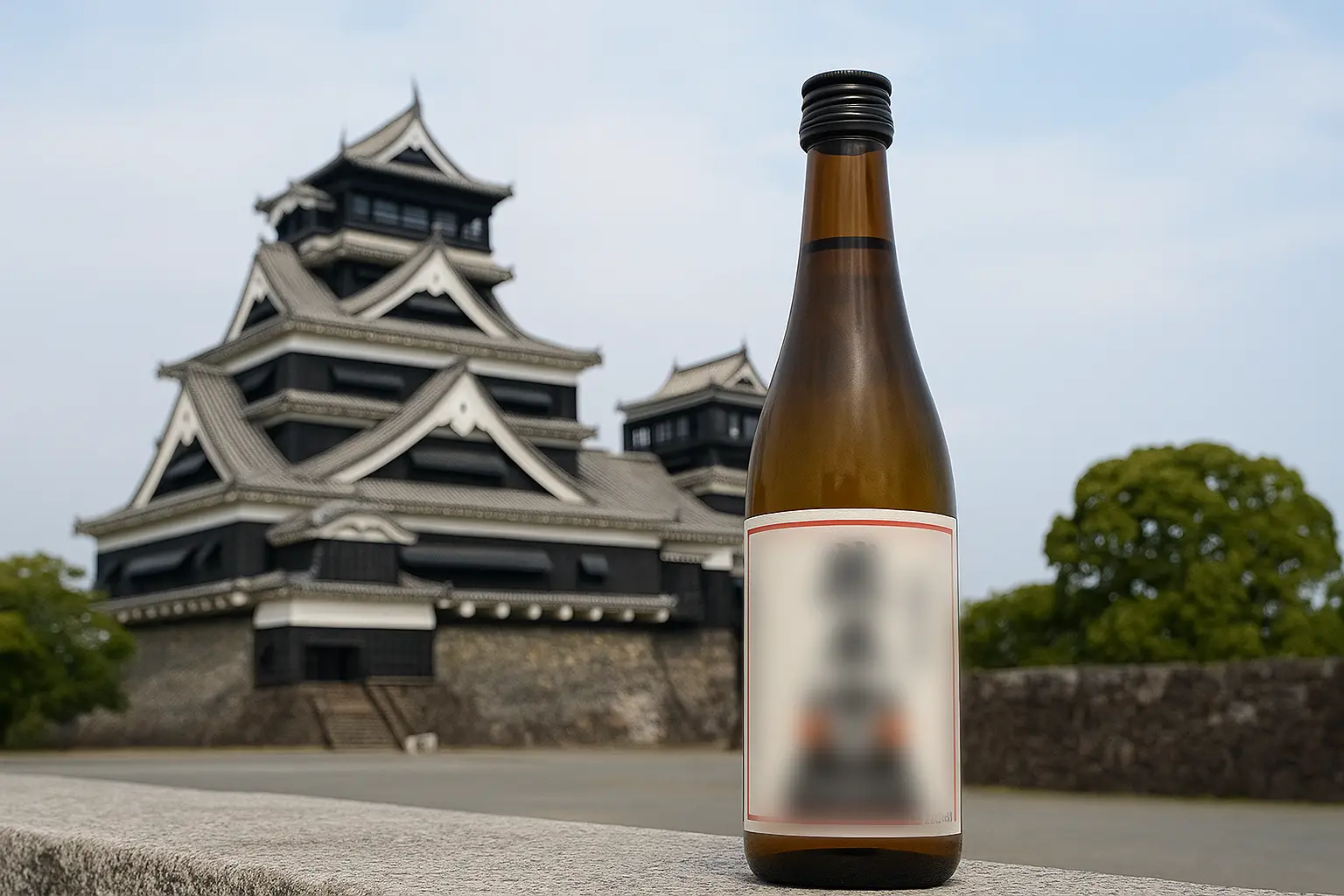
Kumamoto, as noted above, is the birthplace of No. 9 yeast (Kumamoto yeast). Its sake is fragrant and light, with the Kumamoto Prefectural Sake Research Institute, brewer of “Koro,” at the center of it.
Saga has risen in reputation in recent years. Much of its sake carries firm sweetness and aroma, and brands such as Nabeshima have won recognition at international competitions. Kyushu is strongly associated with shochu, but it holds a distinct position as a sake-producing region as well.
Hokkaido—A New Producing Region
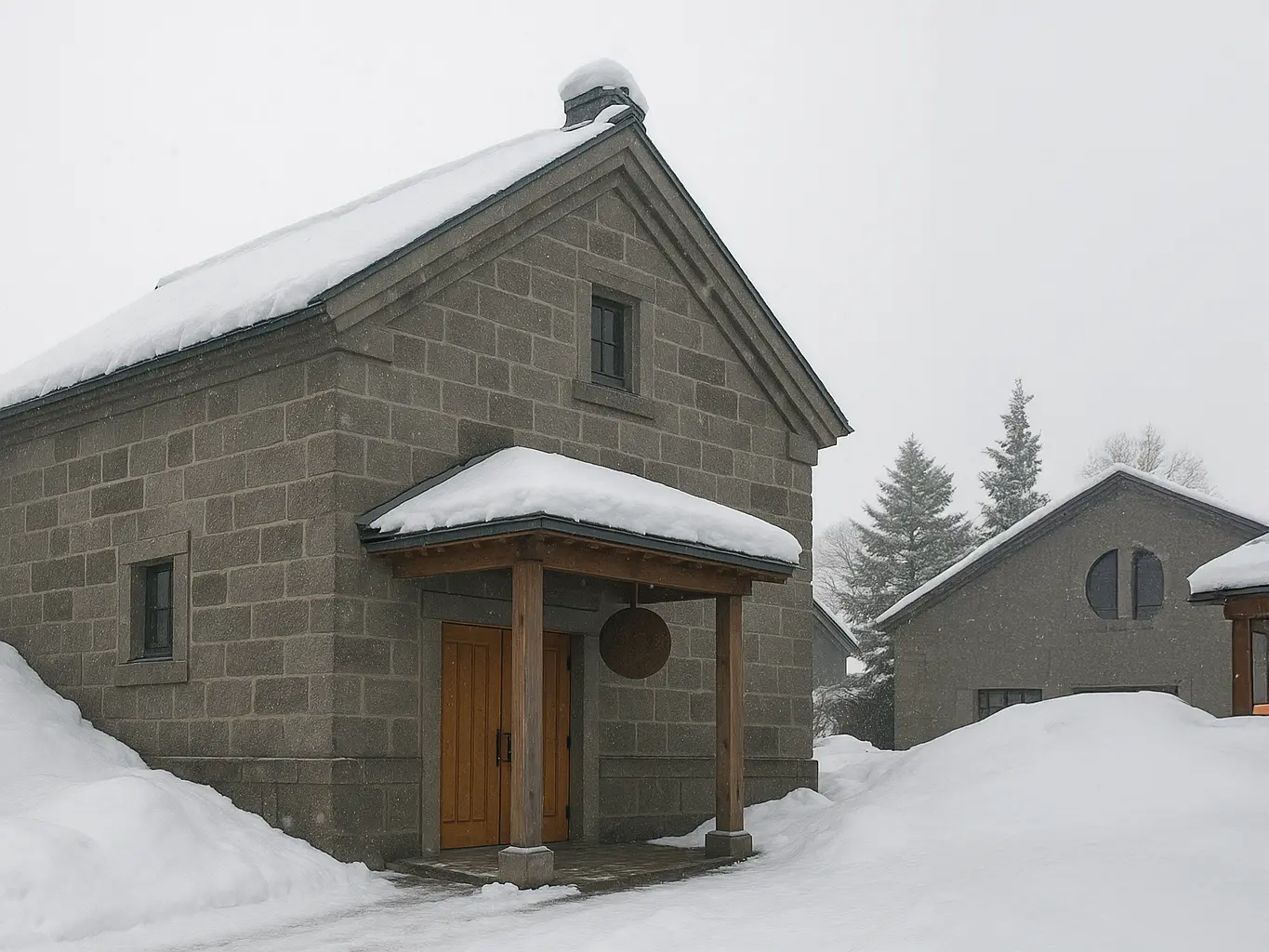
Its winters are the harshest in the country, an ideal environment for low-temperature fermentation. Its history is not as long as that of the Honshu regions, but development of local sake rice and the founding of new breweries have moved forward, and its standing has risen steadily in recent years.
How to Design a Comparative Tasting
To understand regional difference through flavor, the fastest route is to fix an axis of contrast and pour two bottles side by side. The outlines come through far more sharply than they do when you drift through several varieties.
Axis 1: Water hardness—Nada against Hiroshima. This is the combination in which the strength of hard water and the softness of soft water show themselves most plainly.
Axis 2: Design philosophy—Niigata’s light-and-dry against Yamagata’s rich and aromatic. Two snow countries in eastern Japan, aiming in opposite directions.
Axis 3: Same rice, different brewery—line up sake built to a shared specification of rice, yeast, and koji mold, such as Yamagata’s DEWA33, across different breweries. With the conditions held fixed, only the difference in brewing rises to the surface.
Axis 4: Temperature—drink the same bottle chilled and warmed. A region’s character looks different at different temperatures, and hard-water and kimoto-style sake—kimoto being the traditional, labor-intensive starter method—often change impression entirely when warmed.
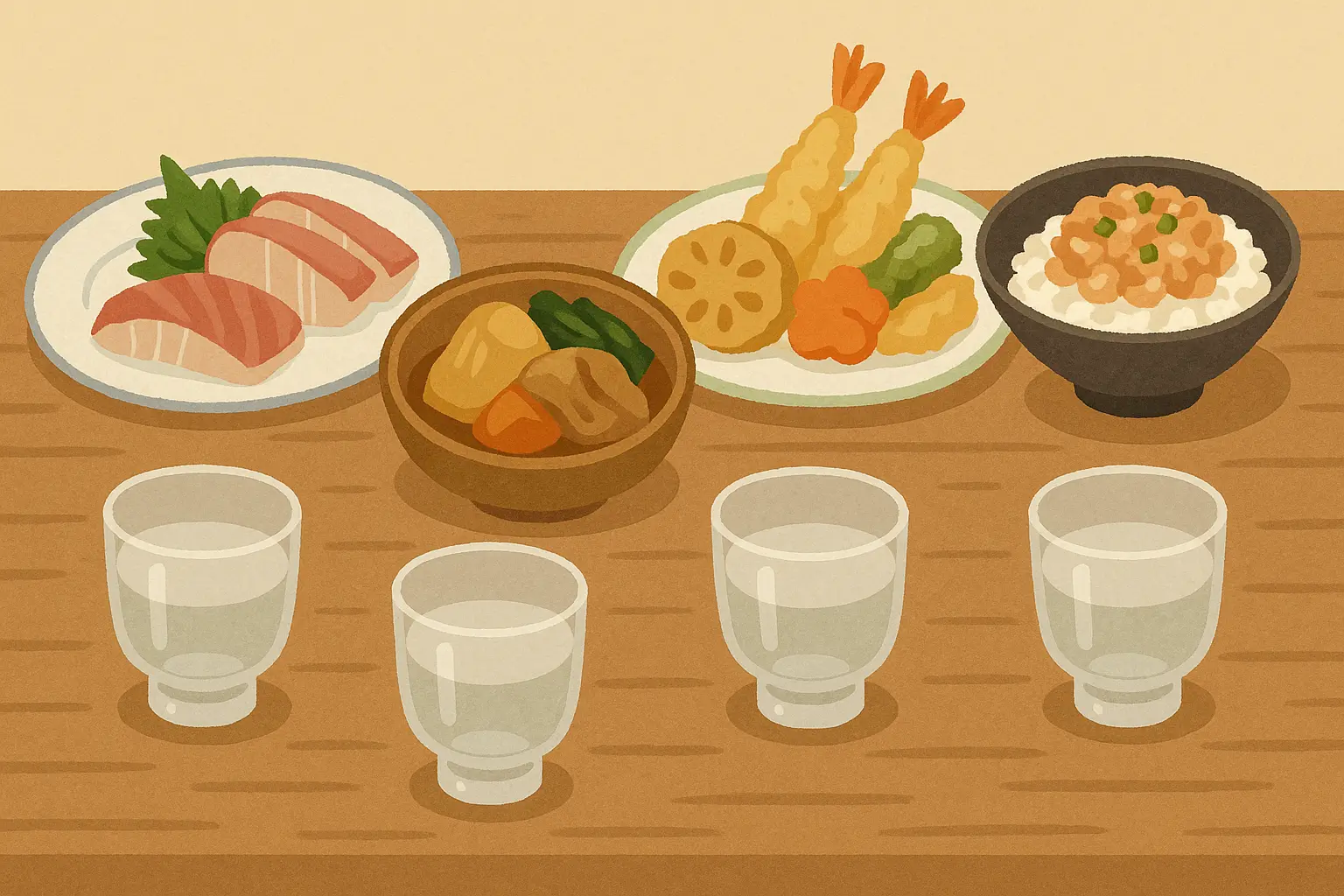
Regional Sake Belongs With Regional Food
The flavor of local sake developed alongside what people ate in that place. When you are unsure how to pair, take the region’s own cooking as your reference point.
- Tohoku—imoni, kiritanpo, kozuyu. Dishes built on dashi and soy sauce want an umami-rich junmai served warm
- Niigata and Hokuriku—nodoguro, hegi-soba, kabura-zushi. Light sake washes away the fish oil without interfering with the flavor of fermented foods
- Kansai—for Nada, rich grilled fish or sukiyaki; for Fushimi, yudofu or clear soups. Even within Kansai the pairings diverge
- Chugoku and Setouchi—oysters, small sardines, conger eel. Soft-water sake meshes with delicate seafood
- Kyushu—karashi renkon, basashi, braised pork belly. Aromatic sake stands up to strong flavors
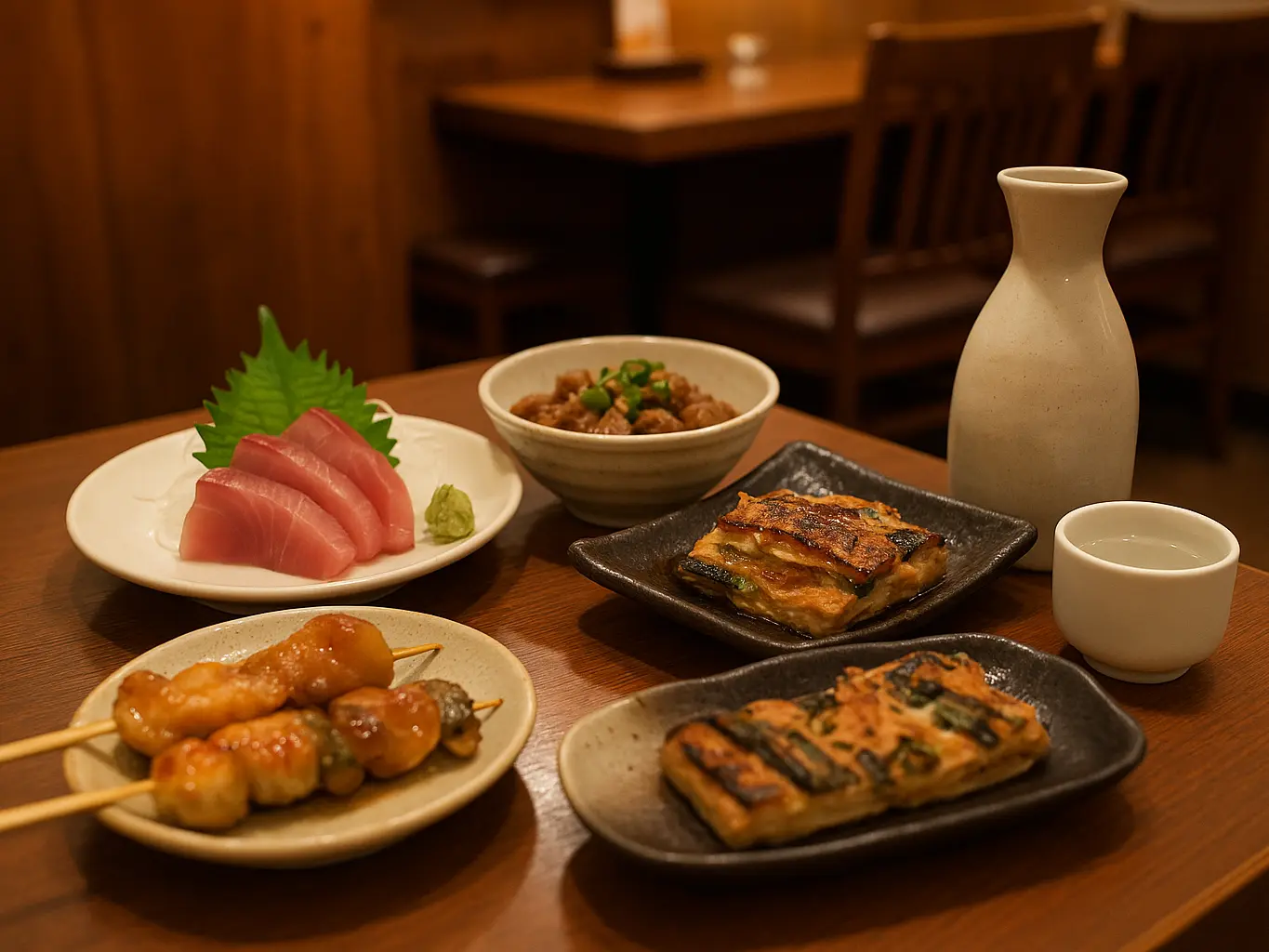
How to Begin Exploring Local Sake
Start by choosing one region and drinking several bottles from it. Digging into a single region tells you more about its character than sampling one bottle each from all over.
Once that region’s personality comes into view, move to its opposite. Niigata to Yamagata, Nada to Hiroshima. The greater the gap, the sharper each outline becomes.
The seasons are a guide too: new sake in spring, unpasteurized sake in summer, hiyaoroshi—sake pasteurized once and matured over the warm months—in autumn, freshly pressed sake in winter. Even sake from the same brewery ships in different condition depending on the season, so following a region through the year deepens what you understand of it.
The flavor map of Japanese sake is made of water hardness, winter cold, rice variety, and human organization laid one over another. It is certainly true that the land decides the flavor—and just as true that the techniques of particular lands became the national standard.
The next time you choose a bottle, look at the region named on the label. Folded into it are the conditions and the choices that place has accumulated.
Sake and Water, Sake Rice Varieties, and The Work of the Toji will also help you understand regional differences.