Your First Sake: A Beginner's Guide to Choosing Your First Bottle
A guide for first-time sake drinkers. From choosing your first bottle to easy-drinking recommendations and basic knowledge. Supporting your first steps into the world of sake.
Your First Steps into the World of Sake
You want to try sake. But you don’t know what to choose.
There are too many types. You can’t read the labels. You have no idea which one suits you.
For beginners facing these challenges, here’s how to choose your first bottle.
Essential Basic Knowledge
What Is Sake?
A traditional Japanese brewed alcohol made from rice, rice koji, and water.
Alcohol content is typically around 15-16%. Higher than beer (around 5%) but lower than whisky (around 40%).
Main Types
No need to overthink. Just remember these three for now.
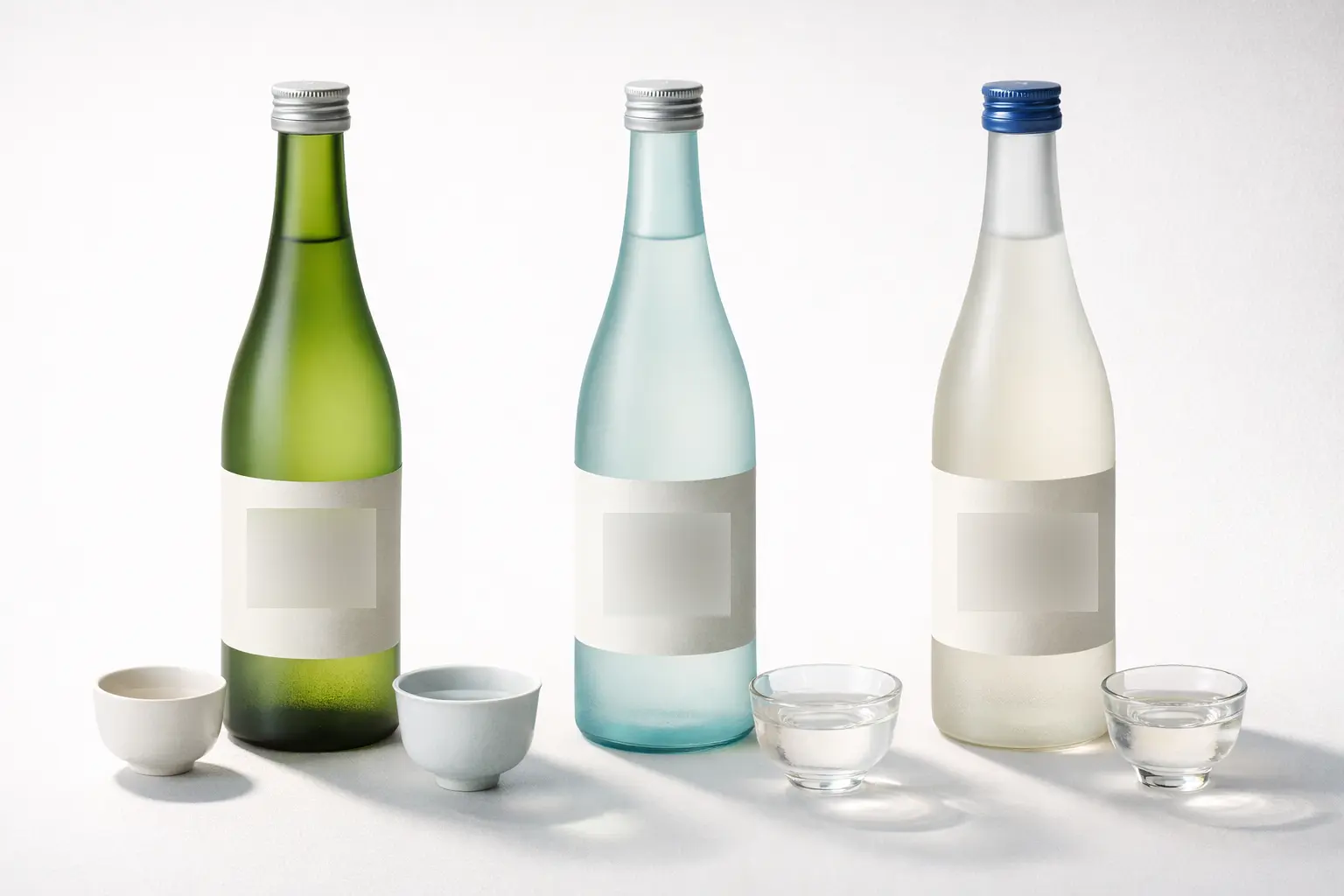
Junmai-shu Made only with rice and rice koji. Rich rice umami flavor.
Ginjo-shu Made with highly polished rice. Known for elegant, aromatic fragrance.
Honjozo-shu A small amount of alcohol is added. Clean, crisp taste.
Sweet and Dry
Sake comes in “sweet” (amakuchi) and “dry” (karakuchi) styles.
Sweet (Amakuchi) More residual sugar. Mellow and easy to drink. Recommended for beginners.
Dry (Karakuchi) Less residual sugar. Clean and crisp. Pairs well with food.
Note: “Dry” doesn’t mean spicy. It means a drier taste profile.
Recommended Selection Methods for Beginners
1. Start with “Junmai Ginjo”
For your first bottle, we recommend “Junmai Ginjo.”
Why:
- Aromatic and easy to drink
- Rich rice flavor is well present
- Good balance with minimal quirks
- Refreshing when served chilled
“Junmai Daiginjo” is even more aromatic but also more expensive. Junmai Ginjo is perfect for starting out.
2. Choose by Alcohol Content
Standard sake is 15-16%, but lower alcohol options exist.
Low Alcohol Sake (8-12%)
- Similar to wine
- Light and easy to drink
- Ideal for beginners
Sparkling Sake (5-8%)
- Champagne-like bubbles
- Fruity and slightly sweet
- Surprisingly easy to drink
3. Start with Famous Brands
When in doubt, starting with well-known brands is safe.
Easy-to-Find Popular Brands
- Dassai: Fruity and easy to drink
- Kubota: Clean, crisp taste
- Hakkaisan: Well-balanced dry style
- Jozen Mizunogotoshi: As the name suggests, smooth like water
These are available at supermarkets and liquor stores nationwide, with consistent quality.
4. Choose by Budget
¥1,000 range (720ml) Affordable for everyday enjoyment. Plenty of delicious options available.
¥2,000-3,000 range For when you want something special. A bottle for special occasions.
¥4,000 and above Might be too much for a first bottle. Try after you know your preferences.
Where to Buy
Supermarkets and Convenience Stores
Advantages
- Convenient to purchase
- Clear pricing
- Major brands available
Disadvantages
- Limited selection
- No expert advice
Specialty Sake Shops
Advantages
- Wide selection
- Staff can offer recommendations
- Local and limited editions available
Disadvantages
- May feel intimidating
- Slightly higher prices
Our recommendation is to take the plunge and visit a specialty shop. Say “I’m new to sake” and they’ll kindly guide you.
Online Shops
Advantages
- Browse at your leisure at home
- Reviews are helpful
- Access to regional brands
Disadvantages
- Shipping costs may apply
- Can’t see the actual product
Basics of Drinking Sake
Temperature
Chilled (5-10°C) Best for beginners. Gentler aroma and easier to drink. Junmai Ginjo is delicious when chilled.
Room Temperature (15-20°C) When you want to fully appreciate the rice flavor.
Warmed (40-50°C) Heated sake (kan-zake). Might be challenging at first. Try after gaining some experience.
Glassware
A regular glass works fine to start.
If you have a wine glass, it enhances the aroma. Traditional ochoko or guinomi cups can wait until you know your preferences.
Portion Size
Start with small amounts.
One go (180ml) is the standard unit, but start with half that (90ml). Enjoying at your own pace is what matters.
Tips for Drinking
Drink Slowly
Sake has higher alcohol content than beer. Savor it slowly.
Drink Water Alongside
Drinking water (called “yawaragi-mizu”) with sake helps prevent hangovers. Ideally, drink equal amounts of water and sake.
Pair with Food
Drinking on an empty stomach speeds up intoxication. Always have something to eat.
Go at Your Own Pace
No need to force yourself. Just drink what tastes good to you.
Tips for Finding Your Preferences
Learn Taste Descriptors
After drinking sake, try to put your impressions into words.
- Sweet / Dry
- Fruity / Rice-forward
- Light / Rich
- Strong aroma / Subtle aroma
Repeating this helps you understand your preferences.
Try Several Types
It’s rare that your first bottle is “the one.”
Try different brands and types, and you’ll discover your preferences. Tasting sets at izakaya are also great.
Keep Notes
Recording what you drank and your impressions helps clarify your preferences. Use your phone’s notes or an app.
Frequently Asked Questions
Does Sake Make You Gain Weight?
In moderation, it’s fine. Sake has similar calories to beer. Just don’t overdo it.
How Much Until I Get Drunk?
It varies, but many people feel “pleasantly tipsy” after one go (180ml). Know your limits.
How Long Does an Opened Bottle Last?
About 1-2 weeks refrigerated. But best to drink soon after opening. Aroma and flavor gradually change.
Does Sake Have an Expiration Date?
There’s no legal requirement to display one, but drinking within one year of production is recommended. For nama-zake (unpasteurized), within 3 months.
Summary
Starting with sake isn’t difficult.
For your first bottle, choose a chilled Junmai Ginjo from a famous brand. That’s all you need.
Then gradually try different brands. Preferences vary from person to person. There’s no right answer.
Enjoy the world of sake at your own pace. A wonderful encounter surely awaits.
For more about sake, check out How to Order Sake at an Izakaya.