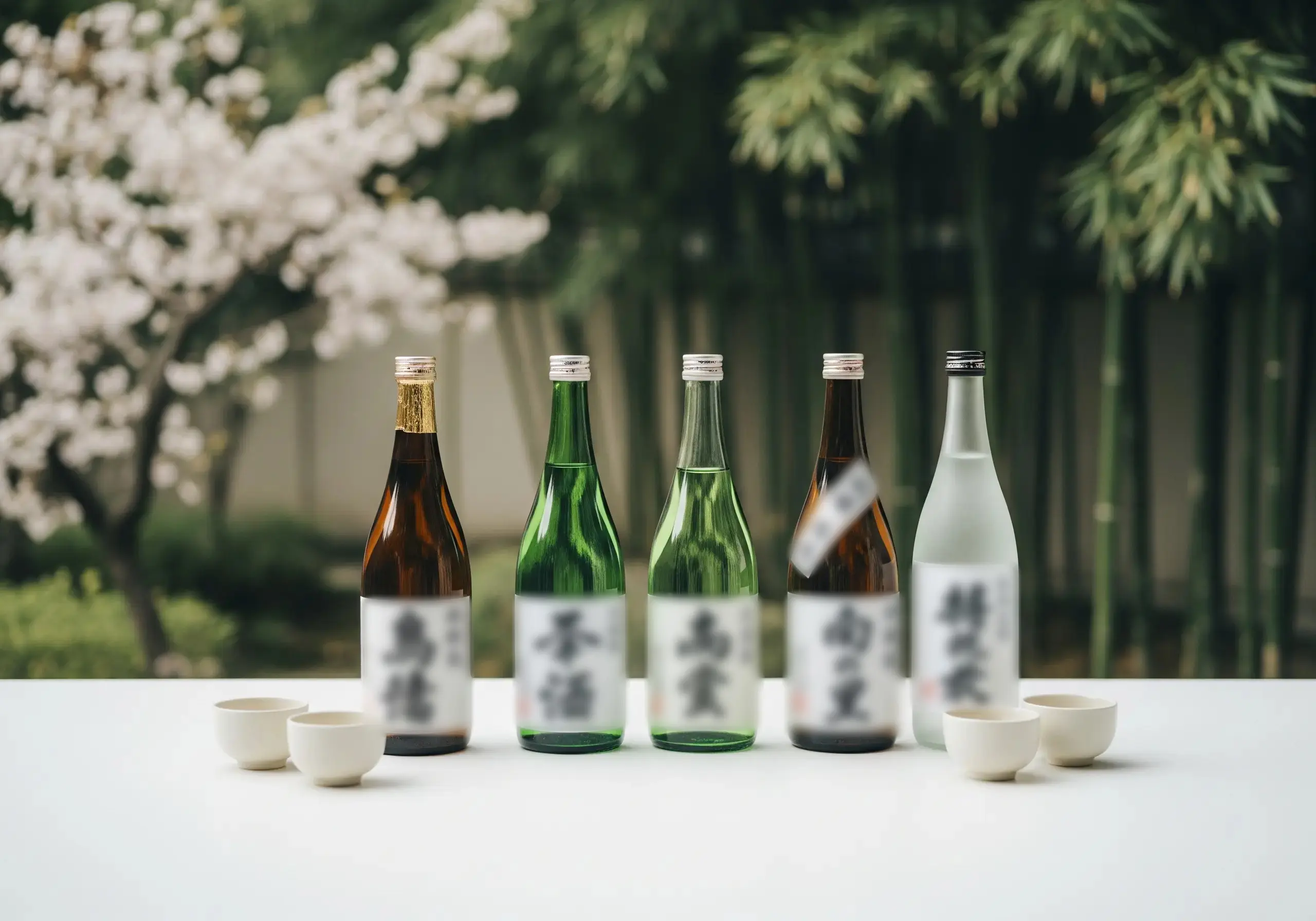
Sake & Camping/Outdoors: How to Transport and Enjoy
Learn how to enjoy sake while camping and outdoors. We cover transportation tips, choosing the right sake, and ways to enjoy it in nature.
Sake & Camping/Outdoors
Savoring a cup of sake while gathered around a campfire——.
Sake enjoyed in nature has a special deliciousness that cannot be experienced indoors. Here are tips for enjoying sake while camping and outdoors.
The Appeal of Enjoying Sake Outdoors
The Luxury of Tasting in Nature
Campgrounds, mountain climbing, picnics——sake enjoyed in nature is exceptional.
Enjoy with All Five Senses
- The sound of the campfire
- Under the starry sky
- The scent of the forest
- The murmur of the river
In nature, the taste of sake feels even deeper.
Pairing with Food
Outdoor cooking and sake are a perfect match.
Foods That Pair Well
- BBQ meat dishes
- Fish grilled over a campfire
- Dutch oven cooking
- Camp meals in general
Even simple dishes become something special when paired with sake.
Time with Friends
Camping is a time for conversation with friends.
Time spent gathered around sake, gazing at the campfire, becomes irreplaceable memories.
Tips for Transportation
Choosing the Right Size
For outdoor activities, ease of transport is important.
Recommended Sizes
- 300ml: Easy for one person to finish
- 180ml (one-go bottle): Small and light
- 720ml (four-go bottle): Share with multiple people
For mountain climbing where you want to minimize luggage, choose small containers; for car camping, even a four-go bottle is fine.
Types of Containers
Glass Bottles
- Taste doesn’t change easily
- Risk of breaking
- Heavy
Cans
- Light
- Won’t break
- Easy to chill
Pouches/Paper Cartons
- Lightest weight
- Won’t break
- Easy to dispose of
Transfer Methods
You can also transfer from glass bottles to other containers.
Recommended Containers
- Flask (metal hip flask)
- Plastic bottles
- Lightweight water bottles
Points to Note
- Use clean containers
- Drink soon after transferring
- Be aware that oxidation progresses quickly
Keeping It Cool
If you want to enjoy chilled sake, keeping it cool is important.
Cooling Methods
- Use a cooler box
- Use ice packs
- Cool in a river or stream
- Use an insulated bag
Nature’s Refrigerator If there’s a clear stream or snow patch, use it as nature’s refrigerator. However, be careful that containers don’t get swept away.
Preventing Damage
When bringing glass bottles, be careful about breakage.
Precautions
- Wrap in a towel
- Use cushioning materials
- Use a dedicated sake bag
- Avoid contact with other luggage
Sake Suited for Outdoors
Sake That’s Delicious at Room Temperature
For outdoor activities without refrigeration, sake that’s delicious at room temperature is convenient.
Recommendations
- Junmai-shu (many are suited for room temperature)
- Honjozo
- Aged sake (koshu)
It’s best to avoid nama-zake (unpasteurized sake). It’s sensitive to temperature changes and deteriorates easily.
Sake That’s Delicious Warmed
The appeal of outdoors is being able to warm sake with a campfire or burner.
Sake Suited for Warming
- Junmai-shu
- Honjozo
- Yamahai/Kimoto-style brewed sake
- Any sake suited for room temperature
Canned Sake
Canned sake is ideal for transportation.
Advantages
- Light
- Won’t break
- Easy to chill
- Can drink directly from it
In recent years, high-quality canned sake has been increasing.
One-Cup/Cup Sake
For convenience, one-cup sake is also an option.
Advantages
- Secure with a lid
- Can drink directly from it
- Affordable price
- Easy to find
A staple for mountain climbing and hiking.
Warming Sake Outdoors
Warming Over a Campfire
Warming sake over a campfire creates an exceptional taste.
Method
- Pour sake into a heat-resistant container
- Place beside the campfire (avoid direct flame)
- Warm slowly
- Drink when it reaches your preferred temperature
Points to Note
- Don’t let it boil
- Don’t expose to direct flame for too long
- Be careful of burns
Warming by Hot Water Bath
For more careful warming, use a hot water bath.
Method
- Boil water in a pot or sierra cup
- Place the tokkuri or cup with sake in the hot water
- Warm slowly
- Remove when it reaches your preferred temperature
Portable Sake Warmers
Outdoor sake warmers are also available.
Types
- Direct-fire compatible tokkuri
- Small tabletop sake warmers
- Lightweight titanium tokkuri
Temperature Guidelines
Outdoors, you often don’t have a thermometer.
Guidelines
- Nurukan (40°C): Feels warm
- Jokan (45°C): Firmly warm
- Atsukan (50°C): Feels hot
The easy way is to check by touching with your finger.
Choosing Sake Vessels
Outdoor-Friendly Sake Vessels
Titanium Cups
- Lightweight
- Durable
- Some are direct-fire compatible
- Hard to feel temperature
Stainless Steel Cups
- Durable
- Easy to clean
- Relatively affordable
Silicone Cups
- Foldable
- Lightweight
- Won’t break
Wooden Cups (Mug Type)
- Great atmosphere
- Nice mouthfeel
- Good heat retention
Using Sierra Cups
The standard “sierra cup” for mountain climbing and camping is also excellent as a sake vessel.
Advantages
- Multi-purpose (can also be used for meals)
- Lightweight
- Direct-fire compatible
- Convenient with a handle
Break-Resistant Tokkuri
There are also tokkuri made of break-resistant materials for outdoor use.
Materials
- Titanium
- Stainless steel
- Wood
- Ceramic-style plastic
Seasonal Enjoyment
Spring: Cherry Blossom Viewing Camp
Enjoying sake under the cherry blossoms.
Recommendations
- New sake/Shiboritate
- Fruity ginjo-shu
- Sparkling sake
Summer: Mountain Stream Camp
Sake chilled in the river is the best.
Recommendations
- Summer sake (refreshing type)
- Ginjo suited for chilled drinking
- Crisp junmai-shu
Autumn: Fall Foliage Camp
Pairing autumn flavors with sake.
Recommendations
- Hiyaoroshi
- Junmai-shu with aged character
- Sake to drink warmed
Winter: Snow Camp
Warming up by the campfire while enjoying heated sake.
Recommendations
- Junmai-shu suited for warming
- Yamahai/Kimoto-style brewed sake
- Shiboritate (even chilled)
Pairing with Outdoor Cooking
BBQ
Sake that pairs well with meat fat.
Recommendations
- Dry junmai-shu
- Crisp honjozo
- Acidic kimoto-style sake
Campfire Cooking
Sake that enhances smokiness.
Recommendations
- Aged junmai-shu
- Warmed sake
- Rich, full-bodied sake
River Fish/Seafood
For simple fish dishes.
Recommendations
- Light ginjo-shu
- Chilled junmai-shu
- Crisp types
Camp Hot Pot
Hot pot dishes pair perfectly with sake.
Recommendations
- Warmed junmai-shu
- Umami-rich sake
- Any sake pairs well
Precautions and Etiquette
Managing Alcohol Intake
In nature, you may get intoxicated more easily than usual.
Precautions
- Higher altitudes make you drunk more easily
- Fatigue makes you drunk more easily
- Don’t forget to stay hydrated
- Drink at your own pace
Safety
Safety first when outdoors.
Points to Note
- Be careful with fire handling
- Acting while intoxicated is dangerous
- Be cautious when moving at night
- Be especially careful near rivers and cliffs
Taking Trash Home
Always take empty bottles and cans home with you.
Etiquette
- Take trash home
- Don’t pollute nature
- Leave it cleaner than when you arrived
Consideration for Others
Be considerate of other campers.
Etiquette
- Don’t shout
- Don’t make noise until late hours
- Enjoy quietly
Recommended Situations
Toast After Mountain Climbing
Having a drink at the summit or mountain hut.
Recommendations
- Lightweight canned sake
- One-cup sake
- Small bottles
Campfire Time
Drinking slowly while gathered around the campfire.
Recommendations
- Sake to drink warmed
- Aged sake
- Relaxed sake suited for conversation
Stargazing
Quietly enjoying a drink while watching the stars.
Recommendations
- Aromatic ginjo-shu
- Sparkling sake
- A special bottle
Morning Drink
A wake-up drink in the morning, in nature (just a small amount).
Recommendations
- Refreshing ginjo-shu
- Crisp types
- Sake satisfying in small amounts
Summary
Key points about sake and outdoor activities:
Transportation Tips
- Choose small containers
- Cans and pouches are convenient
- Don’t forget to prevent breakage
Recommended Sake
- Junmai-shu delicious at room temperature
- Sake suited for warming
- Canned sake
Ways to Enjoy
- Warm over a campfire
- Chill in nature
- Pair with outdoor cooking
Sake enjoyed in nature is an exceptional experience. On your next camping trip, please try bringing some sake along.
For more about sake serving temperatures, see Serving Temperatures.
For sake at home parties, see Home Party.