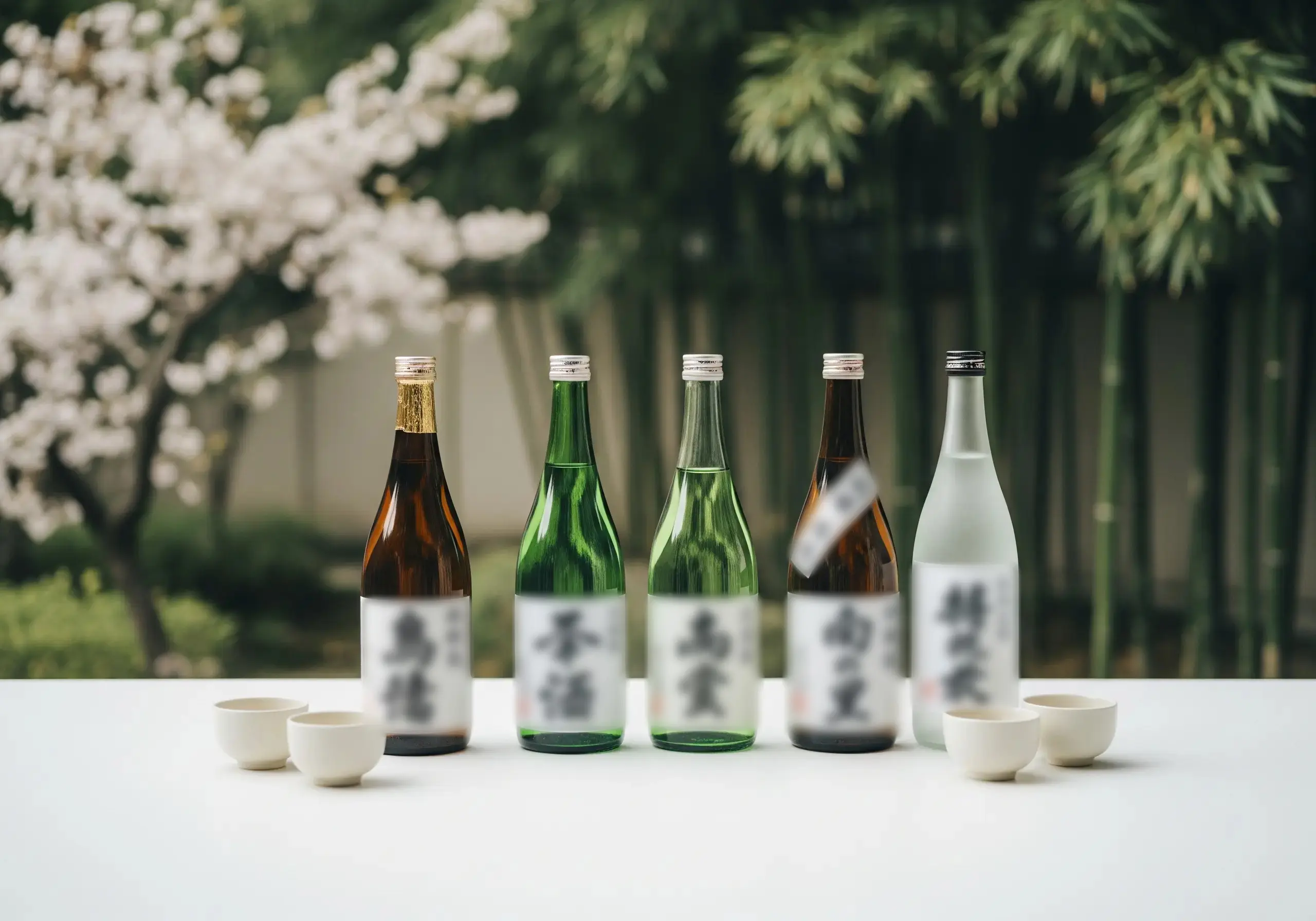
A Beginner's Guide to Sake for Women
A beginner's guide to sake for women who want to start enjoying Japanese sake. Learn how to choose easy-to-drink brands, ways to enjoy sake, and its connection to beauty from a woman's perspective.
It’s Not “An Old Man’s Drink”
“I fell for sake at a friend’s wedding after-party”—it’s a story you hear surprisingly often. Someone brings sparkling sake, and it’s a revelation: fizzy like champagne, sweet, and fruity. “Wait, this is sake?”
For many women, the image of sake is “that clear, bitter-looking liquid older guys drink at izakayas”—not something they’d ever think to try themselves.
But one glass of sparkling sake can be the gateway. Before long, the weekend routine becomes “what should I drink tonight?”
Your First Bottle
For women who have a mental block against sake, sparkling sake is the best place to start.
Mio is available at convenience stores. At 5% alcohol, it’s practically juice. Most people are surprised: “This is sake?” Around ¥500 for 300ml. Easy to try.
Suzune from Ichinokura brewery is another sparkling option. Finer bubbles than Mio, slightly more sophisticated. Bring it to girls’ night and it’s sure to start a conversation.
Once sparkling sake makes you think “maybe I can do sake,” you’re ready for the next step.
Moving to Fruity Sake
After getting comfortable with sparkling, try fruity ginjo sake.
Dassai is perfect for beginners. It has apple and pear aromas, none of that “sake smell.” Available at convenience stores and supermarkets.
Dewazakura Oka Ginjo from Yamagata. Gorgeous fragrance, reasonable price. Ask for “something fruity” at a sake specialty shop and this is often what gets recommended.
Hououbiden from Tochigi. It has an aroma like ripe mango. So many people drink this and think “sake can smell this good?”
What they all have in common: they shine when chilled and the aroma opens up. Chill thoroughly in the fridge and drink from a wine glass.
Sweet or Dry?
Lots of people order “dry please,” but actually sweet is easier for beginners.
“Dry” in sake is like dry wine. Less residual sugar, clean taste. Not “spicy,” but if you’re not used to it, it can feel thin.
Sweet means residual sugar and a rounder mouthfeel. Many have fruit-like sweetness. It leaves a good first impression of sake.
Saying “something sweet and easy to drink” and letting them choose is the trick to not going wrong.
The Beauty Connection
Apparently sake has some good stuff for your skin.
Amino acids—Sake contains about 20 types. Said to have moisturizing effects, which supposedly explains why brewery workers have beautiful hands.
Kojic acid—Comes from the koji. It suppresses melanin production, expected to have brightening effects.
There are actually lotions and face masks made with sake ingredients. Some breweries make their own cosmetics.
But drinking too much backfires. “For beauty” isn’t a license to overdo it. About one go (180ml) per day is appropriate.
About Calories
Honestly, sake has a fair amount of calories. One go (180ml) is about 190kcal. Slightly more than a medium beer (500ml).
But in reasonable amounts, you don’t need to stress.
If you’re drinking a go or so, two or three times a week, it’s not going to make you gain weight. The stress relief might actually be healthier overall.
If you really worry about it, distilled spirits like shochu or whiskey have zero carbs. But the gorgeous aroma and flavor of sake is unique to fermented beverages. It would be a shame to give that up.
If You Worry About Hangovers
Some people say sake gives them bad hangovers.
The cause is usually drinking too much, or low-quality sake.
Yawaragi-mizu prevents a lot of problems. One sip of sake, one sip of water. Repeat. Even pros do this.
Don’t drink on an empty stomach. Eat while you drink, take your time.
Avoid the cheapest stuff. Cheap sake tends to cause worse hangovers. Pick junmai or ginjo over ¥1,500 and you’ll feel better the next day.
Girls’ Night with Sake
A bring-your-own-sake girls’ night is a fun, easy way to explore.
Try a single rule: “something with a cute label.” That’s it.
You’ll end up with pop illustrated bottles, stylish designs, unusual shapes. Bottles chosen by looks alone often turn out delicious anyway.
Sake design has evolved. It’s not all “traditional and austere” anymore. Plenty of labels are Instagram-worthy.
If you don’t know how to choose, choosing by looks is one valid method.
Visiting a Brewery
If you want to go deeper, I recommend visiting a brewery.
Actually go to the brewery and watch sake being made. Peer into the tank and watch the fermentation bubble. Taste sake fresh from the press.
At some breweries, the toji (master brewer) will explain the process in person. “This yeast creates that aroma”—hearing that kind of thing changes how you taste sake.
It’s fun as tourism too. Walk around the town with the brewery, eat the local food, drink the local sake. Breweries make great destinations for girls’ trips.
Some People Even Get Certified
People who get really into sake sometimes get certified.
Nihonshu Kentei (Sake Certification) tests your knowledge. Levels 5 through 1, achievable with study.
Kikisake-shi (Sake Sommelier) tests your tasting ability. It’s professional level, but hobbyists get it too.
SAKE DIPLOMA is certified by the sommelier association. Internationally recognized.
You don’t have to aim for certification, but a little study doubles your enjoyment. “This is Niigata’s clean dry style,” or “This is yamahai so the umami is strong”—you start to get it.
What Changes After Falling for Sake
A few things tend to change once you get into sake.
When someone asks “what are you having?” at a party, you find yourself saying “sake.” Then someone else says “me too.” Sake lovers are everywhere.
When traveling, you start looking for breweries. Drinking local sake makes the trip memorable.
You start thinking about food pairings. “This sashimi needs something clean.” “Cheese calls for a junmai with umami.” Thinking about this while eating is fun.
Sake is a hobby that makes life a little richer.
For more about starting your sake journey, see How to Choose Your First Bottle.
For more about sake and beauty, see our detailed guide on Sake and Beauty.