Gen Z and Sake: New Approaches Reaching Younger Audiences
As younger generations drift away from sake, the industry is finding new ways to connect. Discover what appeals to Gen Z values and the innovative approaches being taken.
The “Old Man’s Drink” Misconception
“Sake is what old guys drink, right?”
This is a common refrain among people in their early twenties. To many of them, sake means “something old people drink from tiny cups at izakayas.” Nothing glamorous, nothing stylish about it.
But that image is simply out of date.
The sake world has changed dramatically in the past decade. Young brewers making new kinds of sake. Labels as modern as wine bottles. Instagram-worthy sake emerging one after another.
The problem is that this isn’t reaching younger people.
The Real Reason for Sake’s Decline
Gen Z (born late 1990s to early 2010s) drifting from sake. What’s causing it?
In most cases, it’s not that they “don’t like sake.” They don’t know sake.
No habit of drinking sake at home. Beer or chu-hai at parties. No opportunity to encounter sake in the first place.
When they do encounter it, the first experience is often bad. A senior forces cheap sake on them at a party. Terrible hangover the next day. “Sake = hangover” gets imprinted.
That’s not sake’s fault. It’s how it was drunk. But once an image sticks, it’s hard to shake.
An Industry Starting to Change
The sake industry knows they can’t keep going like this.
Young brewers are making moves. There are breweries younger drinkers deserve to know about.
Aramasa is symbolic.
The label design is different to start with. Their “No.6” series is just numbers and letters. Simple. Doesn’t look like traditional sake. On a shelf, you’d think it was wine.
The taste is different too. Fruity, with a refreshing acidity. “Is this really sake?” people often ask.
A small Akita brewery became famous through social media, now one of the hardest-to-find brands. Young brewers’ challenges are creating new fans.
Why “Instagram-Worthy” Matters
Gen Z gets their information from Instagram and TikTok. Whether something is “gram-worthy” matters more than you’d think.
This isn’t a joke.
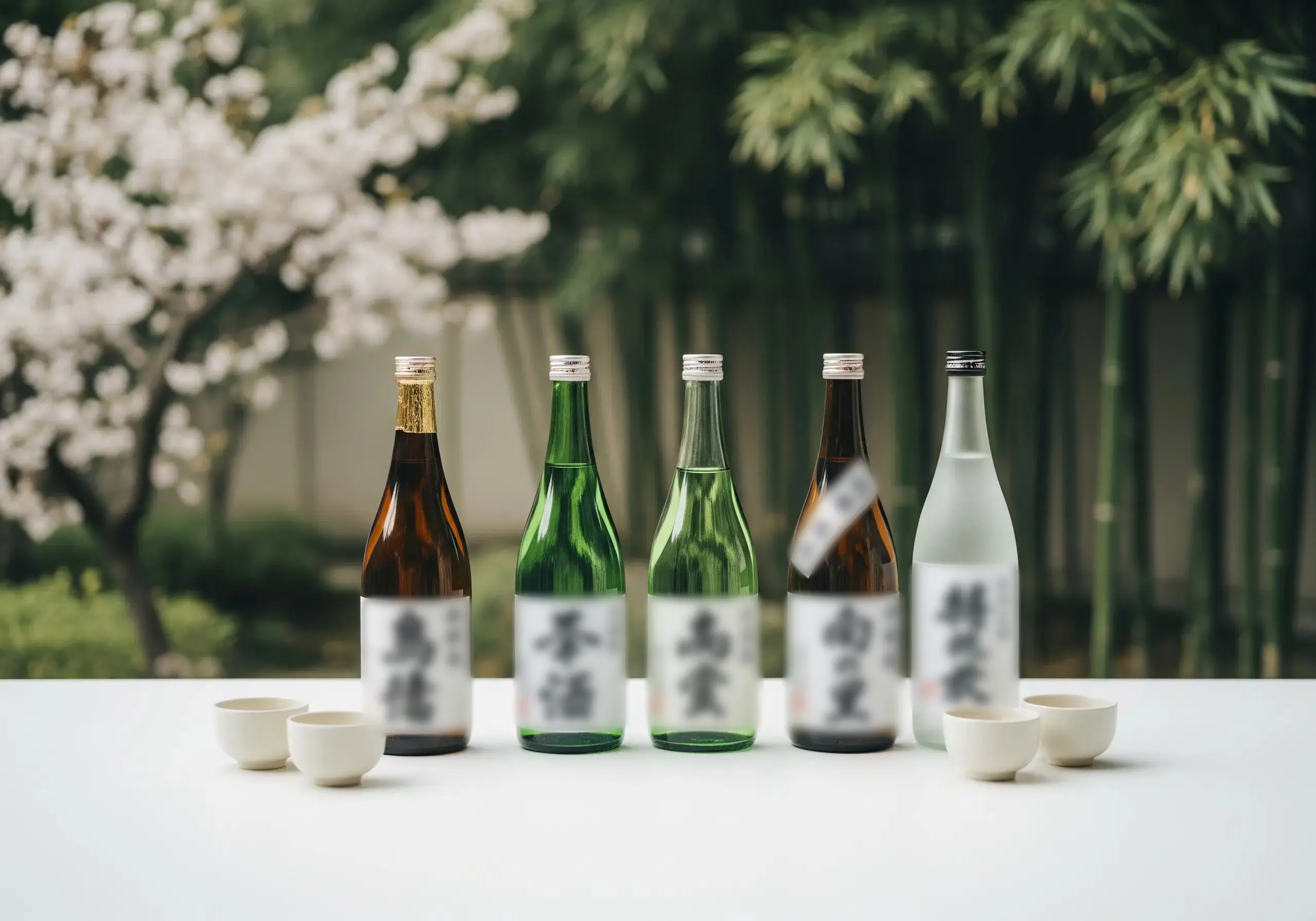
Traditional sake labels are calligraphy and kanji. Distinguished and tasteful, but to people in their twenties, they look “dated.” Nothing that makes you want to try it.
New breweries get this.
Pop illustrated labels. Colorful bottles. Designs that make you want to take a photo. If it makes someone think “what’s this?” the first hurdle is cleared.
Great contents don’t matter if no one picks it up. Design is the gateway, not a compromise.
Evolution Toward Accessibility
“Sake is strong” is another barrier.
Regular sake is 15-16%. Over three times beer. For many, the first sip hits hard.
So lower-alcohol sake is increasing.
Around 8-10%. Sparkling sake. Fruit-flavored options. Lowering the entry barrier.
Mio is a prime example. At 5% alcohol, it’s sweet and easy. Available at convenience stores. It’s almost questionable whether to call it “sake”—that’s how different it tastes.
Some call this “heresy.” But I think the lower the entry point, the better. Someone who starts with Mio might eventually find their way to junmai daiginjo.
A Generation That Seeks Experiences
Gen Z is said to spend money on “experiences” over “things.” They value experiences.
Brewery visits meet this need.
Hear the brewer’s story while watching the production process. Taste freshly pressed sake on-site. Fresh sake is a completely different product from what’s distributed.
Even among young people who have never set foot in a brewery, it’s common to hear “there was one on social media that looked stylish—I’d visit that one.”
That’s a fine way in.
The Power of Story
Younger generations are drawn to the story behind a product.
Who made it, why, how. Whether they can connect with that narrative.
There’s a sake called Tenbi. A young female toji makes it. She took over a brewery on the verge of closing and started making sake alone. That story of challenge resonated on social media.
The sake is good too. But it’s more than that. The feeling of “I want to support this person” drives purchases.
Drink However You Want
“This is how you should drink sake” doesn’t fly with younger generations.
Chilled is fine. On the rocks is fine. Mixed with soda is fine. In a cocktail is fine.
Gen Z doesn’t care about being called “heresy.” If it tastes good to them, that’s enough. A generation with diverse values.
The sake industry is catching up. Some breweries officially publish cocktail recipes. More are putting out the message “drink it however you like.”
The Sake Bar as a Gateway
A sake specialty bar is one of the best places to reach that first glass.
At the counter, the sommelier asks “what kind of flavors do you like?” Answer “sweet,” and a few candidates appear: a fruity junmai ginjo, a sparkling sake, a kijoshu to pair with dessert. You can explore one glass at a time, guided by your own taste.
From young people visiting a sake bar for the first time, one reaction comes up again and again: “This is completely different from what I imagined. Not an old man’s drink at all.”
Sake is changing. We need to tell younger generations that it’s changing. One glass and the image flips.
The question is how to lower the wall to that one glass. The industry’s challenge continues.
For sake basics, see What Is Sake?.
For beginner sake recommendations, check out Your First Bottle.